
 Our top pick
NYC: Dyker Heights Christmas Lights Tour
Luxury Express Motor Coach to Dyker Heights
From$64 /person
See dates and book Free cancellation
Skip the cold train ride and the mile-long walk. Board a heated coach in the heart of Times Square, ride straight to the brightest blocks in Brooklyn with a guide, and settle back for the skyline on the way home. Rounds ways of getting there, one warm seat does it all.
“The best part was our guide, she had plenty of stories and created a great vibe on the bus with music and some history. Really lovely.”
Every tour here runs round-trip from central Manhattan to Dyker Heights by heated bus, with a guide leading you on foot through the decorated blocks. Days run three to five hours, and most add a skyline stop on the way back.
Our top pick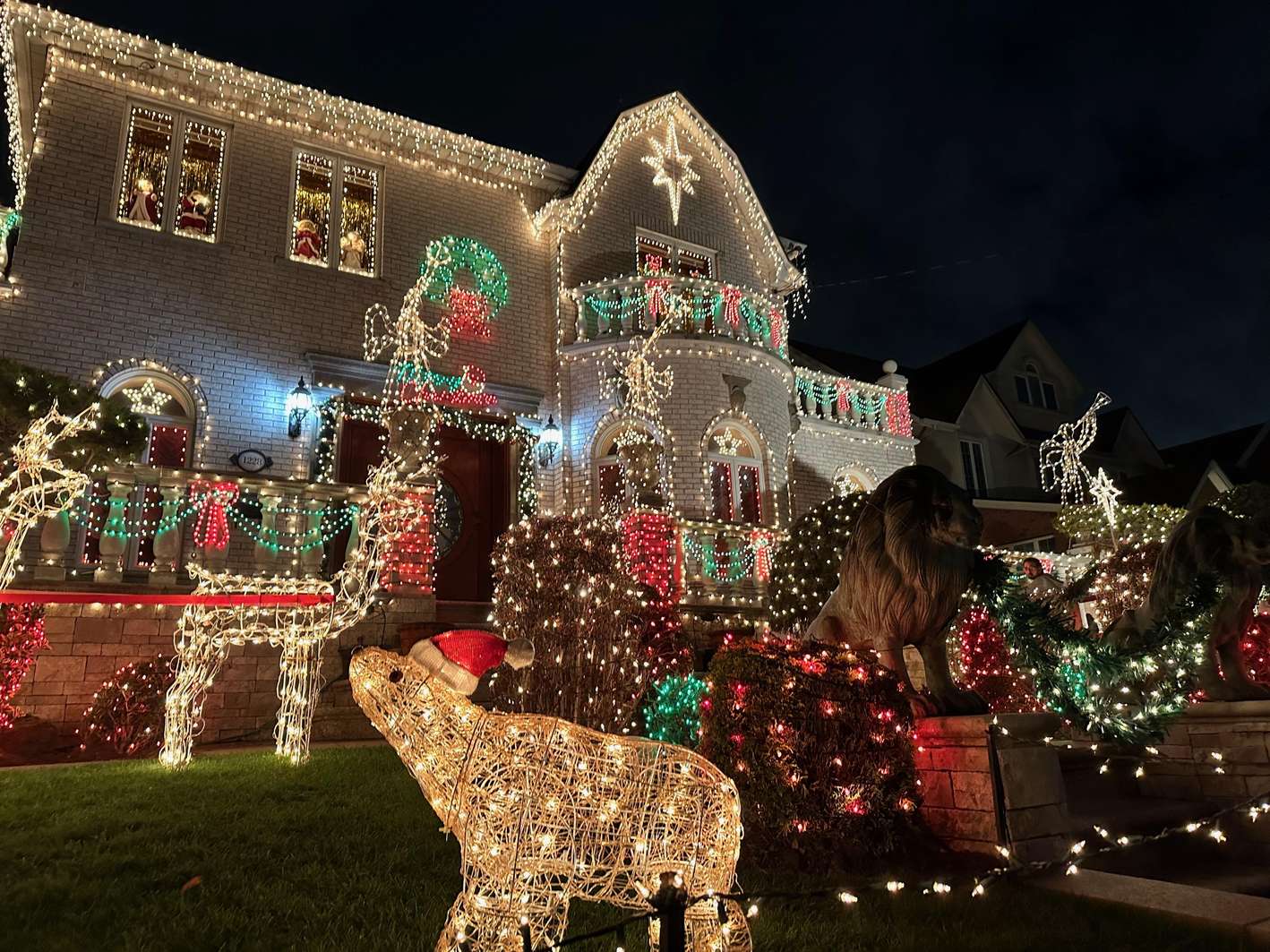
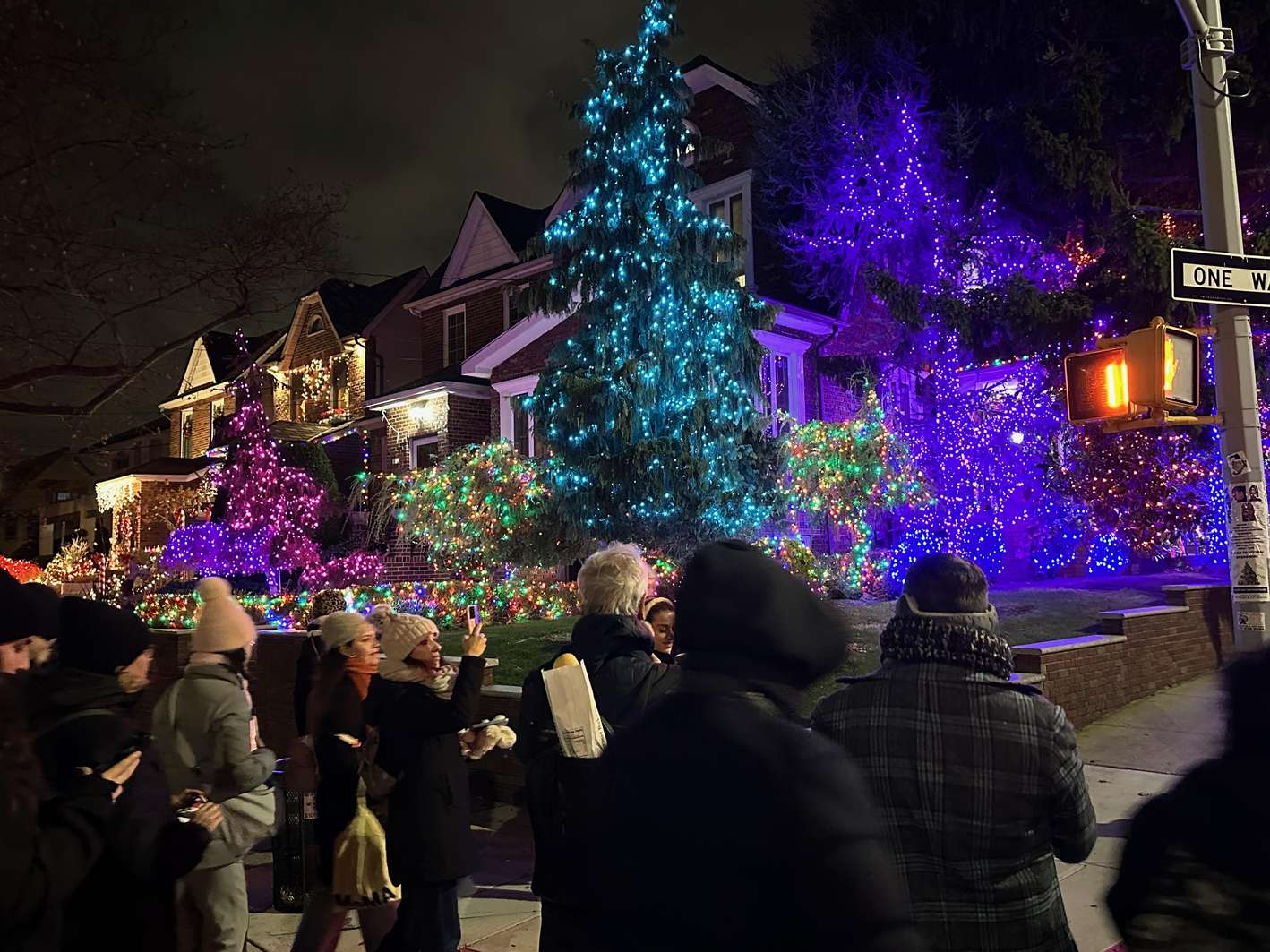
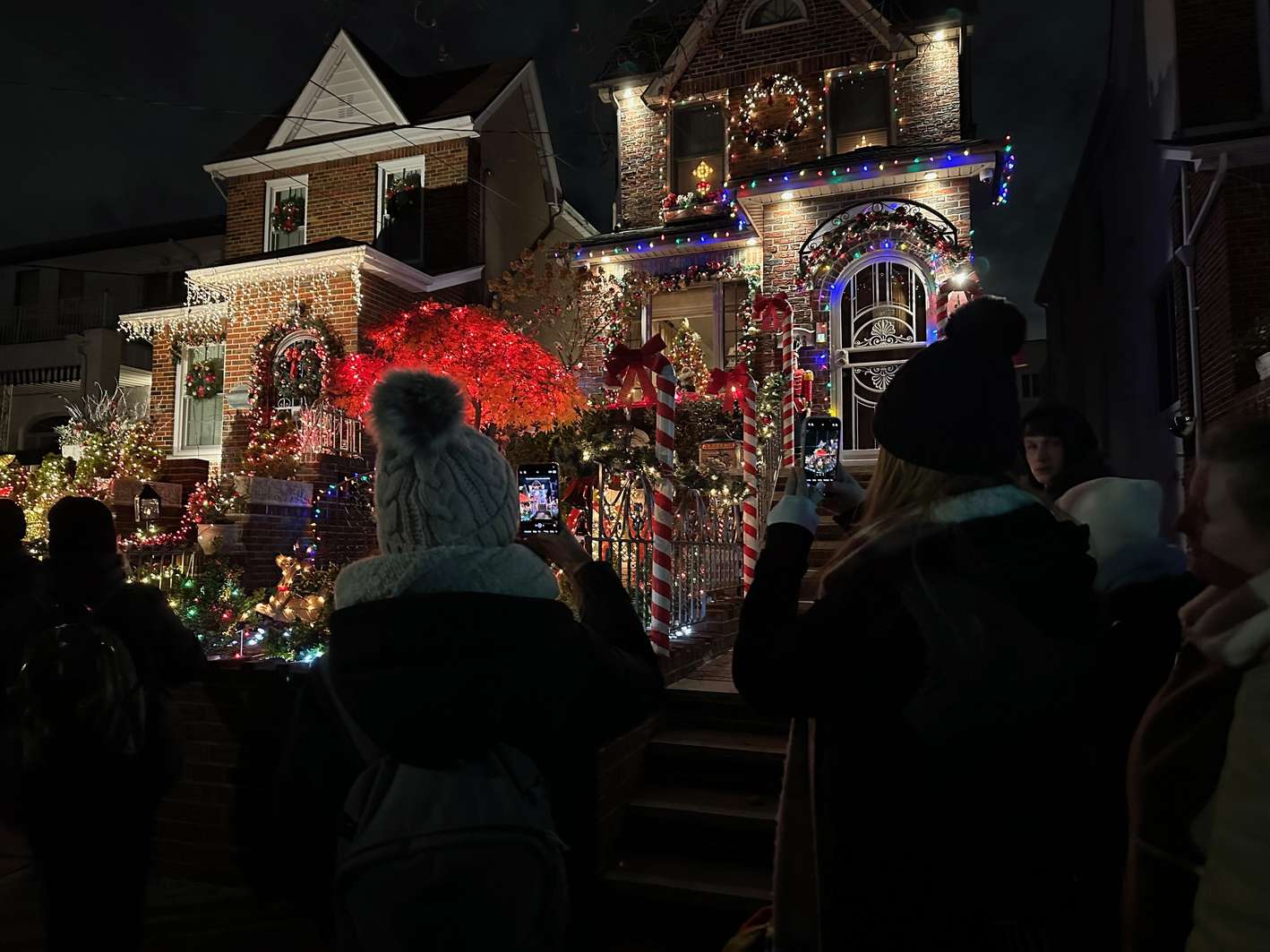
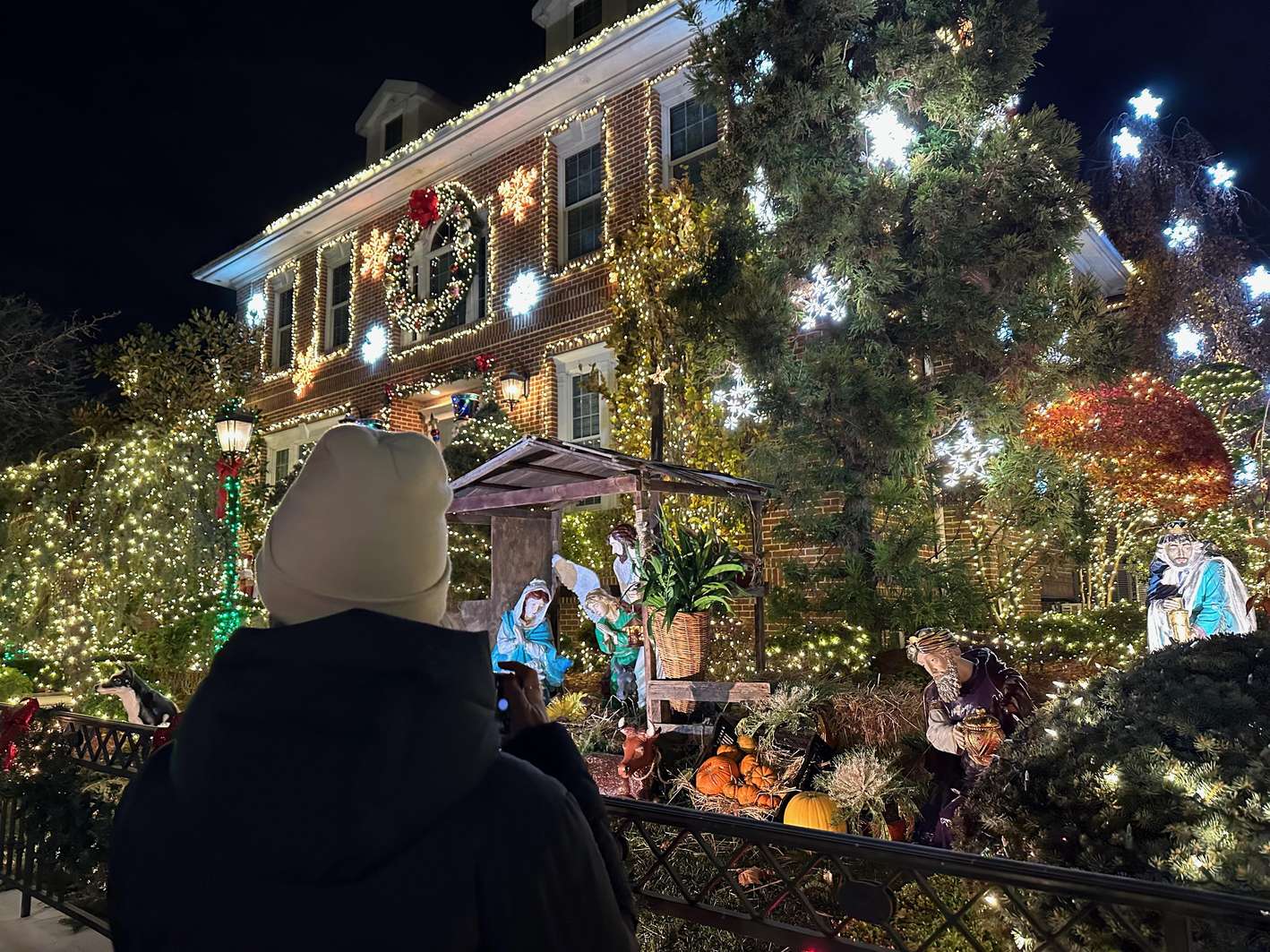




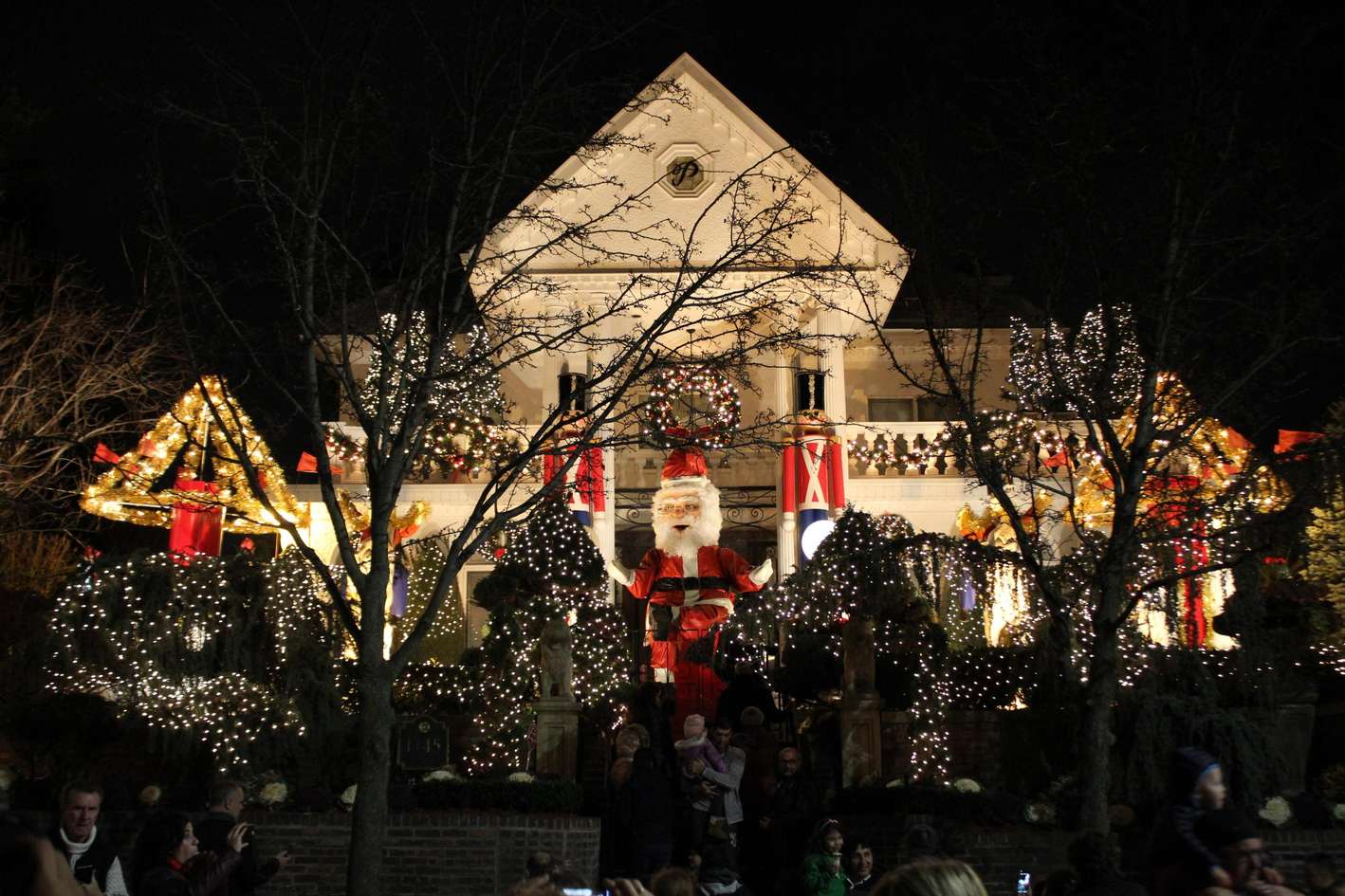


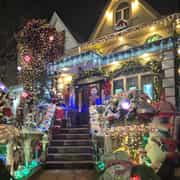
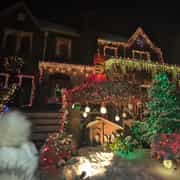
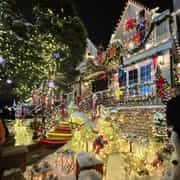
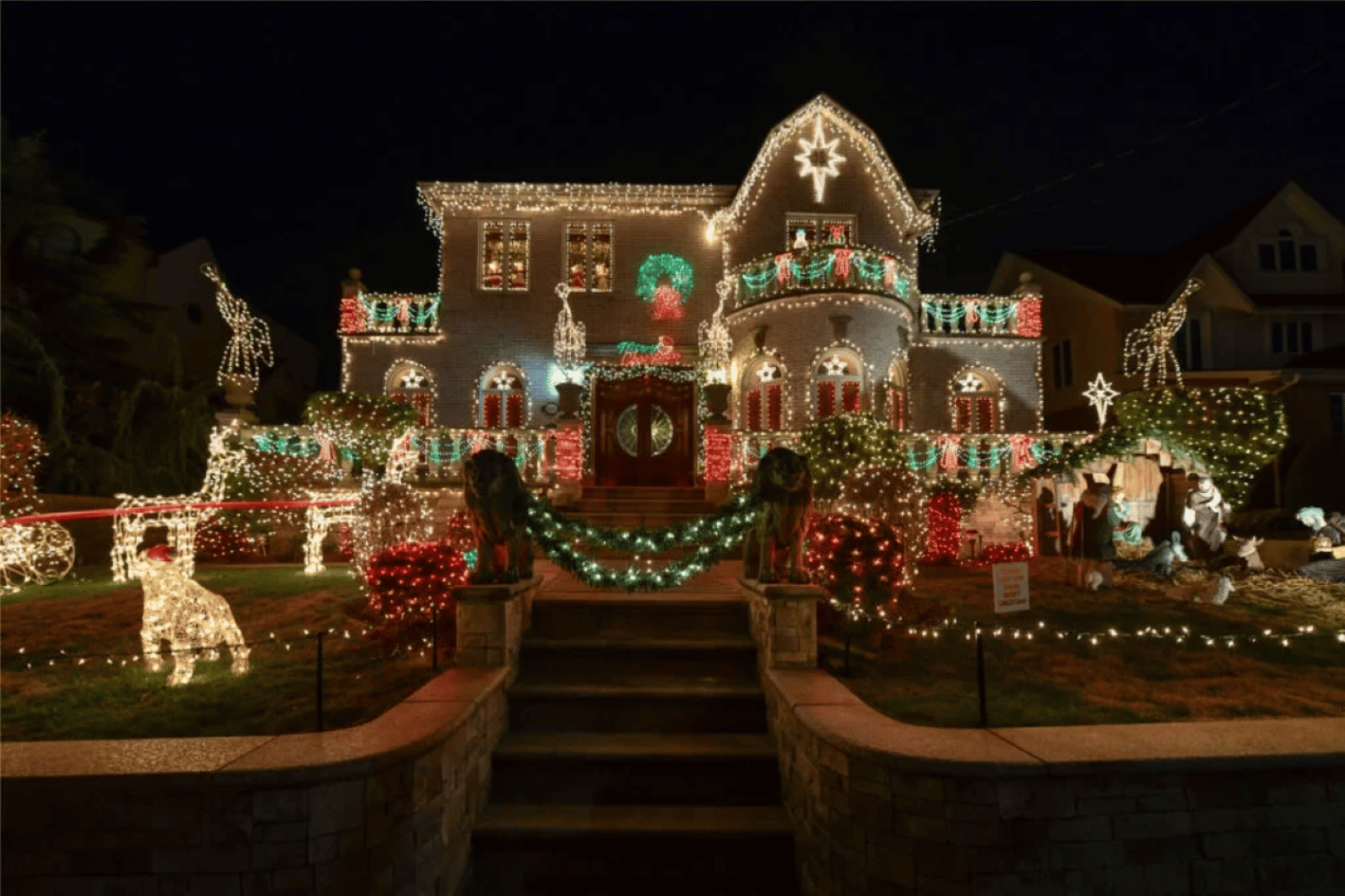
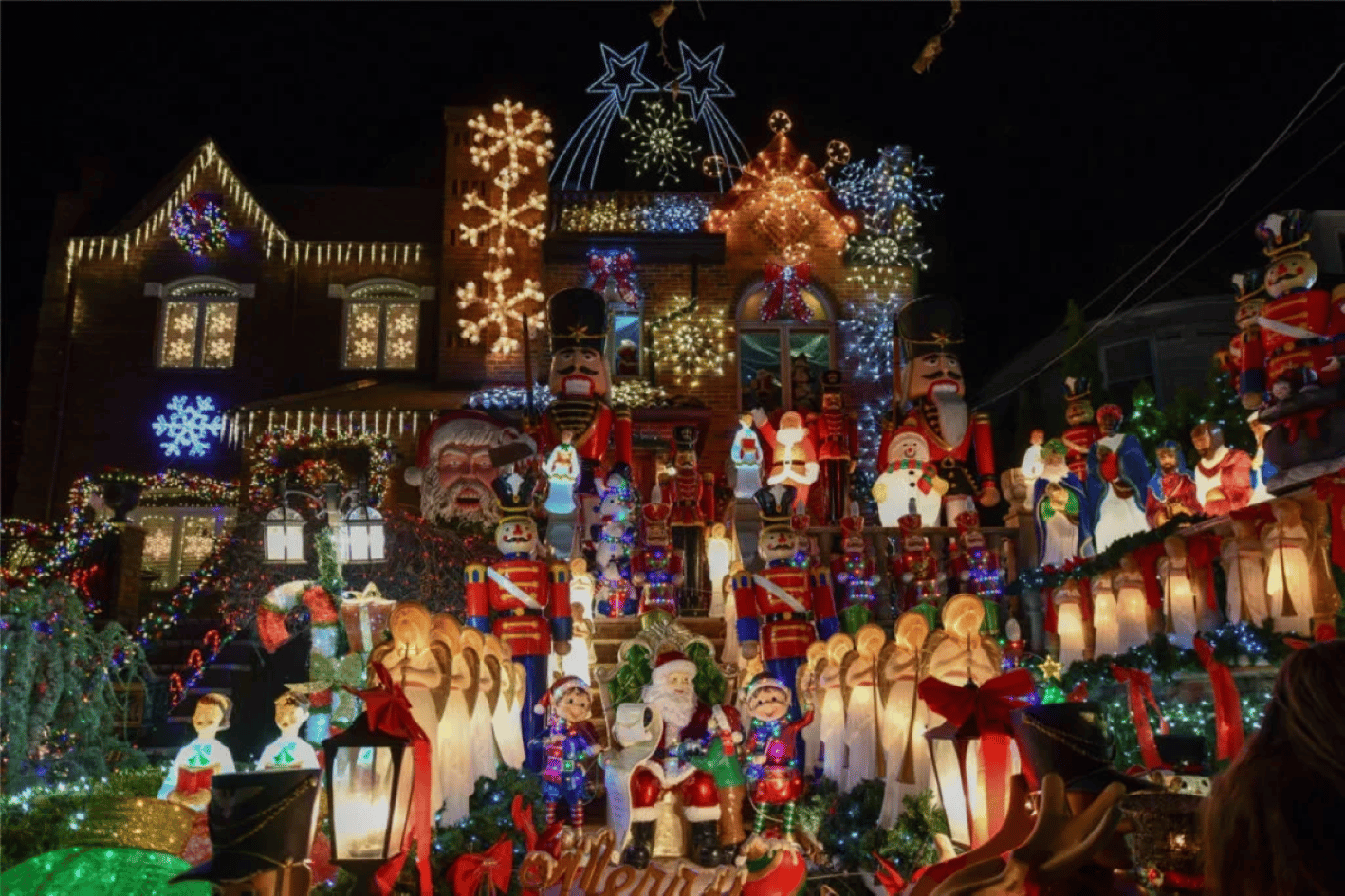
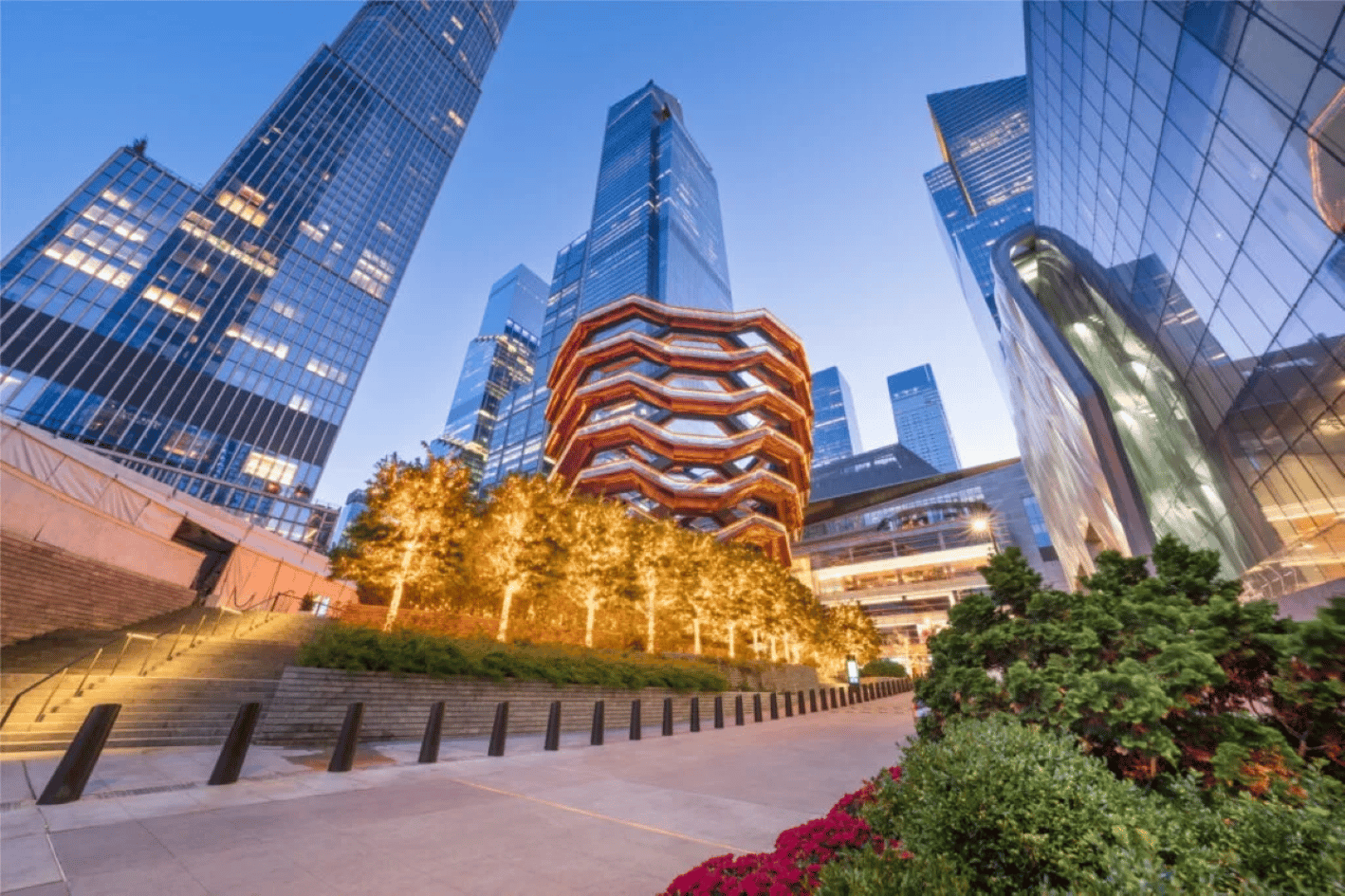
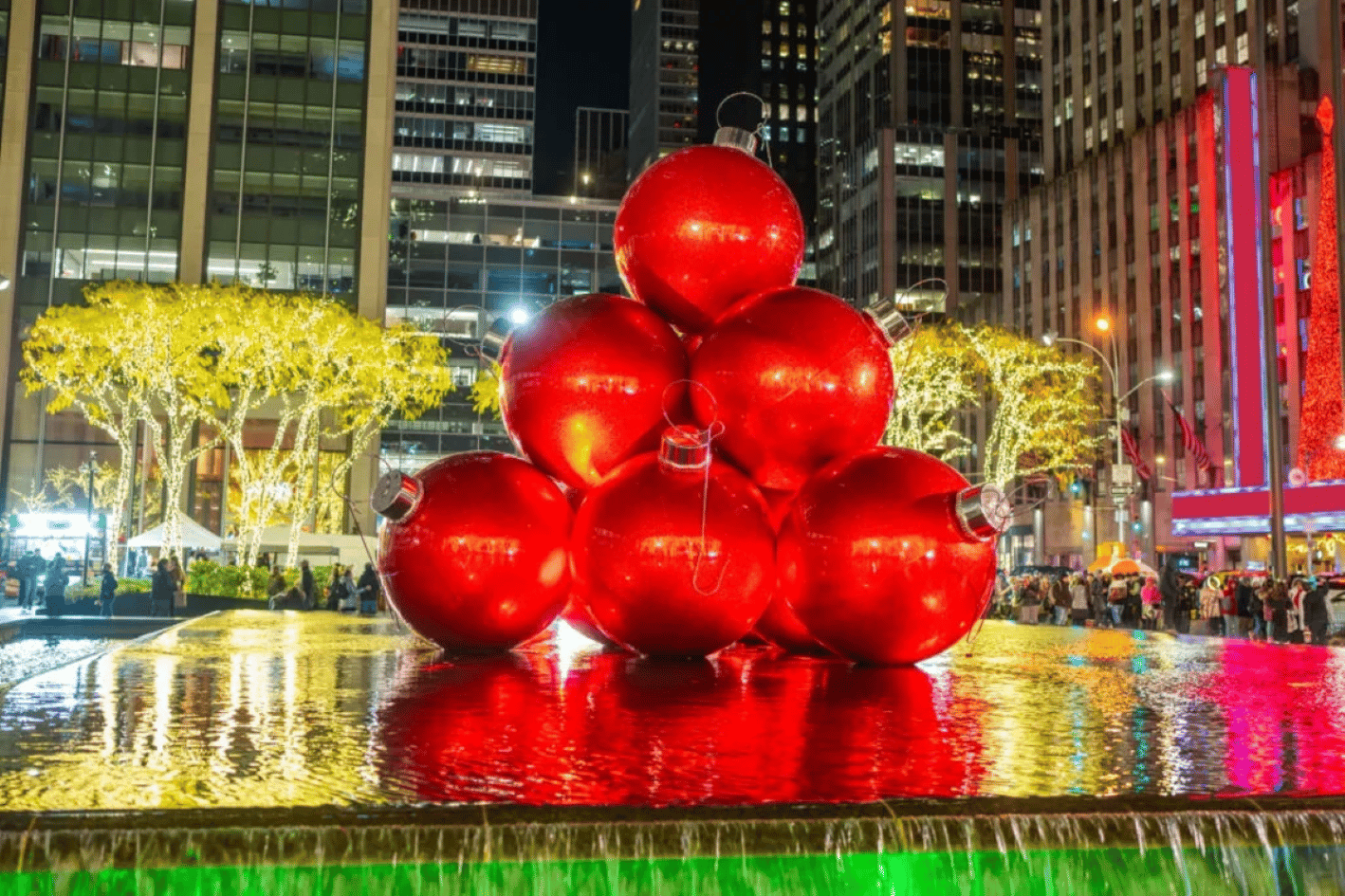
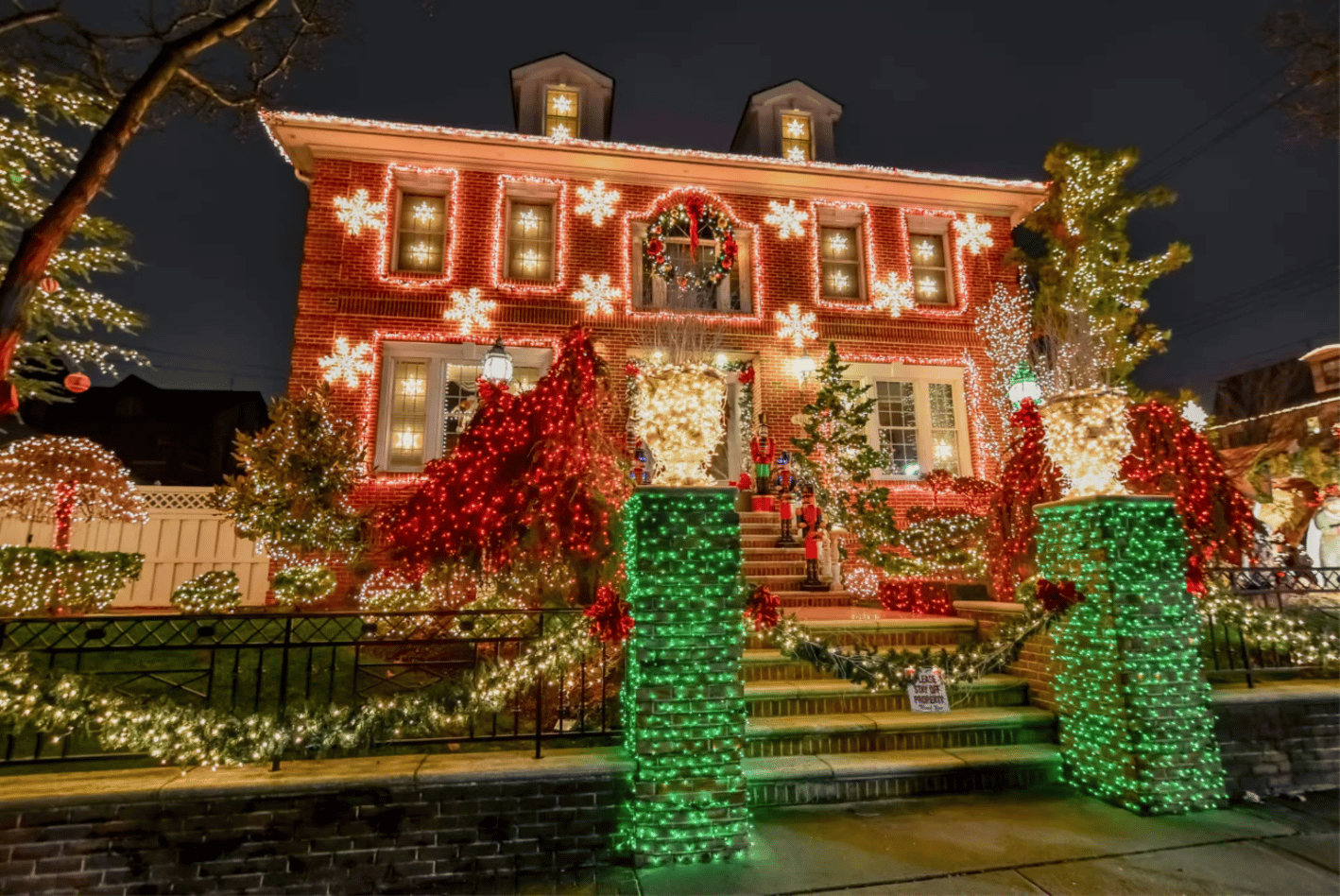


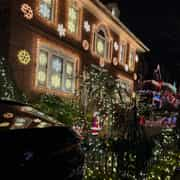
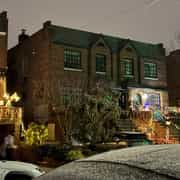
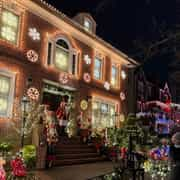


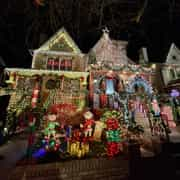
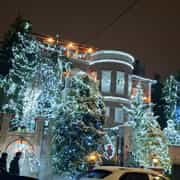
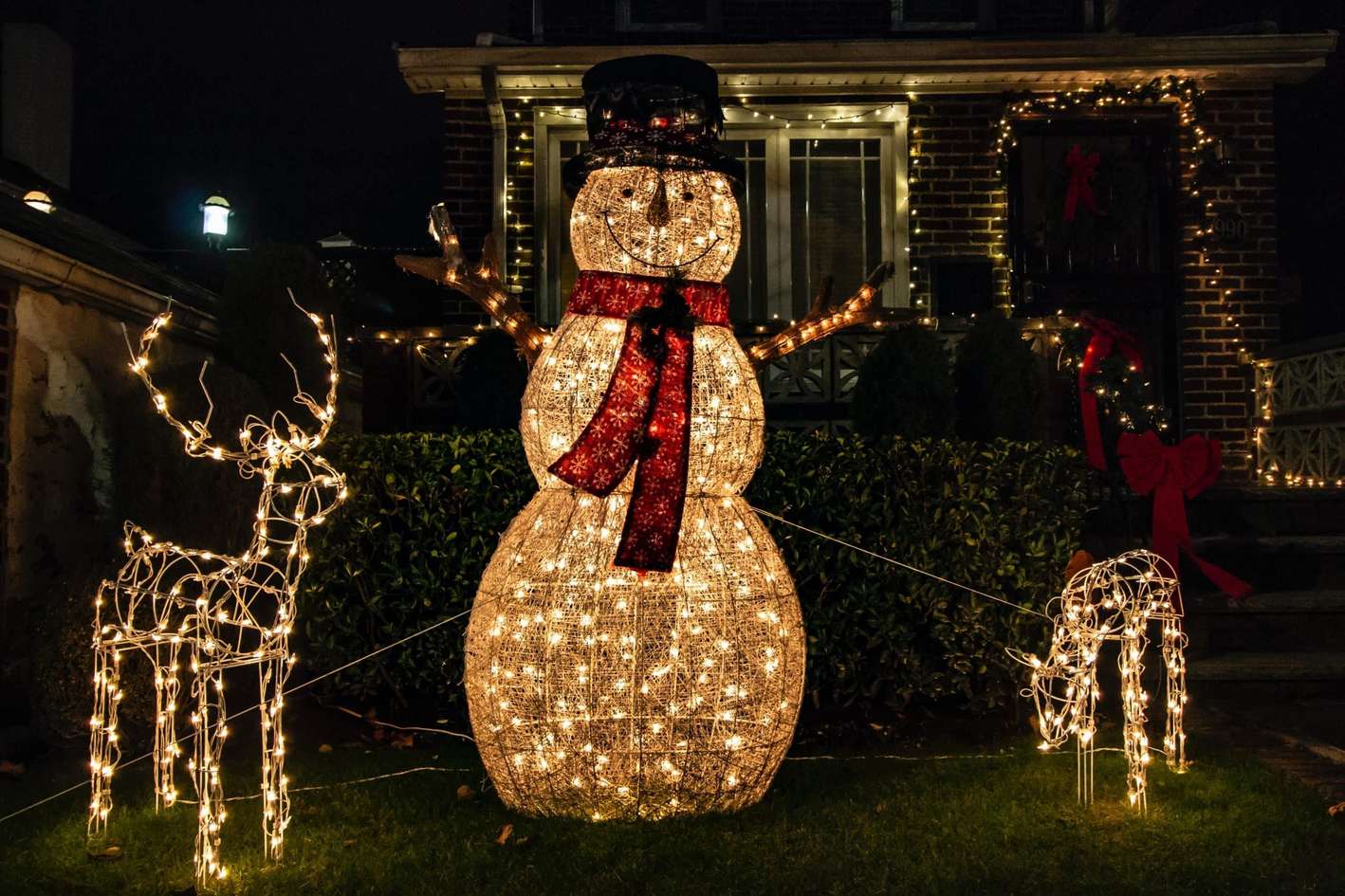
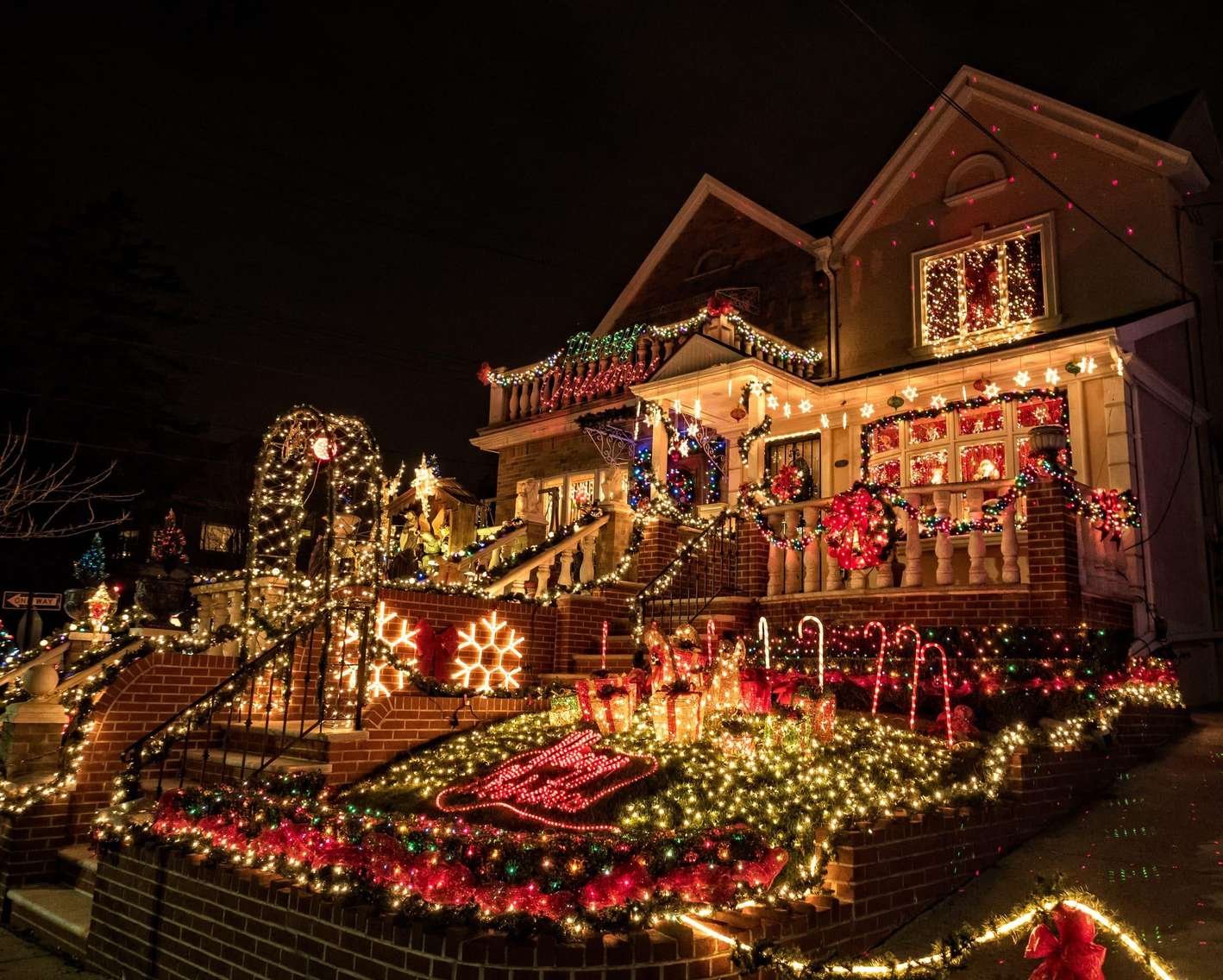
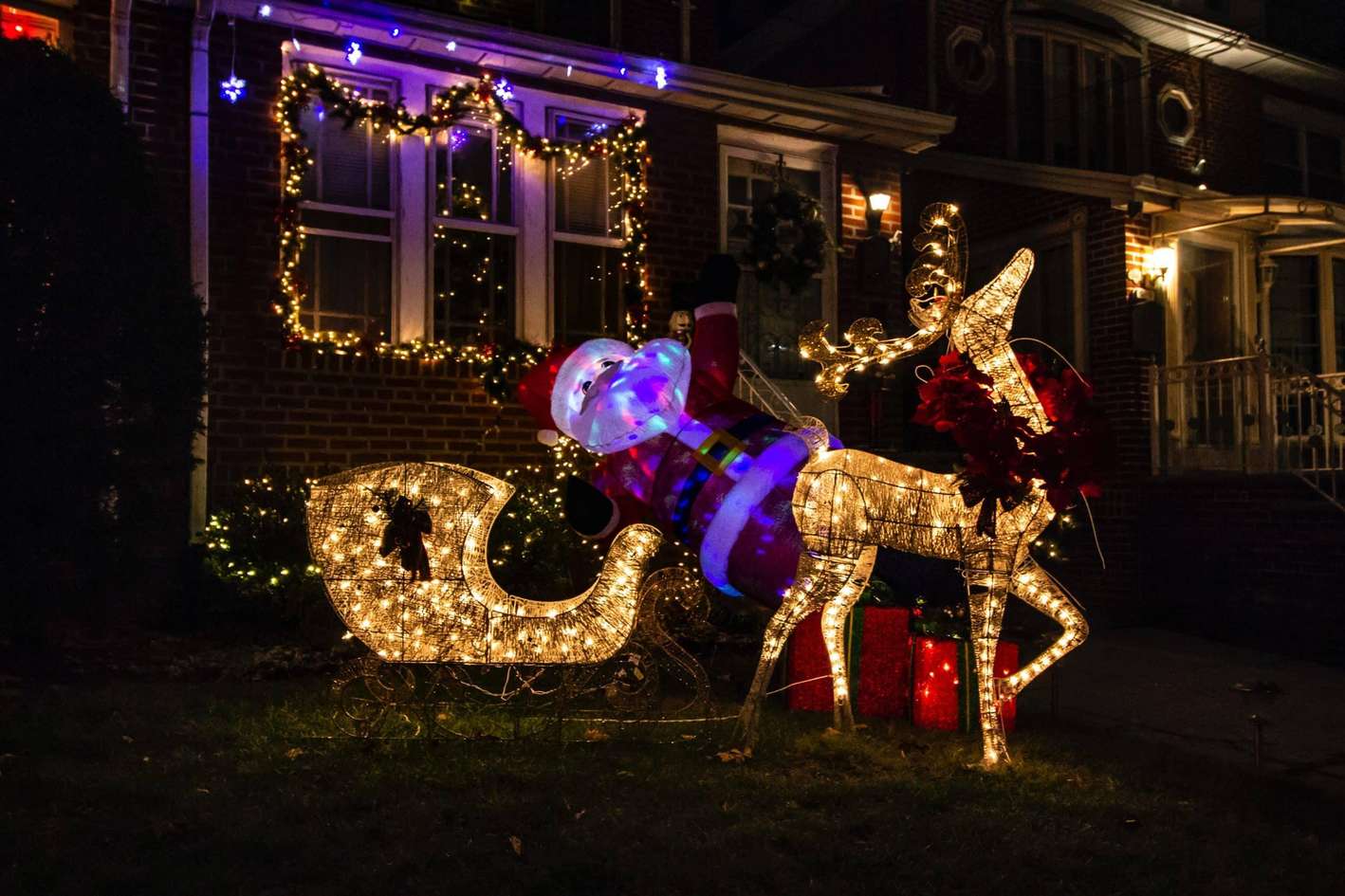
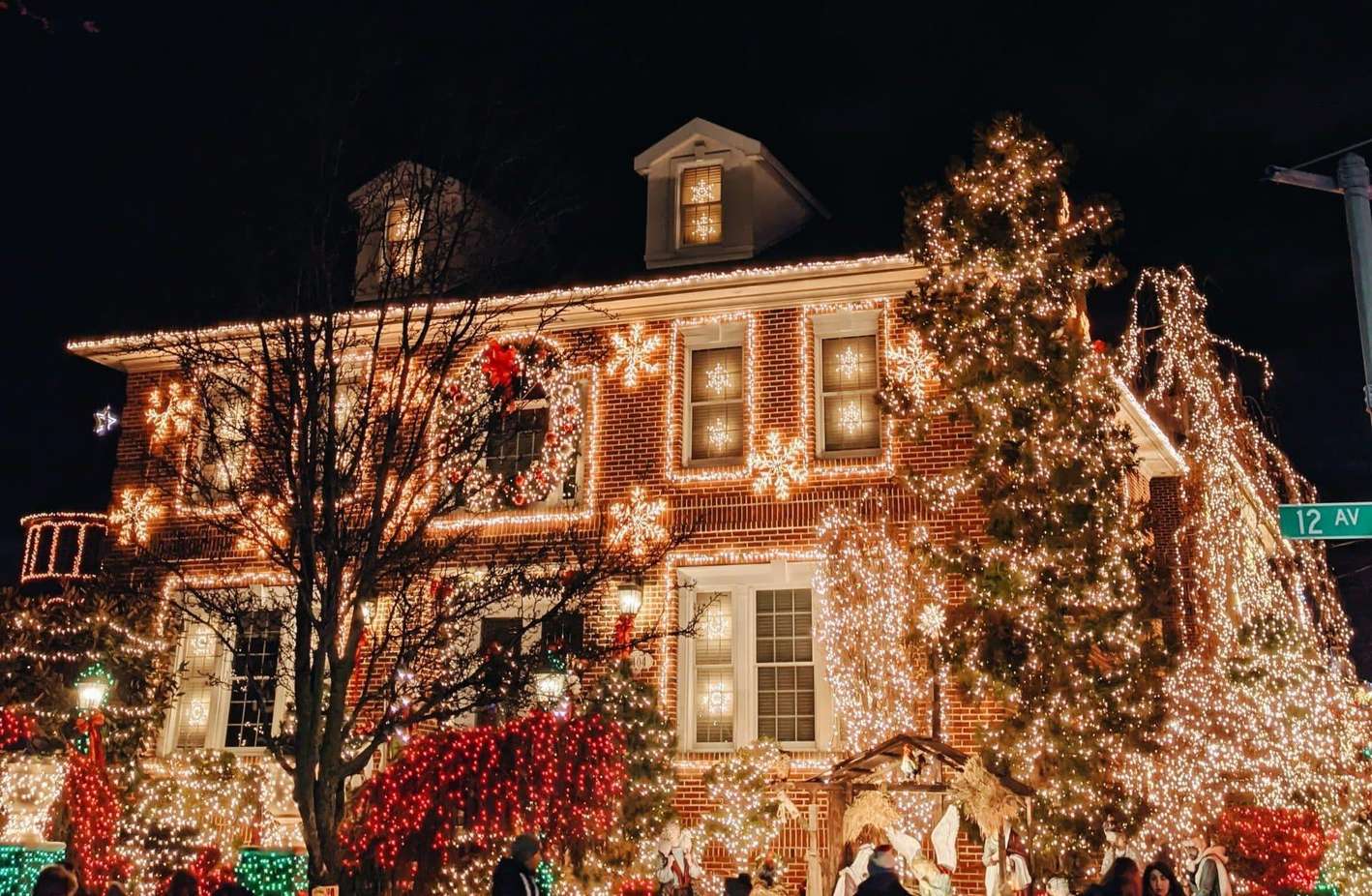
Dyker Heights sits deep in southern Brooklyn, about 22 km from Times Square. A car covers that in around 44 minutes without traffic, and the subway takes 45 to 60 minutes, but neither drops you at the displays.
What decides the way is the last stretch and the cold. No train reaches the light blocks, so every subway trip ends with a 15-to-20-minute walk from the 86th Street or 79th Street station. Driving brings gridlock, closed blocks and parking that is nearly impossible on the decorated streets.
A direct tour bus skips both problems: it leaves from Midtown, rides past the walk in a heated coach and drops you near the houses. The trade is a fixed schedule and a longer day than the subway, in exchange for a warm seat both ways.
211 West 43rd St
Walk (1 hour)
211 West 43rd St
211 West 43rd St
Walk, Scenic views on the way (3.5 hours)
211 West 43rd St
Junior's Restaurant and Bakery
Break time, Photo stop, Sunset, Scenic views on the way (15 minutes)
Visit, Guided tour, Walk (1 hour)
Photo stop, Sightseeing, Scenic views on the way (15 minutes)
Bus tour, Scenic drive, Scenic views on the way (30 minutes)
Bryant Park
Most Dyker Heights homeowners switch off their Christmas lights between 9 pm and 10 pm, so arriving late in the evening means walking past houses that have already gone dark.
Plan to be on the blocks by dusk or early evening, when every display is lit and the sidewalks are at their best. If you end up arriving after 9 pm, expect lighter crowds but fewer lit houses, and head for the core streets between 11th and 13th Avenues first before more displays shut down for the night.
Dyker Heights is not a venue with a box office.
It is a stretch of ordinary Brooklyn streets where more than a hundred homes compete each December with tens of thousands of lights, and the closest subway stop still leaves you the better part of a mile short of the best blocks. That last mile shapes the whole outing.
The trip from Midtown costs the same on the clock whichever way you go: about 45 minutes to an hour door to door. Driving covers its 30-to-40-minute run without traffic, but December congestion regularly stretches it past an hour, which is how every option lands near the same door-to-door time once winter is priced in.
What separates the options is whether the final stretch happens on foot in the cold, whether you circle for parking, and who brings you home.
Read the two routes side by side and the pattern shows: the car wins on paper and loses the moment weekend traffic pours down into Brooklyn, while the subway keeps its hour steady and saves its surprise for the walk at the far end.
Two train routes do the job without a transfer. The local R runs straight from Times Square, 42nd Street to 86th Street in Bay Ridge, a 50-to-60-minute ride, and leaves you an 18-minute walk east along 86th Street toward 11th and 12th Avenues.
The faster D runs express from 42nd Street, Bryant Park, one avenue east, to 79th Street in 45 to 55 minutes, then a walk west along 79th and south on 11th or 12th, about 20 minutes by the straightest route to the core displays at 84th Street.
Both lines run direct, and one train, one walk matters more than the minutes the express saves: no platform change, no transfer gamble. Pay by tapping a contactless card or phone at the turnstile; there is no tap-out on the way through.
Walking from Manhattan is off the table, and the two trains finish within ten minutes of each other, so the real choice is which walk you prefer at the Brooklyn end.
Whichever station you exit, the displays between 83rd and 86th Streets stay a substantial walk away, and that walk is the next thing to plan for.
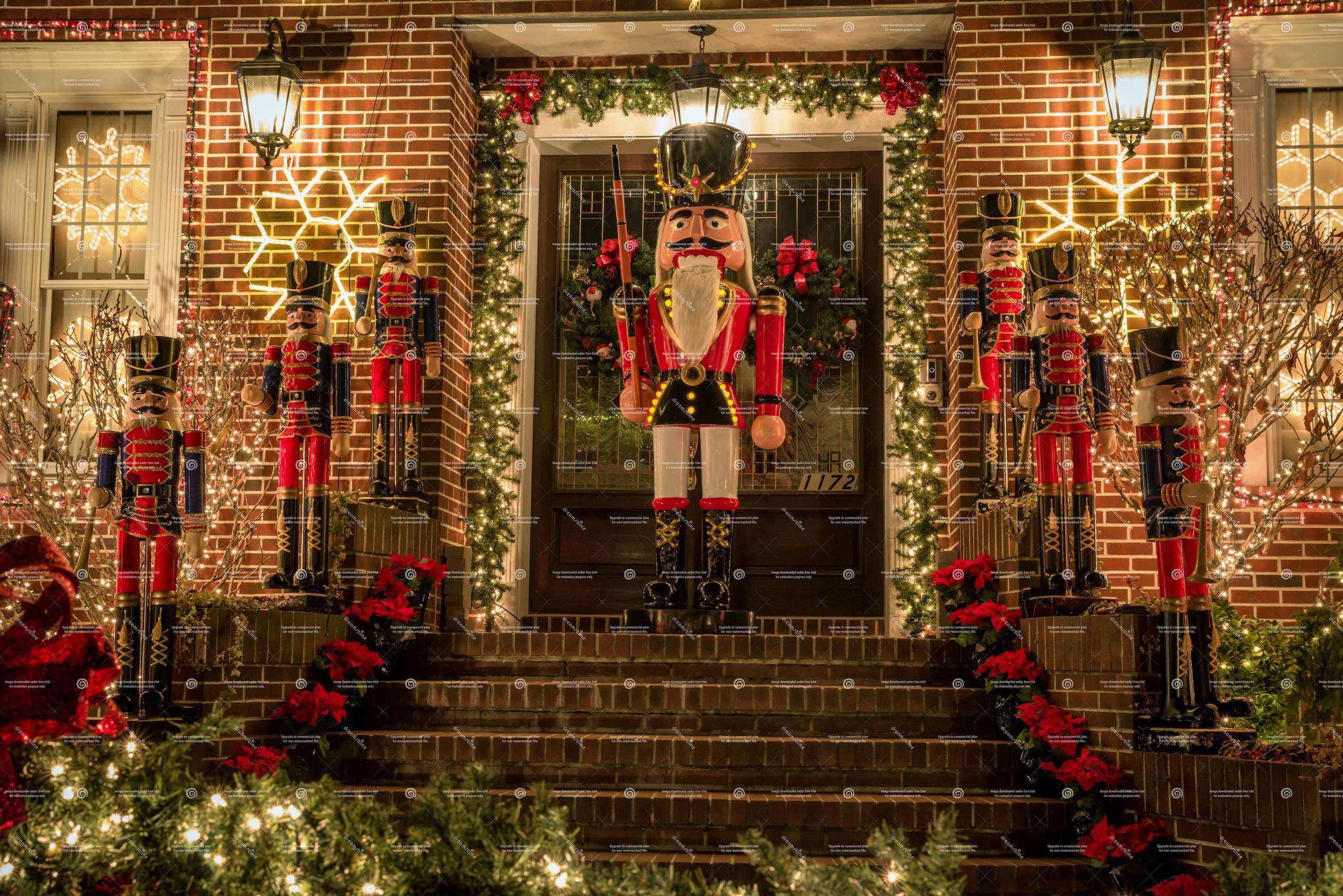
The last leg is the one people underestimate. From either station the route runs close to a mile through quiet residential blocks, 15 to 25 minutes depending on pace, before the first display appears.
The streets between transit and the lights are safe after dark; December brings heavy foot traffic and a police presence around the decorated blocks themselves.
Cold is the real variable. Brooklyn evenings in December sit near freezing, between 25 and 40 degrees, and the outing means standing as well as walking.
Layers are the working kit: a thermal base layer, an insulated coat, a hat, a scarf and insulated gloves, with flat weatherproof shoes or boots and thick wool socks against the cold concrete.
Use a restroom before you set out. Businesses along 4th Avenue and 86th Street in Bay Ridge, the Bay Ridge Library branch, and Tasty Pastry on 13th Avenue, open until 8 pm on Saturdays, are the last easy stops; the display blocks themselves have no public restrooms and nowhere to sit.
Nothing to improve, we thoroughly enjoyed it. Clean, comfortable transportation with a restroom for emergencies, a knowledgeable and interesting guide, incredible houses in Dyker Heights, and fantastic photo spots including Dumbo. Thank you!
"Dress warmly in layers. The walking part is long and it is freezing."
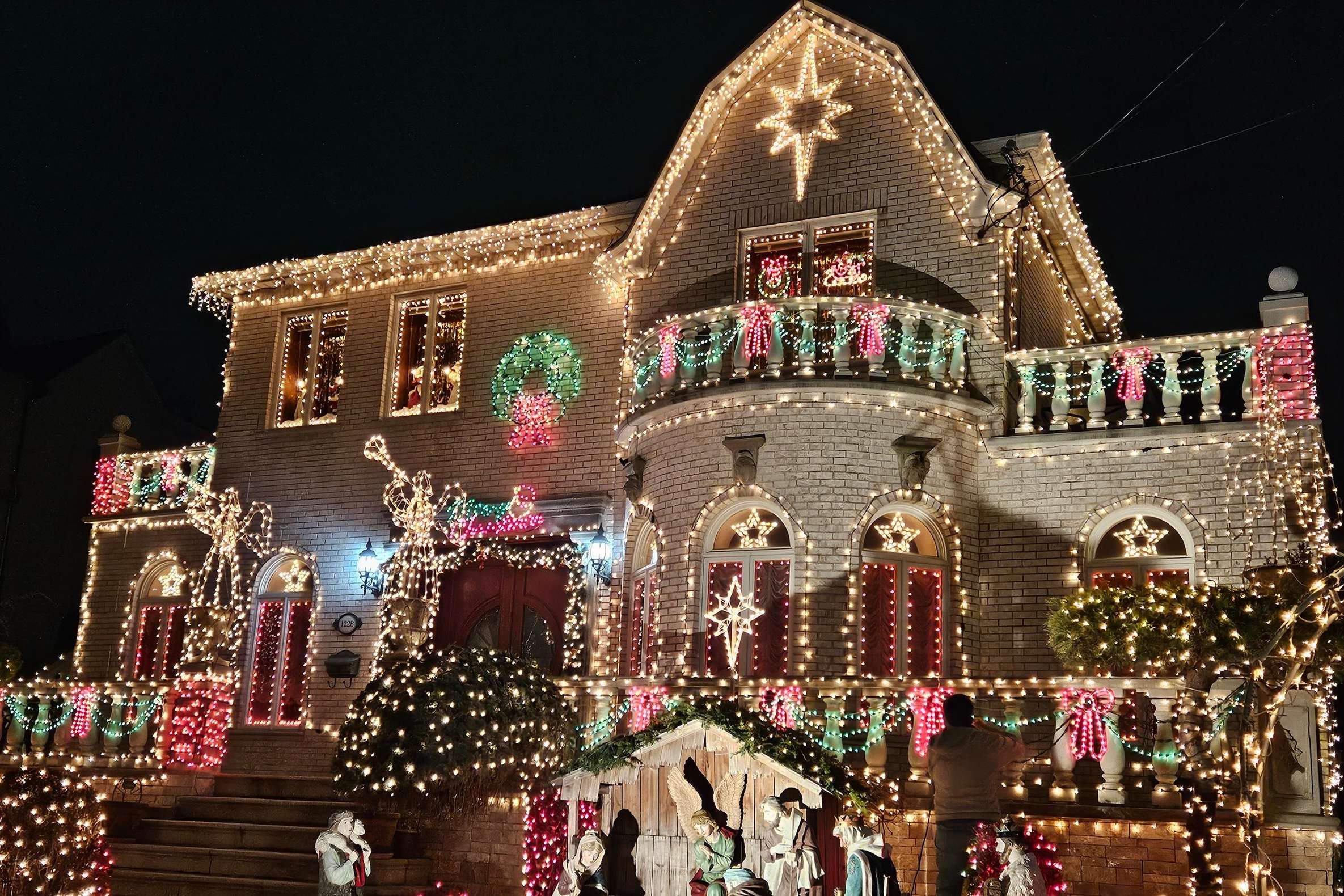
Driving looks easy on a map and less so from behind the wheel.
The Gowanus Expressway backs up on December evenings where the Battery Tunnel merge and the interchanges near the Prospect Expressway stack up; gridlock spills off Exit 19 at 86th Street straight onto local streets. A 30-to-40-minute run without traffic regularly stretches past an hour.
Parking is its own hunt. The festive blocks themselves are effectively full, so drivers fall back to 13th or 14th Avenues, where metered spaces run until 7 pm and a free residential strip sits along 14th. That puts you several blocks from the displays, which is the workable compromise.
On peak evenings several blocks close to through traffic altogether, and police move cars along if drivers stop in front of the best houses. Driving through works early in December on quiet weeknights. On a Saturday it means a slow crawl and a long walk from wherever you finally parked.
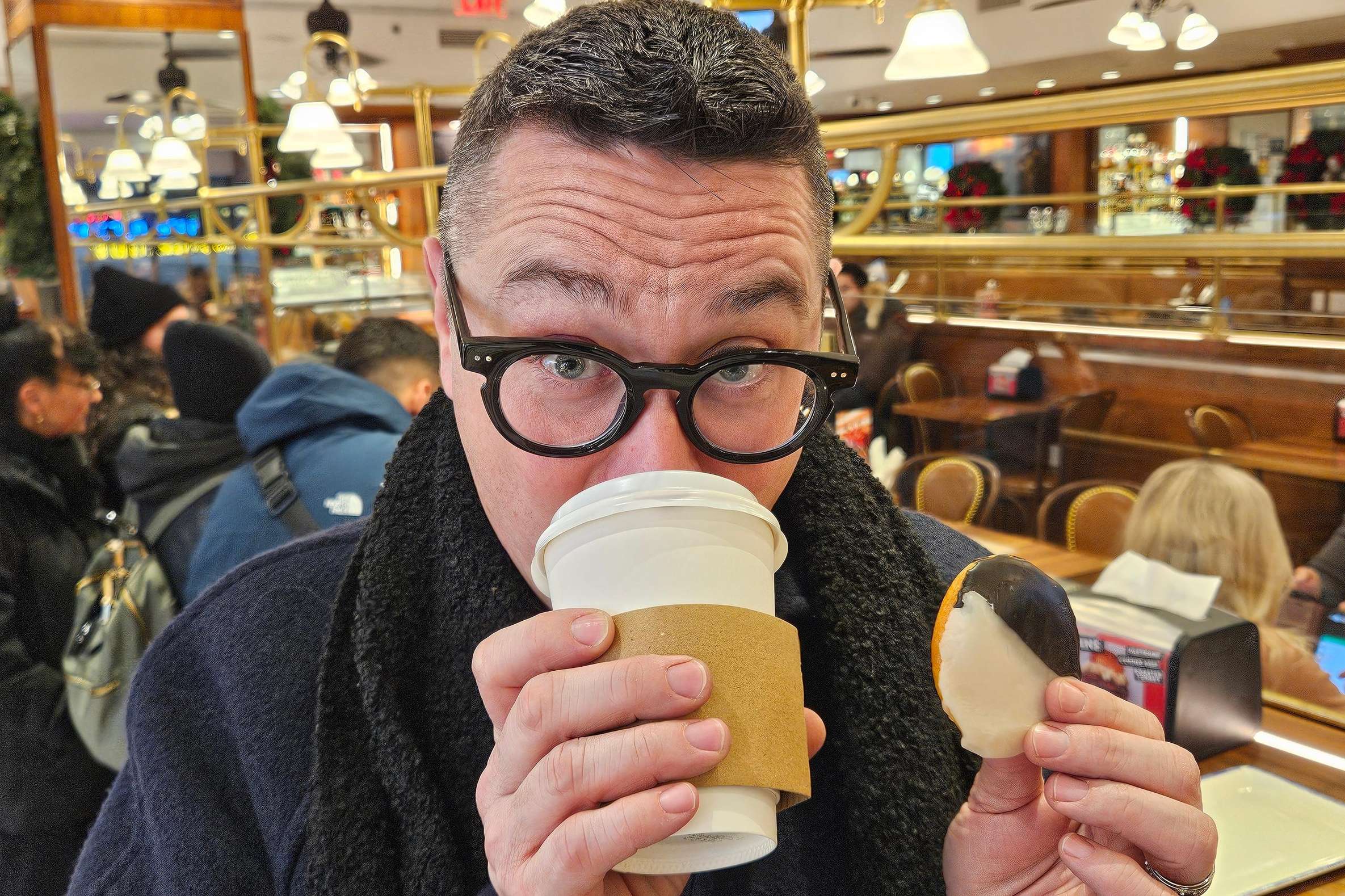
Past 9 pm the plan needs a return already in it.
Yellow cabs rarely cruise outer-borough residential streets, Dyker Heights has no taxi stands, and unmarked cars offering a ride should be passed over; licensed app pickups are the reliable route, and December is the neighborhood's busiest pickup month of the year, with prices that climb as demand does.
The subway keeps running. The D train runs around the clock, and late at night the R runs locally between Bay Ridge and Whitehall Street in Manhattan, so a train home exists whenever you finish.
Trains run on reduced schedules on major holidays; wait where you can be seen and ride in the middle of the train.
Two honest ways to beat the return: ride the subway out and split a rideshare back, which keeps costs down for a small group, or let a round-trip tour carry the whole evening.
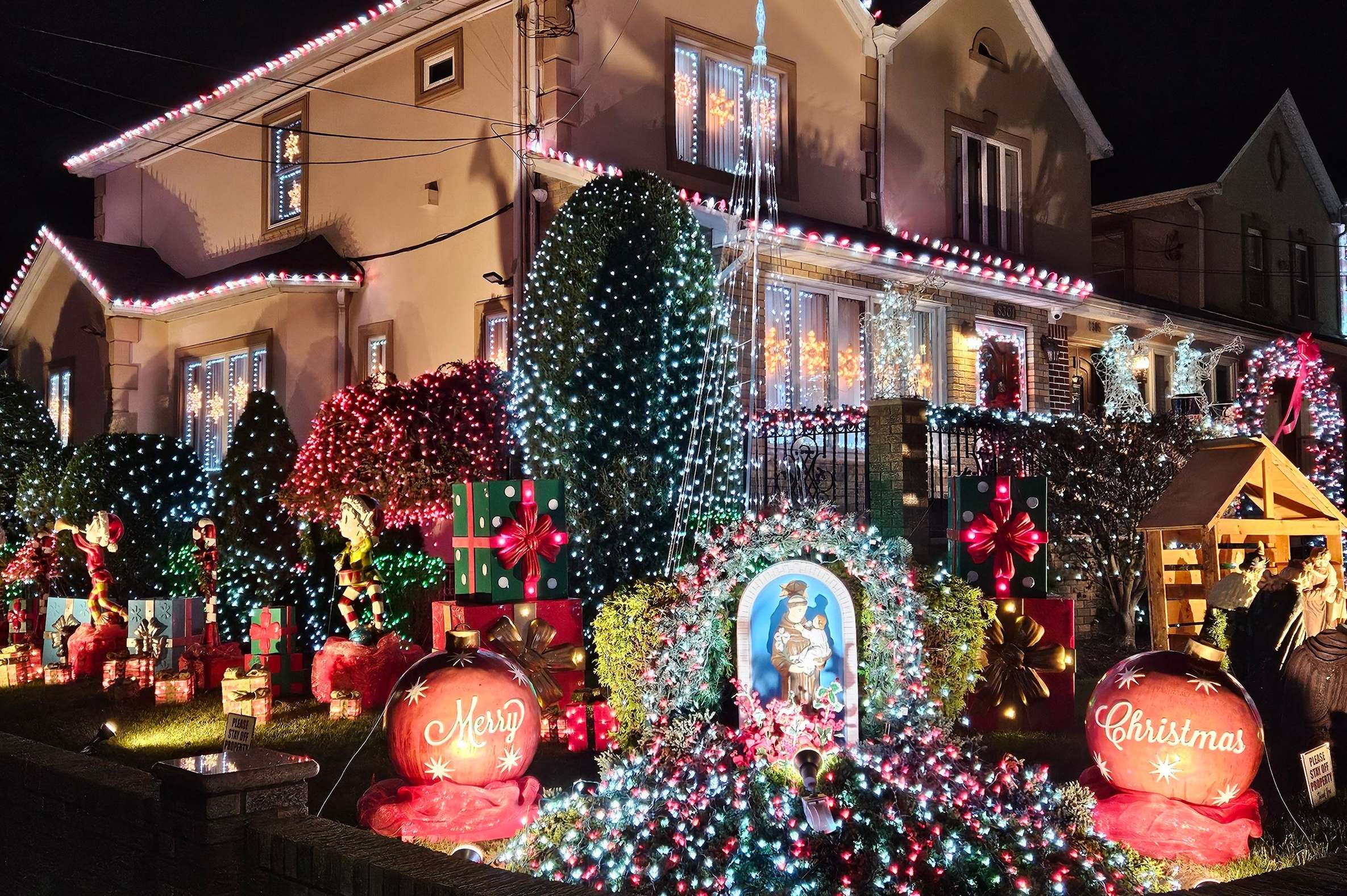
The simplest version of this trip starts where you already are. Tours board at a handful of Midtown meeting points within a few blocks of Times Square, among them Junior's Restaurant and Bakery at 49th Street and Broadway and spots near 7th Avenue and West 51st Street, then carry you south in a heated coach.
One of them, NYC at Night: 3.5 Hour Tour of Holiday Lights, adds a stop at Tasty's Bakery in Brooklyn before the walk.
The evening keeps the same shape across tours: check-in near Times Square, the ride across to Brooklyn, then about an hour on foot among the displays with a guide leading to the standout homes, and the coach back to Midtown.
Coaches park outside the display streets, since buses cannot enter them, so expect walking whatever you book.
Arrive early; the meeting spots sit close together
Heated interior, skyline views on the way
About an hour walking with your guide
Traffic can stretch the night past four hours
Book December weekend departures at least two weeks ahead. Food rules vary: most tours ban food and drink in the vehicle, a few supply cocoa and cookies, and one encourages you to bring your own cocoa and a cookie for the ride out.
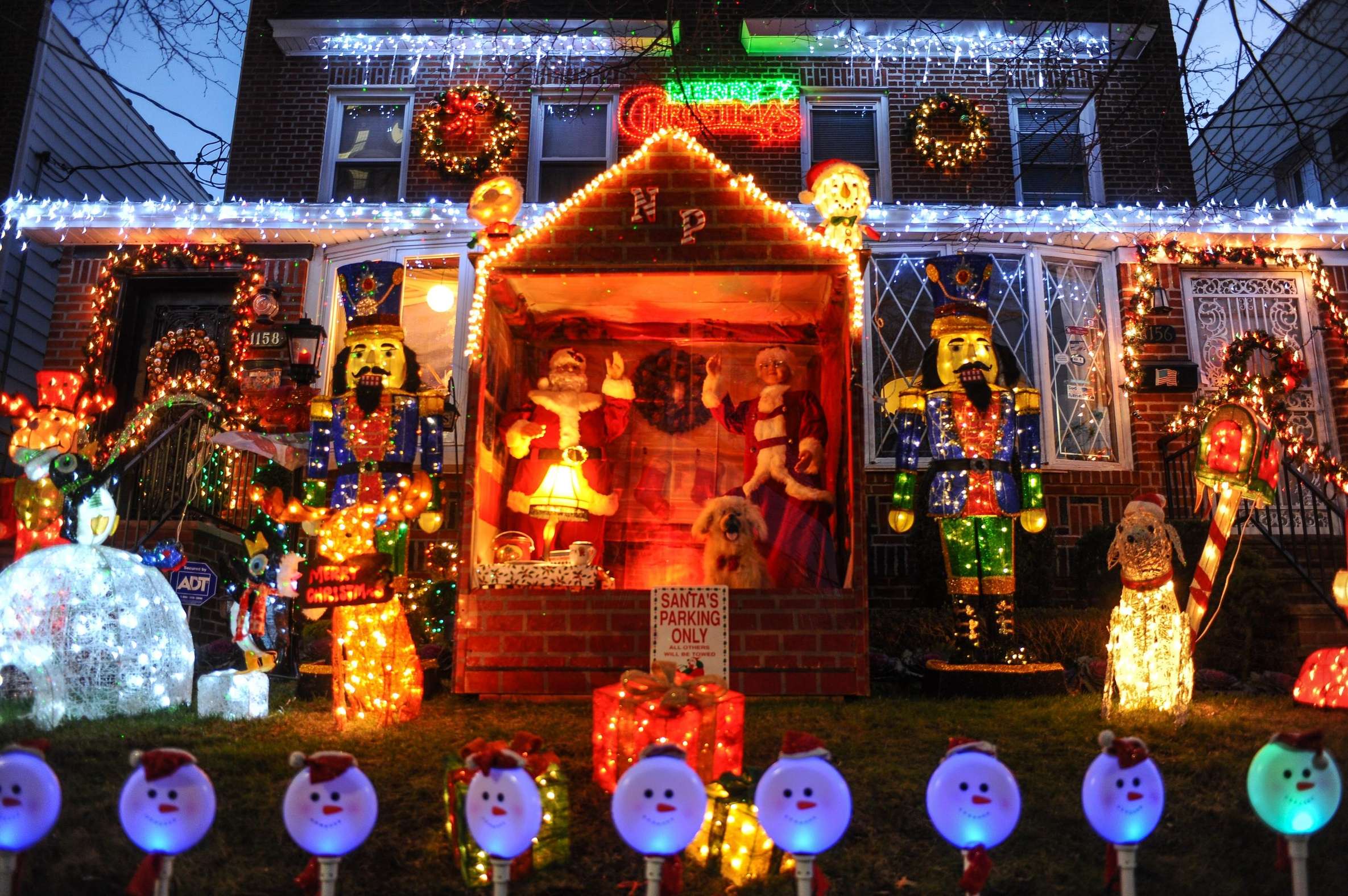
Head for the cluster between 11th and 13th Avenues and 83rd to 86th Streets; that is where the tradition lives.
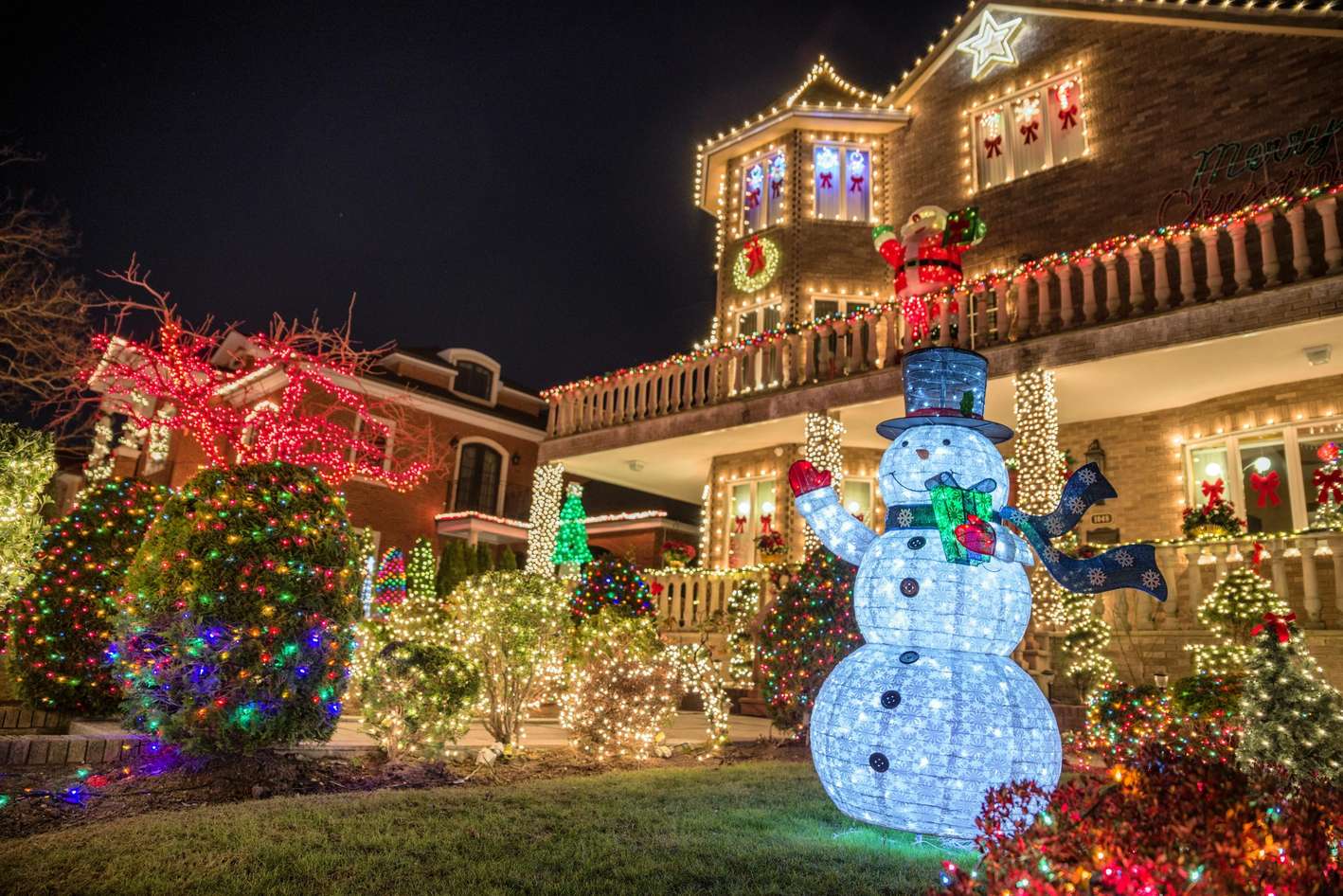
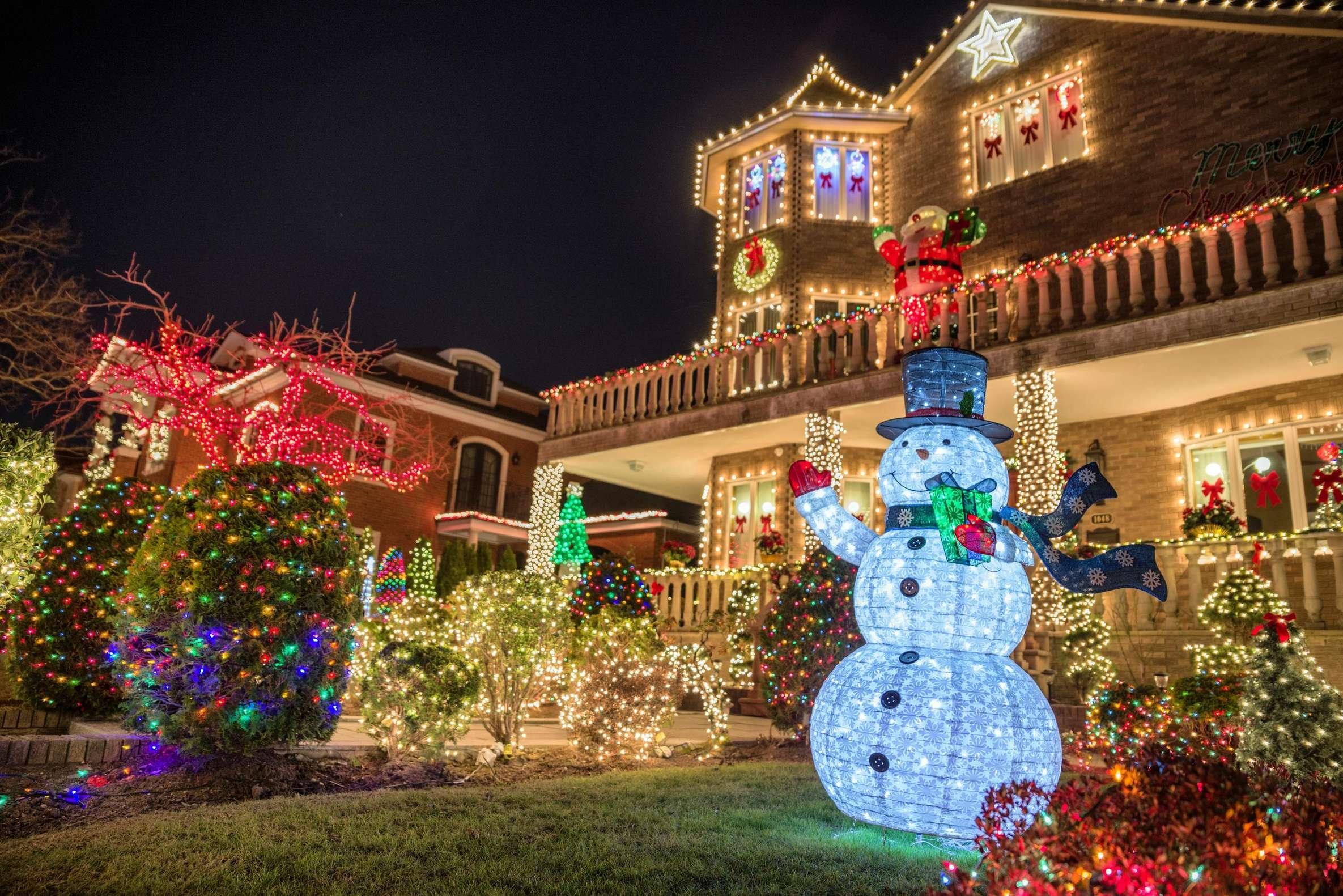
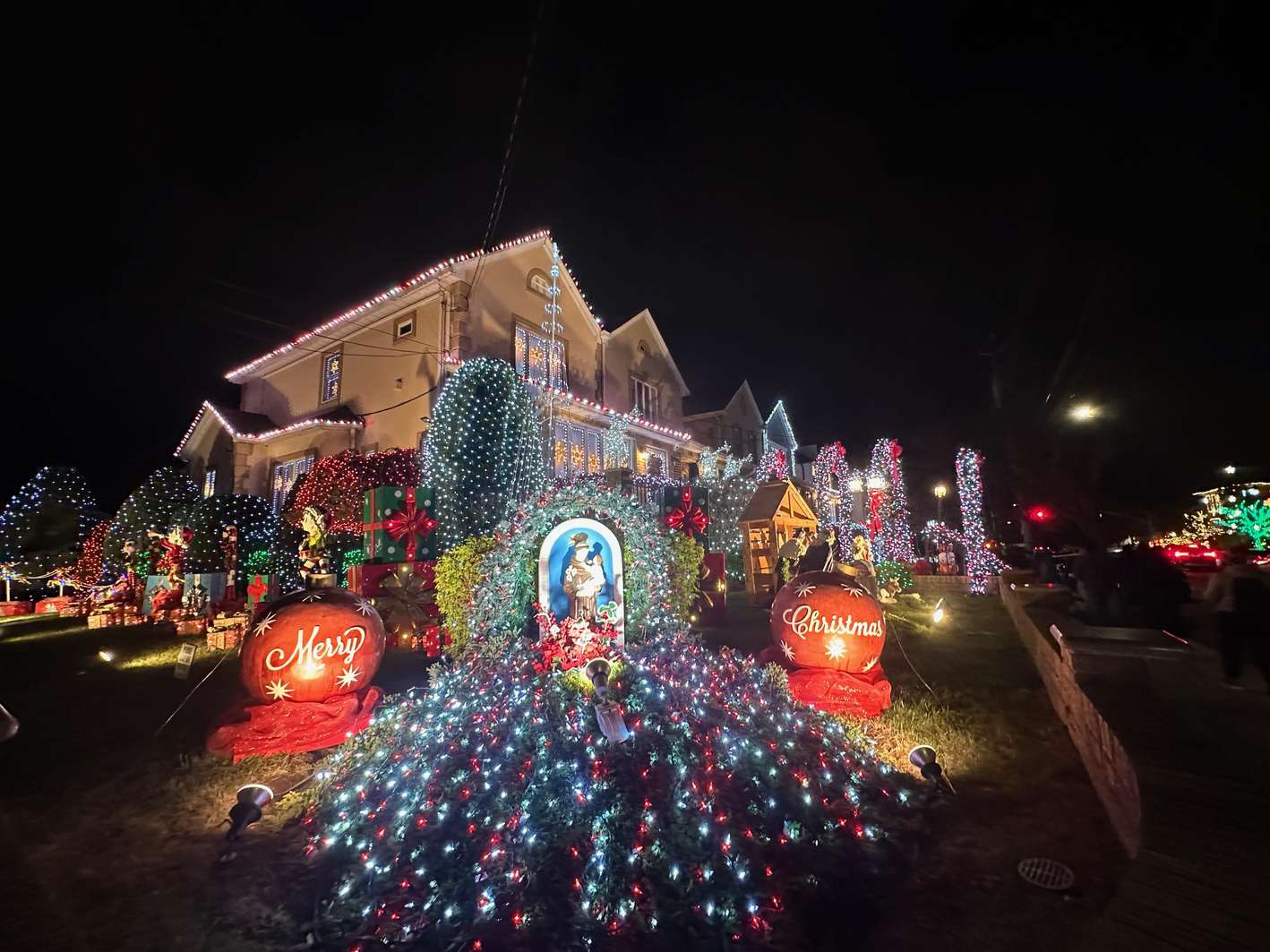
Lucy Spata's house at 1152 84th Street started it all in 1986, decorated each year with glowing angels in memory of her mother, and Florence Polizzotto's home at 1145 84th Street answers from nearly across the street with animatronic Santas and 30-foot nutcrackers.
The Forest of Lights at 1134 83rd Street wraps whole trees in color, and the Let It Snow House on 10th Avenue runs an actual snow machine.
An hour covers it comfortably; count on 45 to 60 minutes on foot. Admission costs nothing, since the lights stand on public residential streets, and several homeowners set out charity boxes and QR codes for donations.
You are walking the neighborhood, and its welcome depends on visitors behaving
Lucy Spata decorated for her mother, and neighbors copied her block by block
Collection boxes and QR codes sit right where the crowds gather
Etiquette keeps the tradition welcome: stay off lawns and driveways, keep voices down, photograph freely but respect privacy, and carry litter out with you.
None of it competes with the lights; treat the nearby list as padding for an early arrival or a warm-up stop.
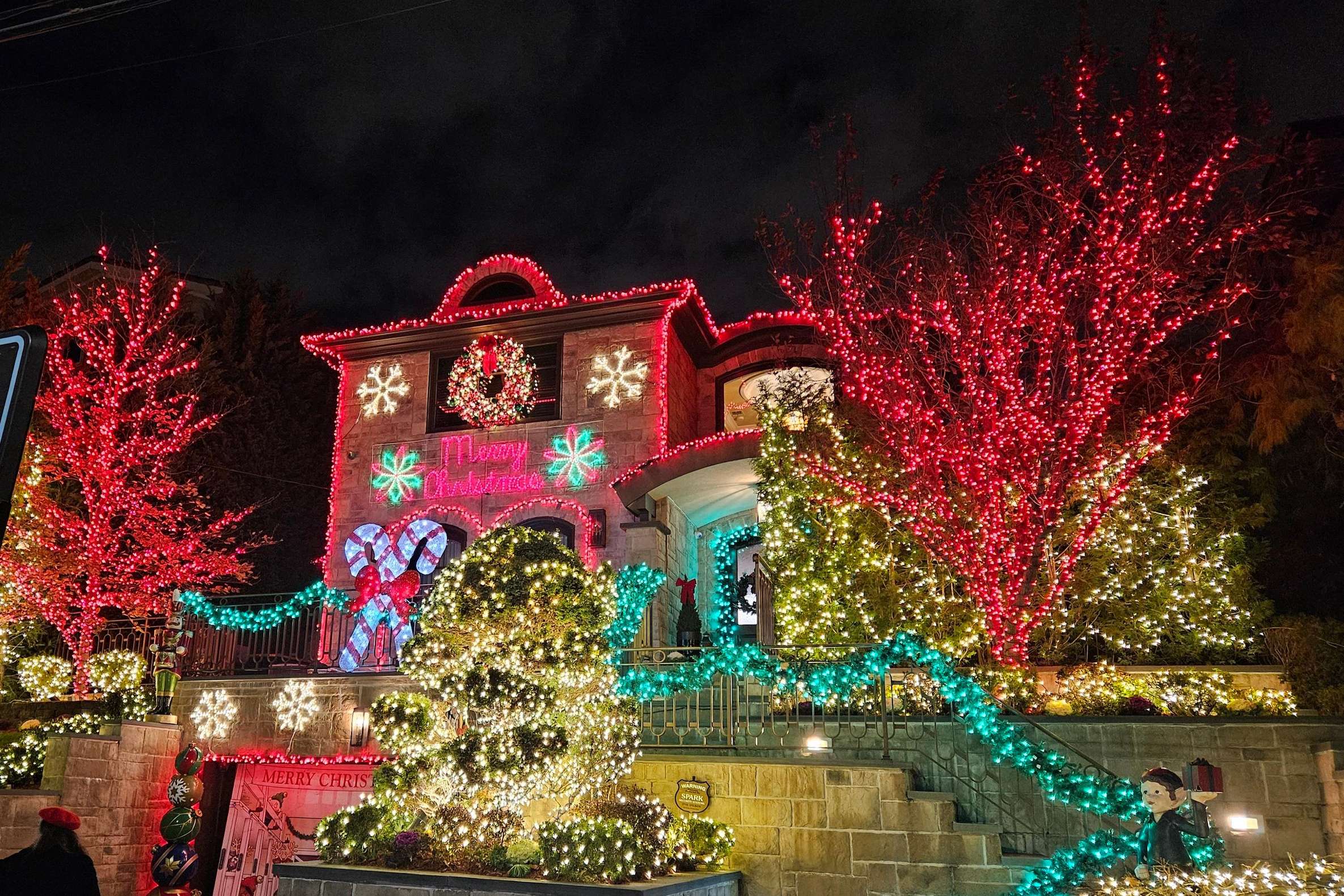
The season has no official switch-on. Homeowners decide for themselves, and the displays reliably come alive the weekend right after Thanksgiving; that first weekend only about one house in five is lit, so aim for the following week. Decorations stay up through the first week of January, well past Christmas Day.
January: 5 out of 5 for how busy it gets.
Tap a month to read it.
December is the whole show, and the month rewards a midweek pick. Monday through Thursday evenings stay walkable and calm; Friday through Sunday brings tour buses, bumper-to-bumper traffic and shoulder-to-shoulder sidewalks.
Displays begin illuminating around sunset.
All major houses are lit with peak crowds.
Crowds thin as initial homeowner timers switch off.
Streets quiet down before the midnight display cutoff.
Dusk between 4:30 pm and 6 pm is the calm window, with displays flicking on and sidewalks thin. Crowds peak from 5 pm to 9 pm.
After 9 pm the sidewalks empty, but homeowner timers start switching houses off block by block; the community board asks everything dark by midnight, so late arrivals trade crowds for a fading show.
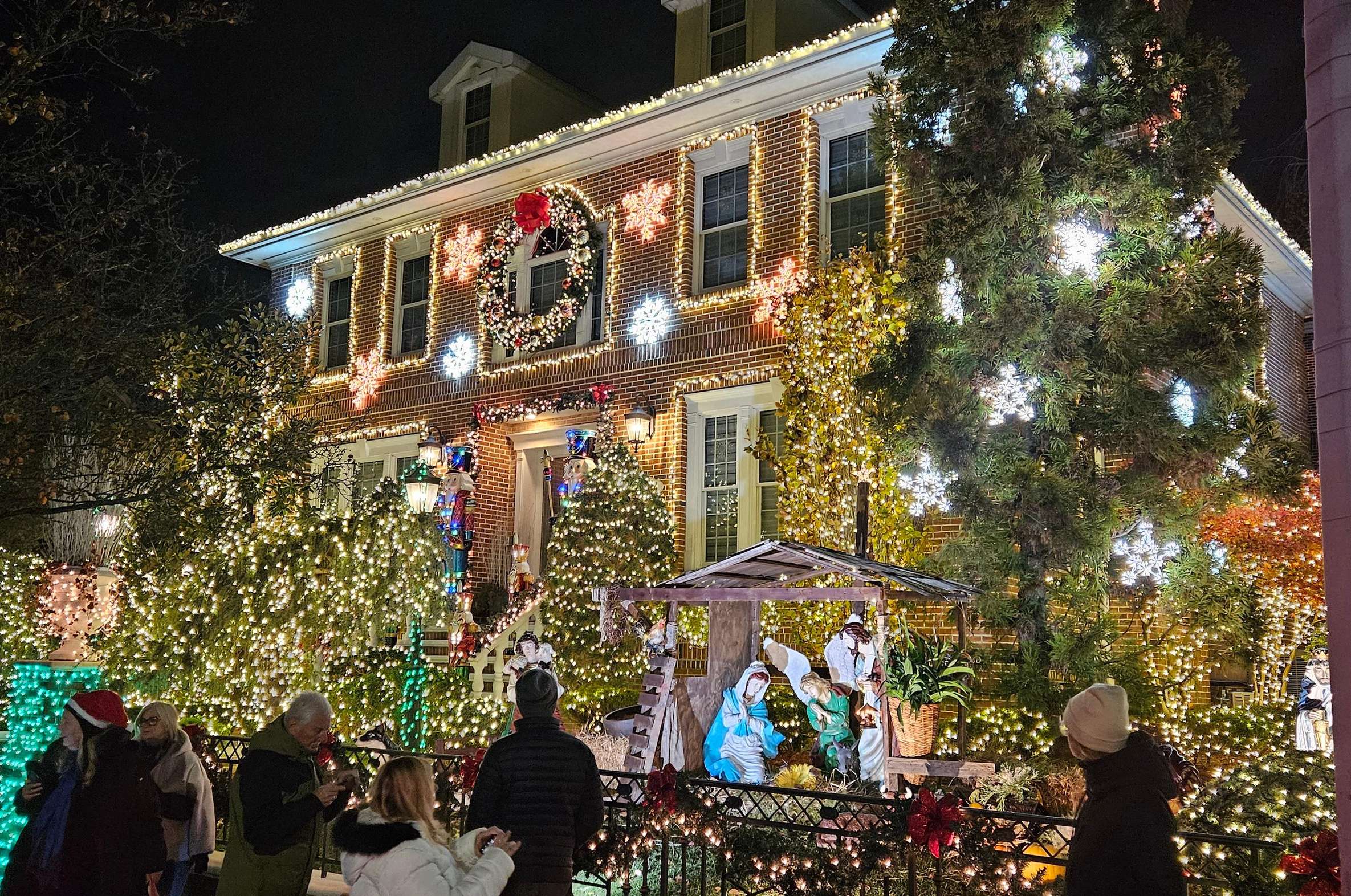
Snow does not switch the lights off. Homeowners keep displays lit through rain and snowfall, and walking tours run in it too, so waterproof boots with grip matter more than a perfect forecast. Only genuinely severe weather cancels tours, and that is rare.
The refund windows differ by operator and are worth reading before you pay. Many tours refund in full up to 24 hours before departure. Some run stricter terms: a full refund a week out minus a small ticketing fee, half back between a week and 48 hours, nothing inside two days.
| If this happens | What happens then |
|---|---|
| Rain, sleet or snow | The displays stay lit and tours run as scheduled |
| Extreme severe weather | The operator cancels and you rebook another date |
| Cancellation a week or more out | Full refund minus a small fee on the stricter tours |
| Cancellation inside 48 hours | Non-refundable on those same tours |
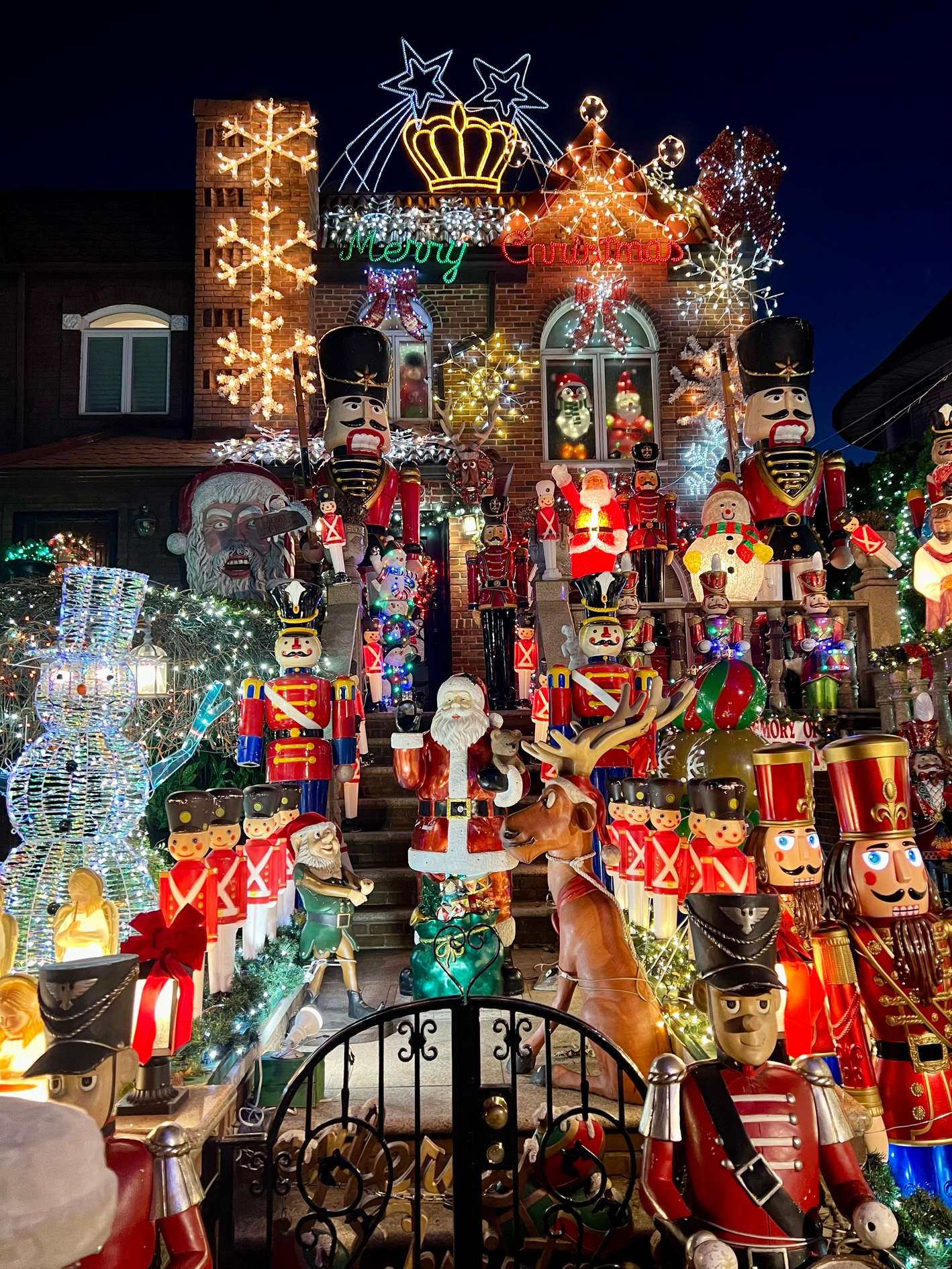
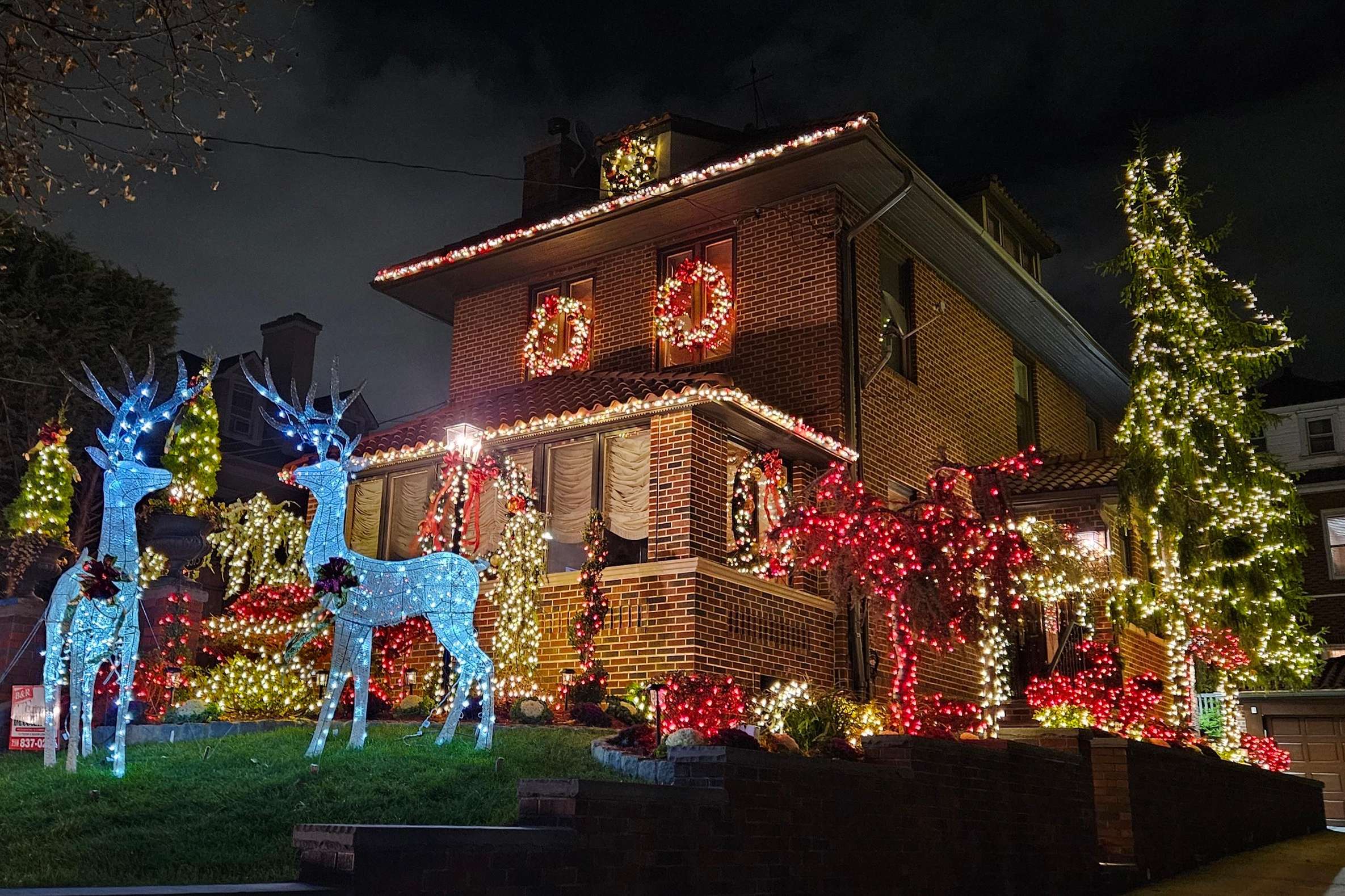
Bring a stroller on a quiet weeknight and the sidewalks work. On a December Saturday the same streets become a pinch point: suburban-width pavements, hilly blocks, tour groups and photographers sharing the same space, and some stretches with no sidewalk on one side at all.
There are no restrooms and no benches in the display area, which families feel first.
Coaches change the arithmetic. A bus tour drops you close to the displays instead of a mile away, and the heated interior doubles as a refuge between stops, which suits small children and older relatives.
Check three rules before booking: some operators require car or booster seats you supply, some bar children under two, and a few let under-threes ride on an adult's lap without a ticket.
Most coaches are not wheelchair accessible; folding wheelchairs and strollers are usually fine stored during the ride, while scooters and non-folding chairs generally are not, so confirm mobility needs with the operator ahead of time.
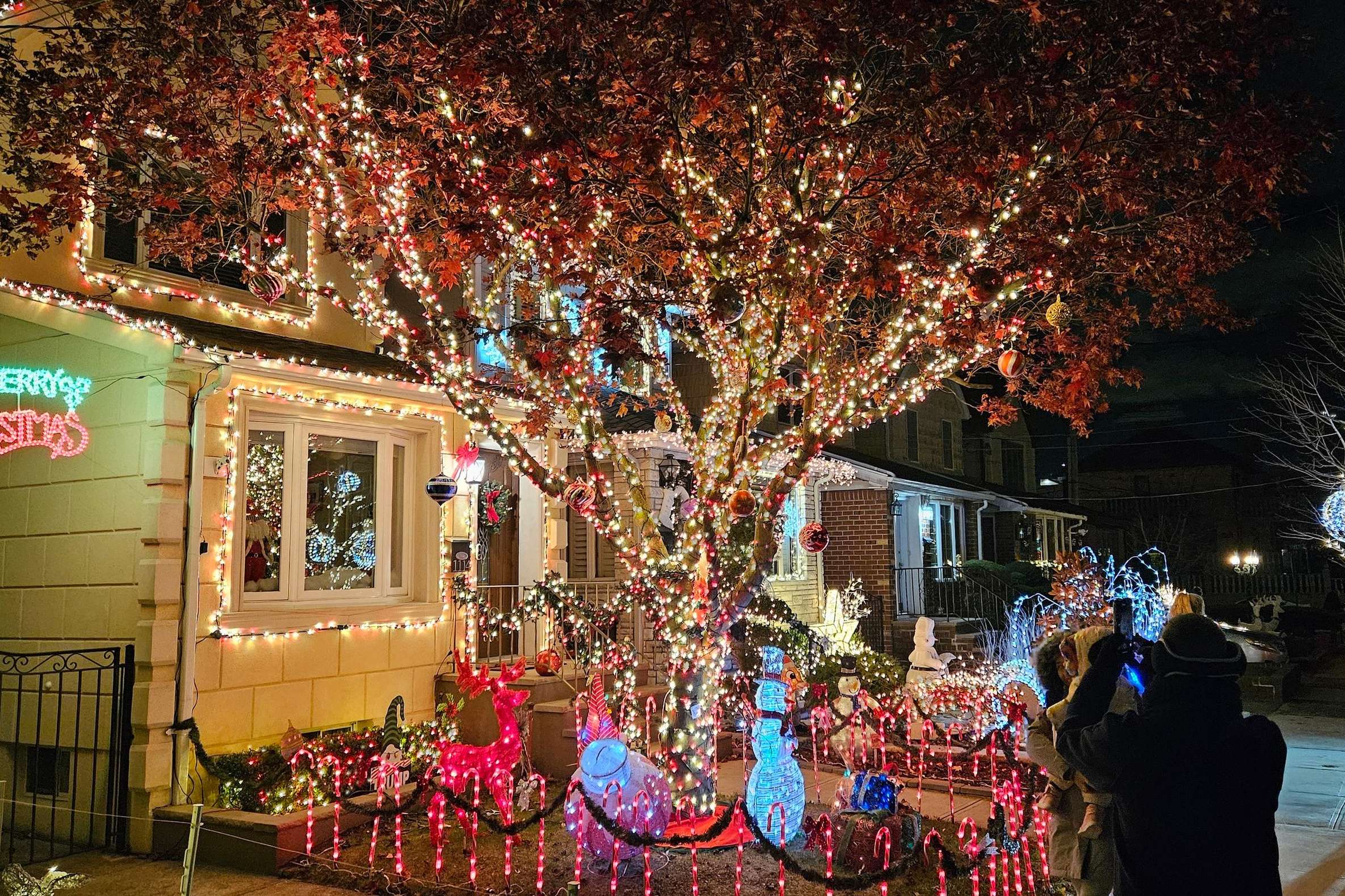
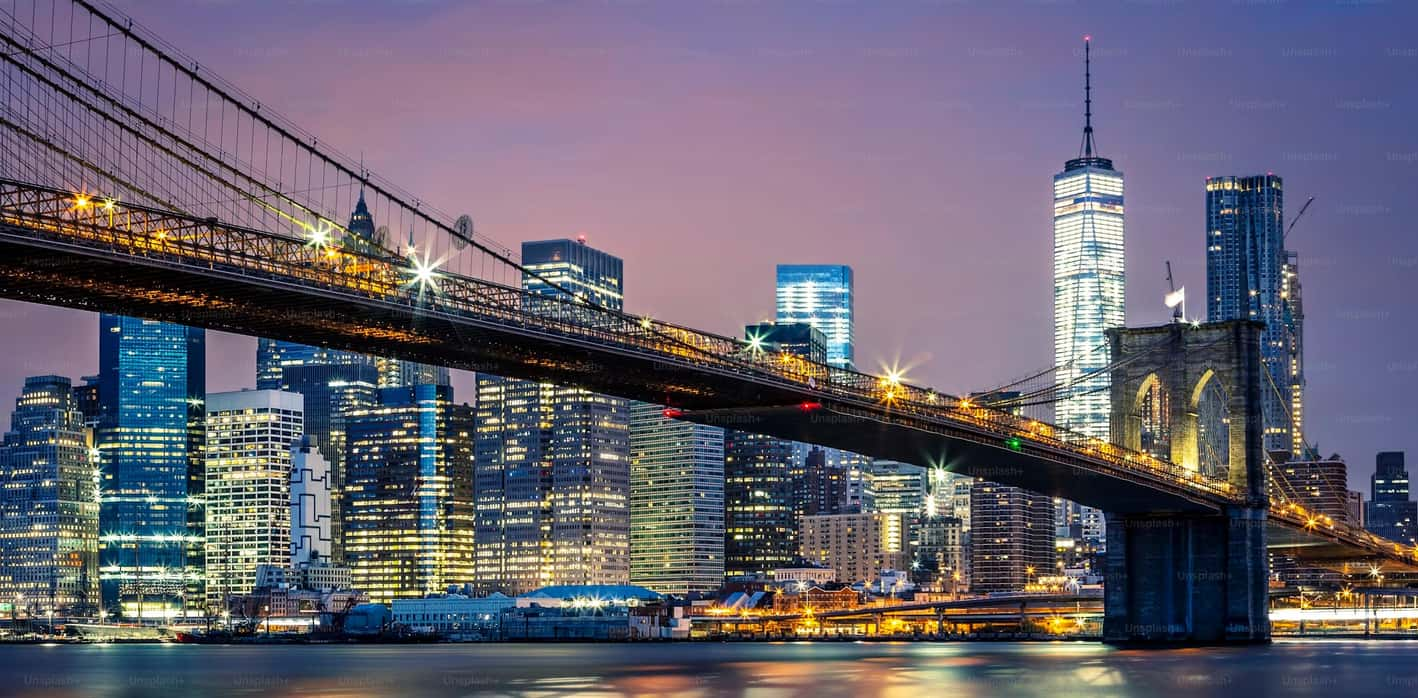
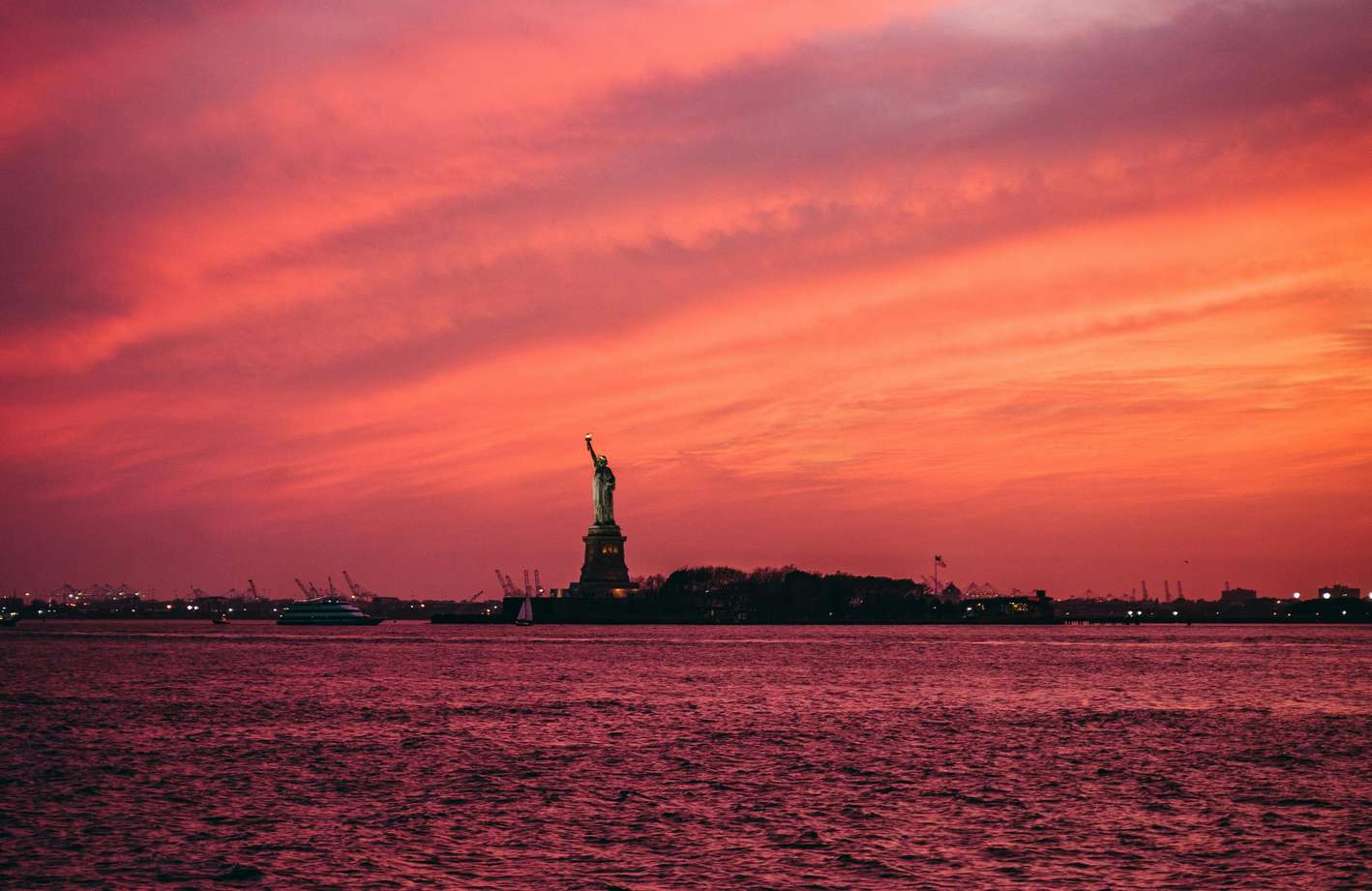
Many coach tours fold a skyline stop into the ride home, parking at Brooklyn Bridge Park for the lit Manhattan skyline and the bridges. It is a short, sharp stop, and the wind off the East River is honest, so keep the coat on.
DUMBO extends the evening on its own. The F train runs direct from Midtown to York Street, the A or C to High Street, the 2 or 3 to Clark Street, and NYC Ferry connects from East 34th Street or Wall Street/Pier 11.
Holiday projections light up the Manhattan Bridge archway and nearby facades nightly until 11 pm, and they read best at dusk. Cobblestones on Water, Main and Front Streets are uneven and slippery when wet.
For the classic view, walk the Brooklyn Bridge itself. The walkway starts on Centre Street across from City Hall Park, close to the Brooklyn Bridge, City Hall station, and the elevated promenade hands you the skyline over the East River the whole way across.
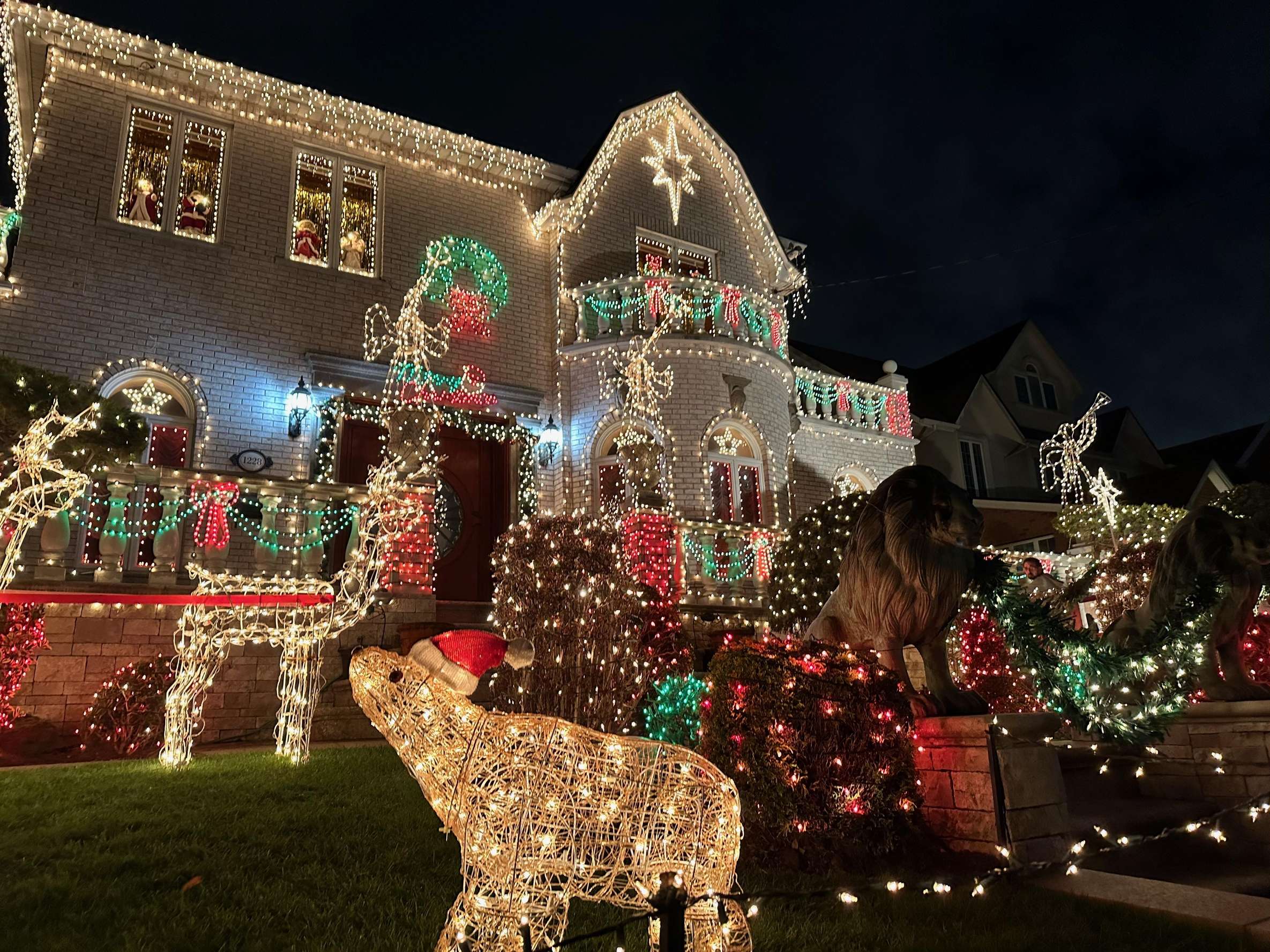
Both routes work, and neither is wrong. Riding the R out, walking your mile and splitting a rideshare home costs the least and runs on your own clock; the displays are free, on public streets, and worth every frozen minute to travelers comfortable navigating Brooklyn after dark.
The tour earns its seat when the walk, the wait and the ride home sound like chores. A heated coach from Midtown removes the transfer, the cold mile and the late-night pickup problem in one booking, with a guide who walks you straight to the houses worth seeing.
Families, anyone with limited mobility, and visitors squeezing the lights between dinner and a show get the most from it. Whichever route you choose, set the clock to dusk arrival and the calendar to midweek, and the evening runs itself.
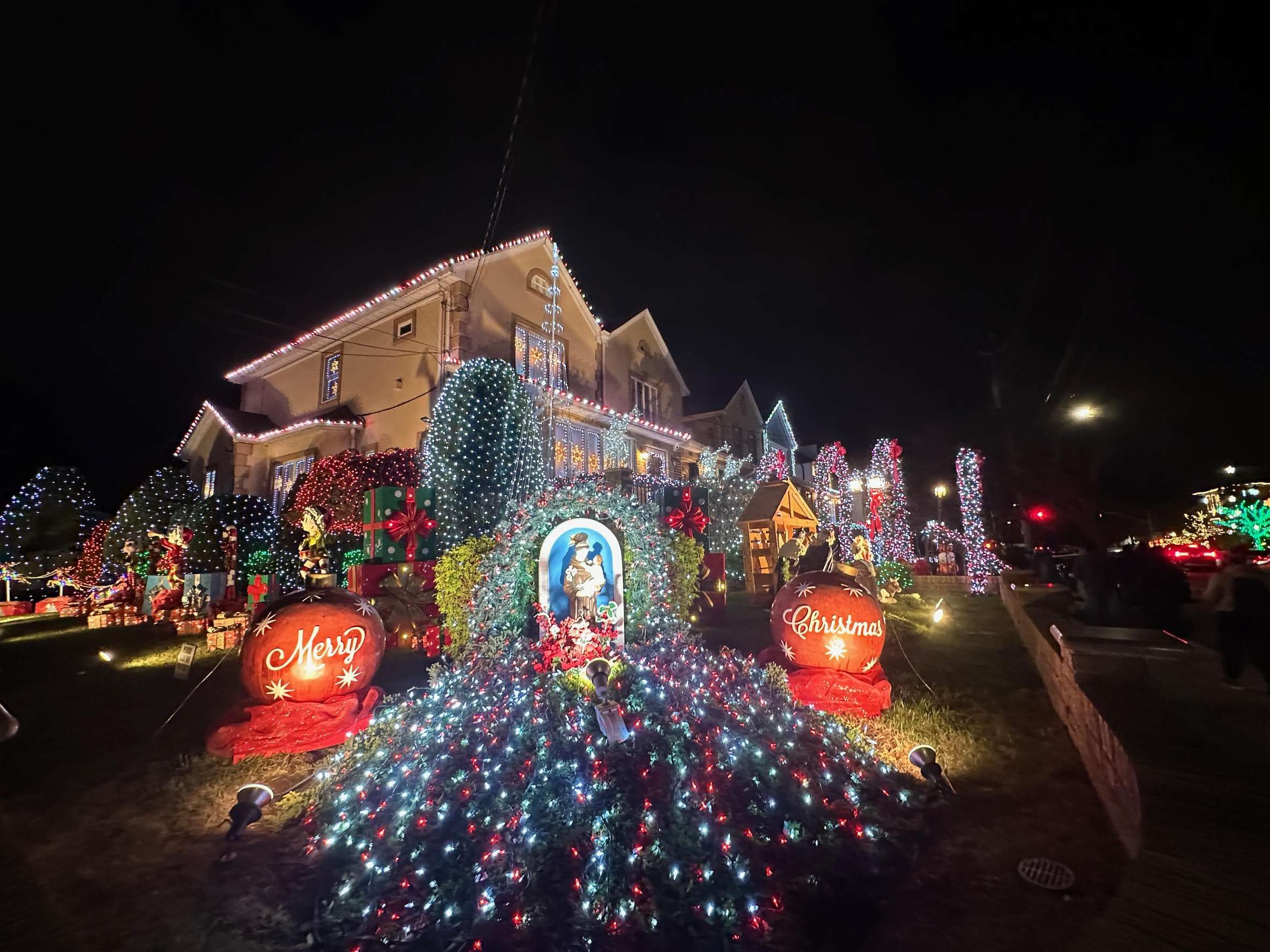
The subway plan suits confident travelers on a budget: one direct train, a cold mile on foot, a planned ride home.
Everyone else, especially families and anyone with limited mobility, is better served by a round-trip coach from Times Square that drops off near the displays and guarantees the way back. Go midweek, arrive at dusk, and either route delivers the lights.
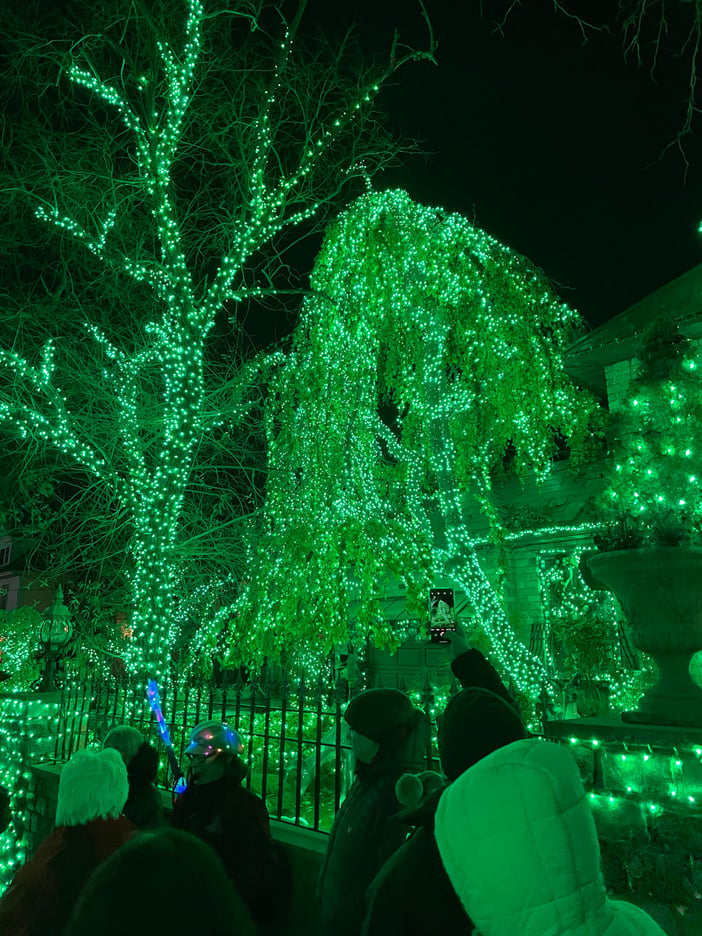
Our guide Matt and driver Tony were very professional, and Matt shared fun NYC facts.
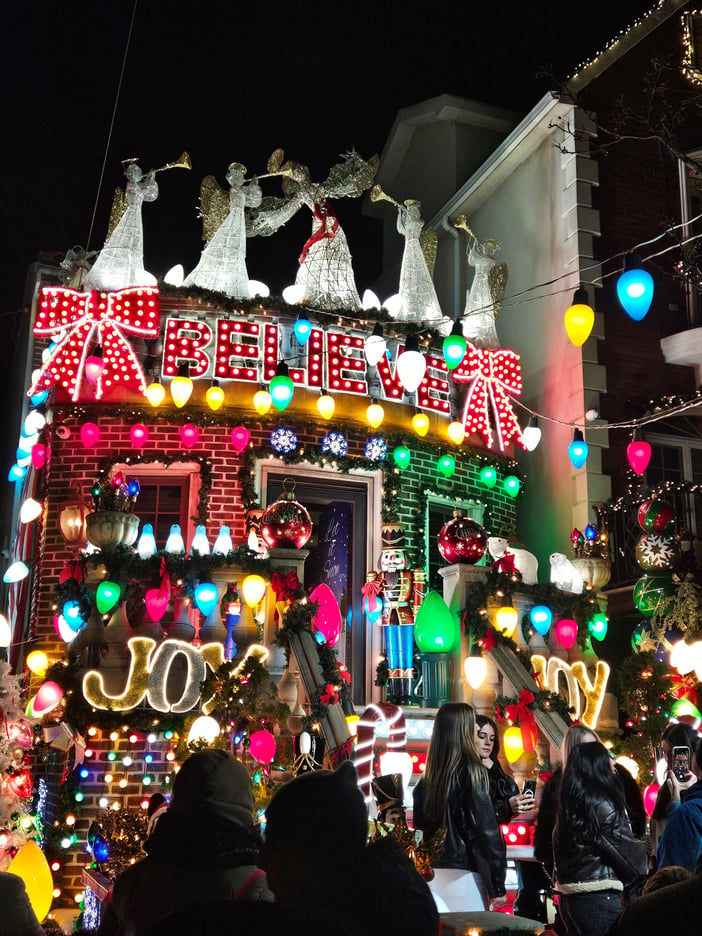
We really loved this tour. The two photo stops were great for pictures, with time for a bathroom break.
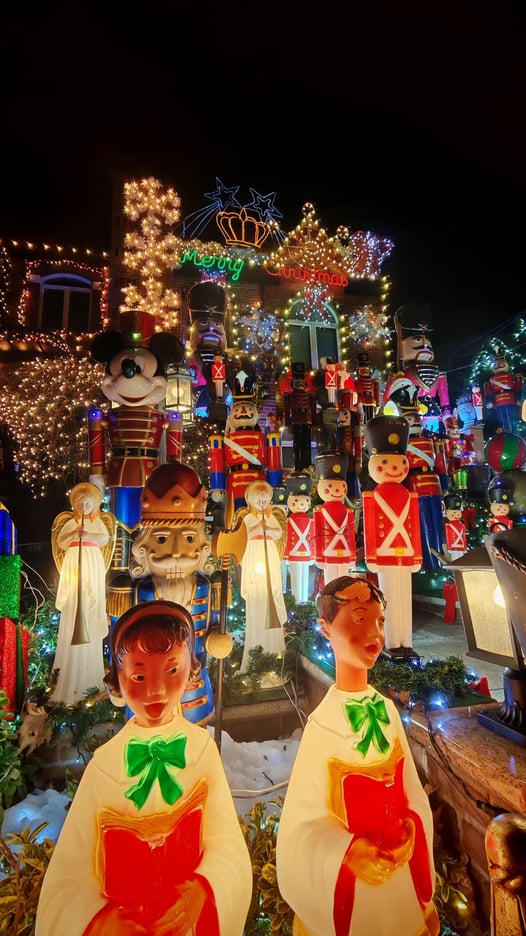
Apart from some chaos before departure, lots of people and a meeting point pretty far downtown, the tour was lovely.
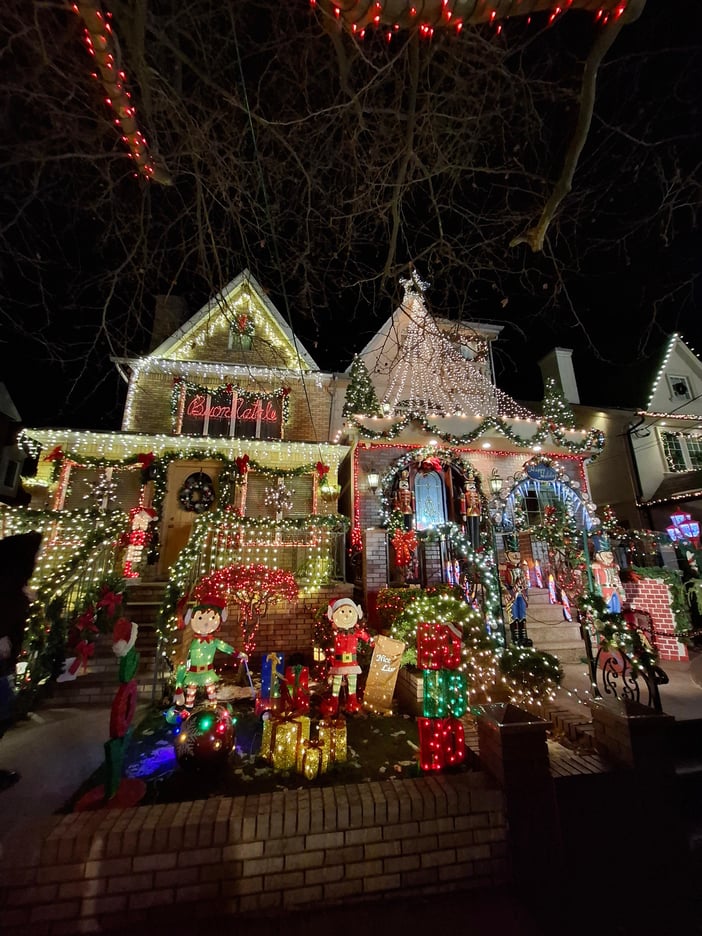
Nothing to improve, we thoroughly enjoyed it. Clean, comfortable transportation with a restroom for emergencies, a knowledgeable and interesting guide, incredible houses in Dyker Heights, and fantastic photo spots including Dumbo. Thank you!
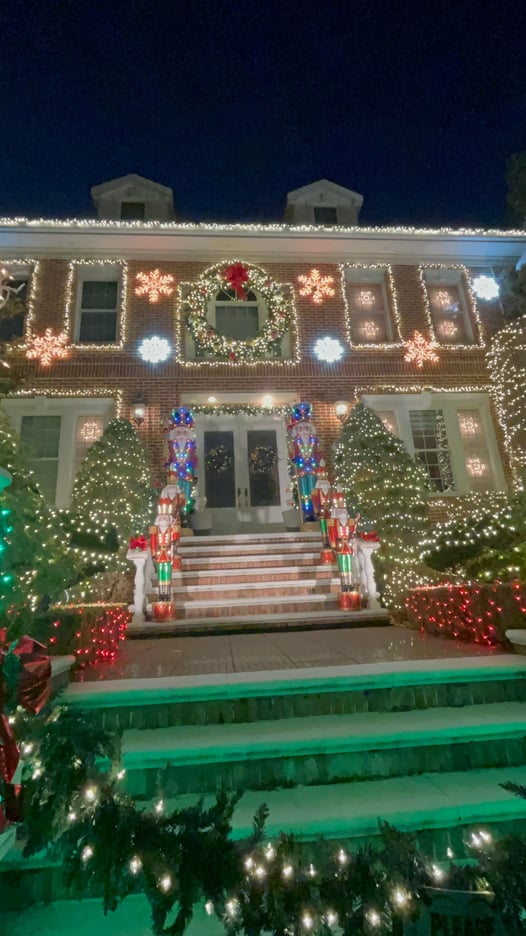
Wonderful tour and an exceptional guide, so many fun facts, like a dive into New York's past.
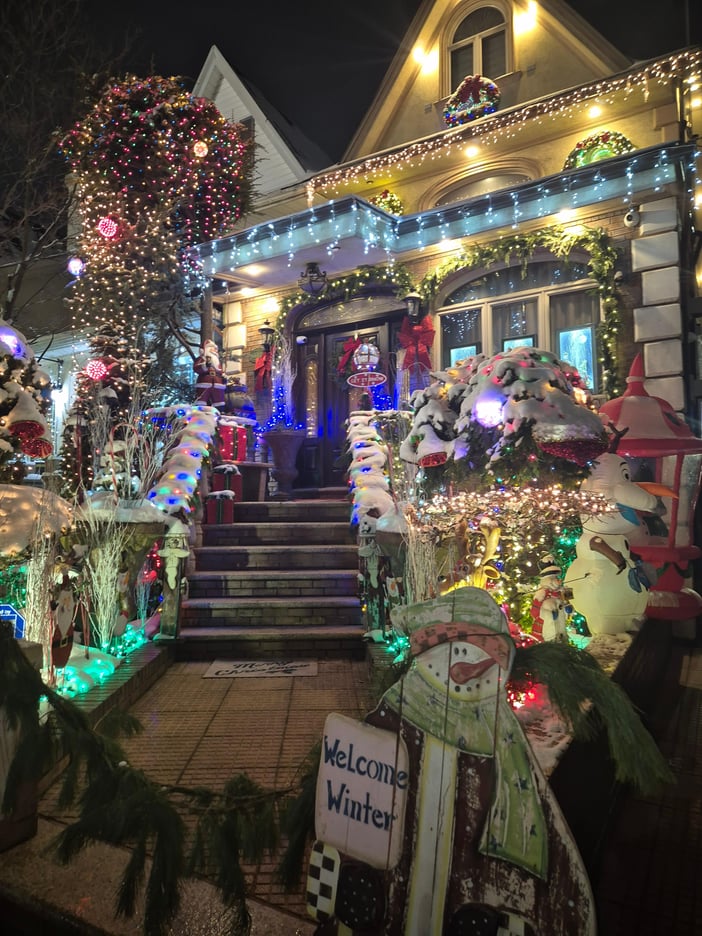
Our guide was wonderful, full of NYC history, and we really enjoyed it. The lights were spectacular, and the ride back with the lit-up Manhattan skyline and time at the Brooklyn bridge was amazing!
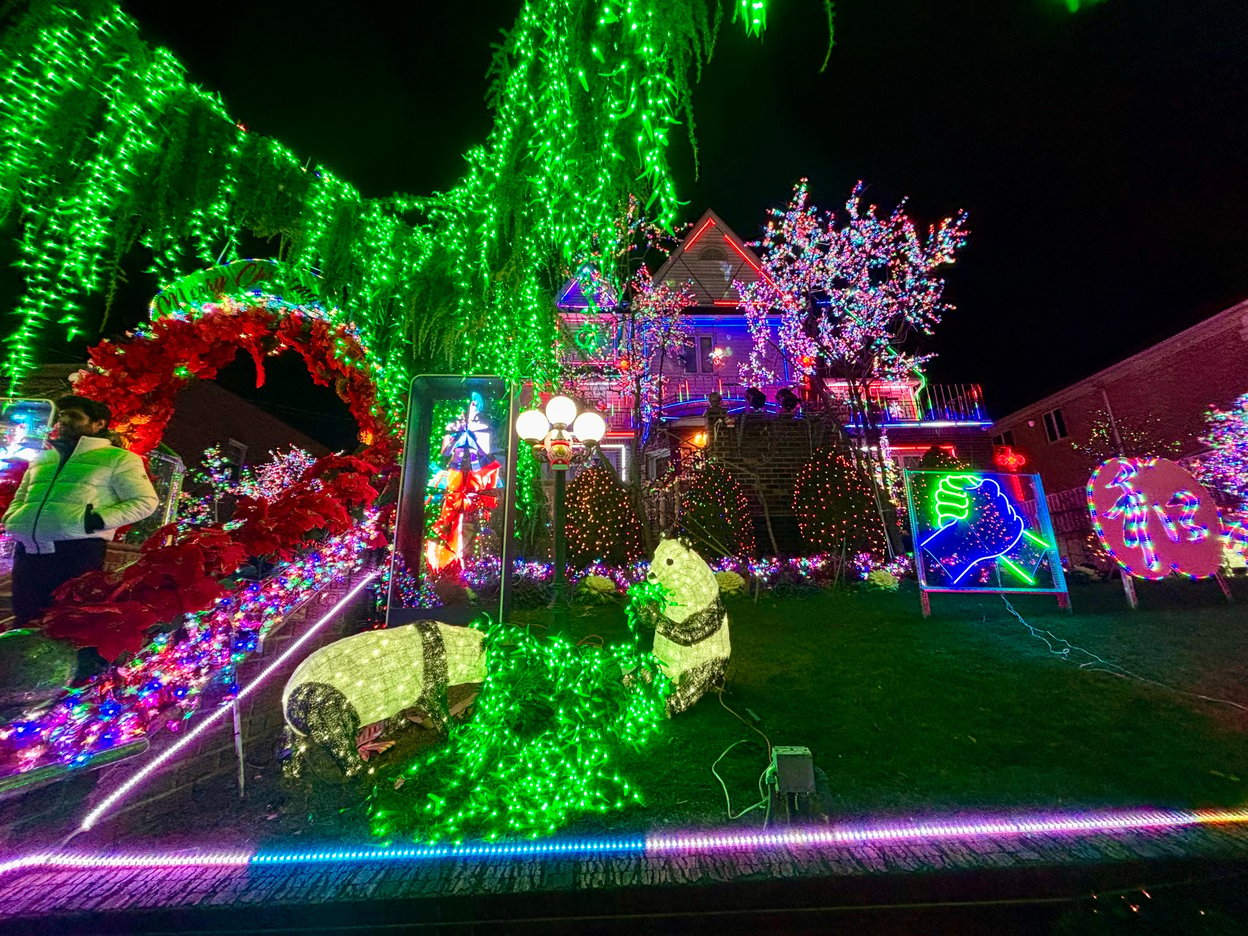
Our guide Jacopo was really friendly and knowledgeable. A complete and interesting tour.
Most reviewers praise their guides, saying the stories and history made the ride as good as the lights.
Several travelers say the stop at the Brooklyn Bridge at night, with the skyline all lit up, surprised them most.
Many reviewers wished for an earlier start, since late buses and crowded sidewalks cut into their time at the lights.
The direct route is the R train, boarded at Times Square, 42nd Street and ridden to the 86th Street station in Bay Ridge. The ride takes about 50 to 60 minutes, then it is a 15-minute walk east along 86th Street toward 11th to 13th Avenues.
The express D train is quicker. Board at 42nd Street, Bryant Park, one avenue east of Times Square, and exit at 79th Street after about 45 to 55 minutes. The walk from there is 10 to 15 minutes.
Neither line stops in the neighborhood. The core displays between 83rd and 86th Streets and 11th to 13th Avenues sit 1.5 to 1.6 km from either station, so count on an 18-to-20-minute walk from 86th Street on the R or 79th Street on the D.
Allow about 45 minutes to an hour door to door by subway, including the walk from the station. Leave extra time in December, when the streets around the displays fill with buses and cars.
Yes. The residential streets between the subway stops and the decorated blocks are safe for visitors, and Dyker Heights itself stays busy in December with heavy foot traffic and a visible police presence.
You can on quiet weeknights early in the month. On busy nights several residential blocks close to through traffic, congestion gets severe, and police keep cars moving past the best houses. Walking remains the way to see the displays up close.
Street parking directly on the light blocks is nearly impossible. Free spaces turn up along a residential stretch of 14th Avenue, and 13th Avenue has metered parking until 7 pm. Either way, expect a walk and a slow exit in evening traffic.
The X38 runs from Midtown toward Brooklyn between 3:45 pm and 6:30 pm on weekdays, every 10 minutes, and the evening X28 runs from 6:45 pm. The ride takes 60 to 75 minutes, and stops along 86th Street leave you within a 1-to-5-minute walk of the displays.
Uber and Lyft run around the clock, but December demand in Dyker Heights is high and prices can surge. Yellow cabs rarely cruise these residential streets, so street hailing is impractical. Skip anyone in an unmarked car offering a ride, since unlicensed drivers often overcharge stranded visitors.
No. The displays sit on free public residential streets, so a self-guided subway trip costs only the fare. A tour simply removes the transfers, the cold walk from the station, and the navigation, which suits families, groups, and anyone on a tight schedule.
December evenings in Brooklyn run between 4°C and -4°C, and you will stand and walk outdoors for 45 minutes or more. Layer up: a thermal base, an insulated coat, a warm hat, a scarf, insulated gloves, and flat, weather-resistant shoes with thick wool socks.
The display blocks themselves have no public restrooms or indoor facilities. Use one before you set out, either in Bay Ridge businesses along 4th Avenue and 86th Street or at the Bay Ridge Library if you arrive on the R train.
Tasty Pastry on 13th Avenue stays open until 8 pm on Saturdays for a hot drink.
Map out the best places to see holiday lights across all five boroughs before you plan another evening out.
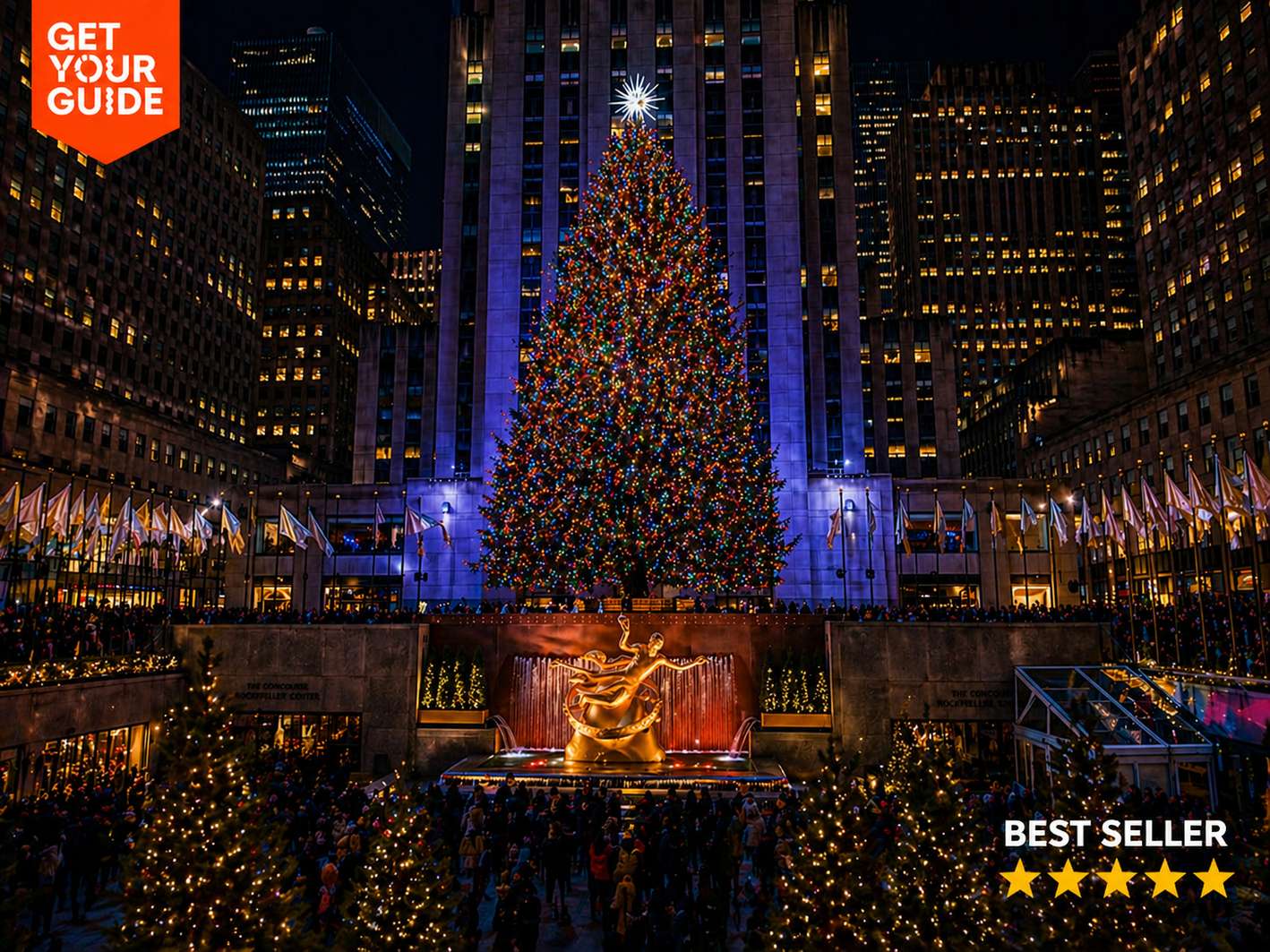
Get the exact Rockefeller Center tree lighting date and hours so your travel dates line up with the ceremony.
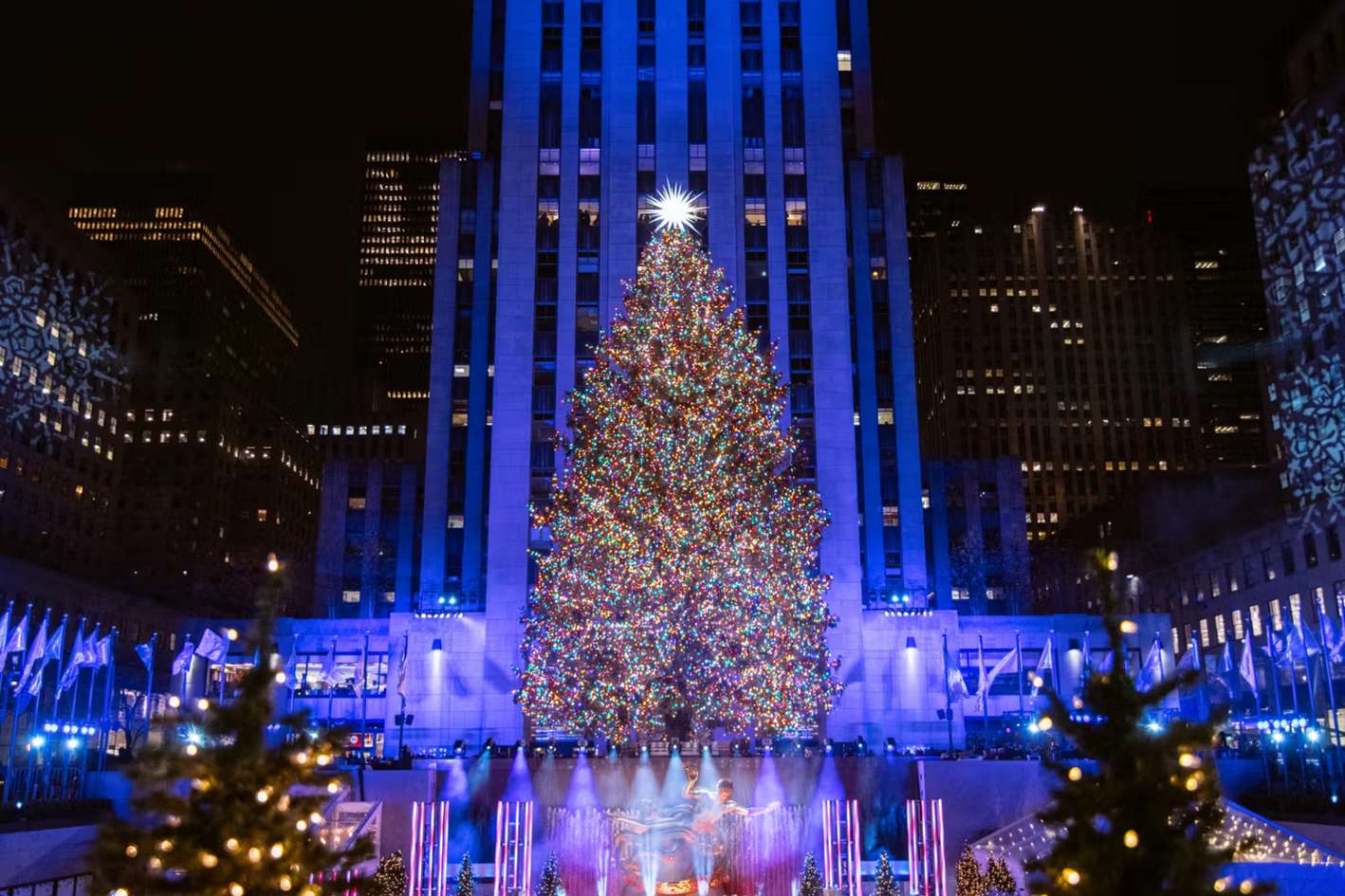
See when the Saks Fifth Avenue light show runs each evening and how to pair it with the windows nearby.
Find out how a Christmas lights carriage ride through Central Park works and what to wear for it.
Compare Brooklyn's most decorated residential displays beyond Dyker Heights, block by block.
Plan a Manhattan walking tour that strings together the holiday windows, markets and lit-up landmarks.
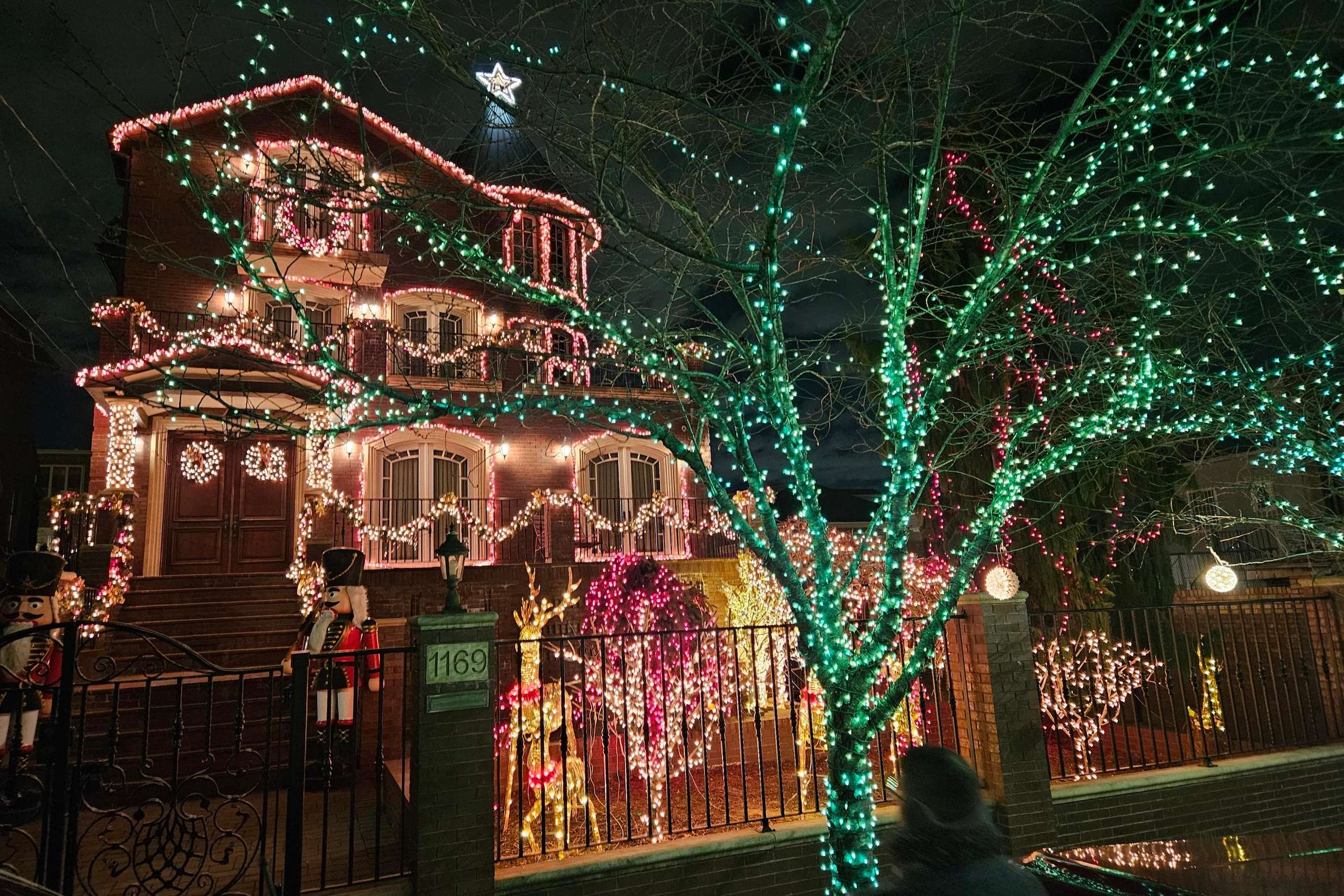
A three-hour coach from the heart of Times Square drops you at Dyker Heights' brightest homes, and you can cancel up to 24 hours ahead for a full refund.