
1.5 hours·English, German
5.0(1)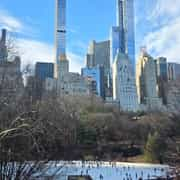
NYC: Pedicab Tour of Christmas Movie Sites & Holiday Lights
Free cancellationHot drinksPhoto stops at iconic landmarks
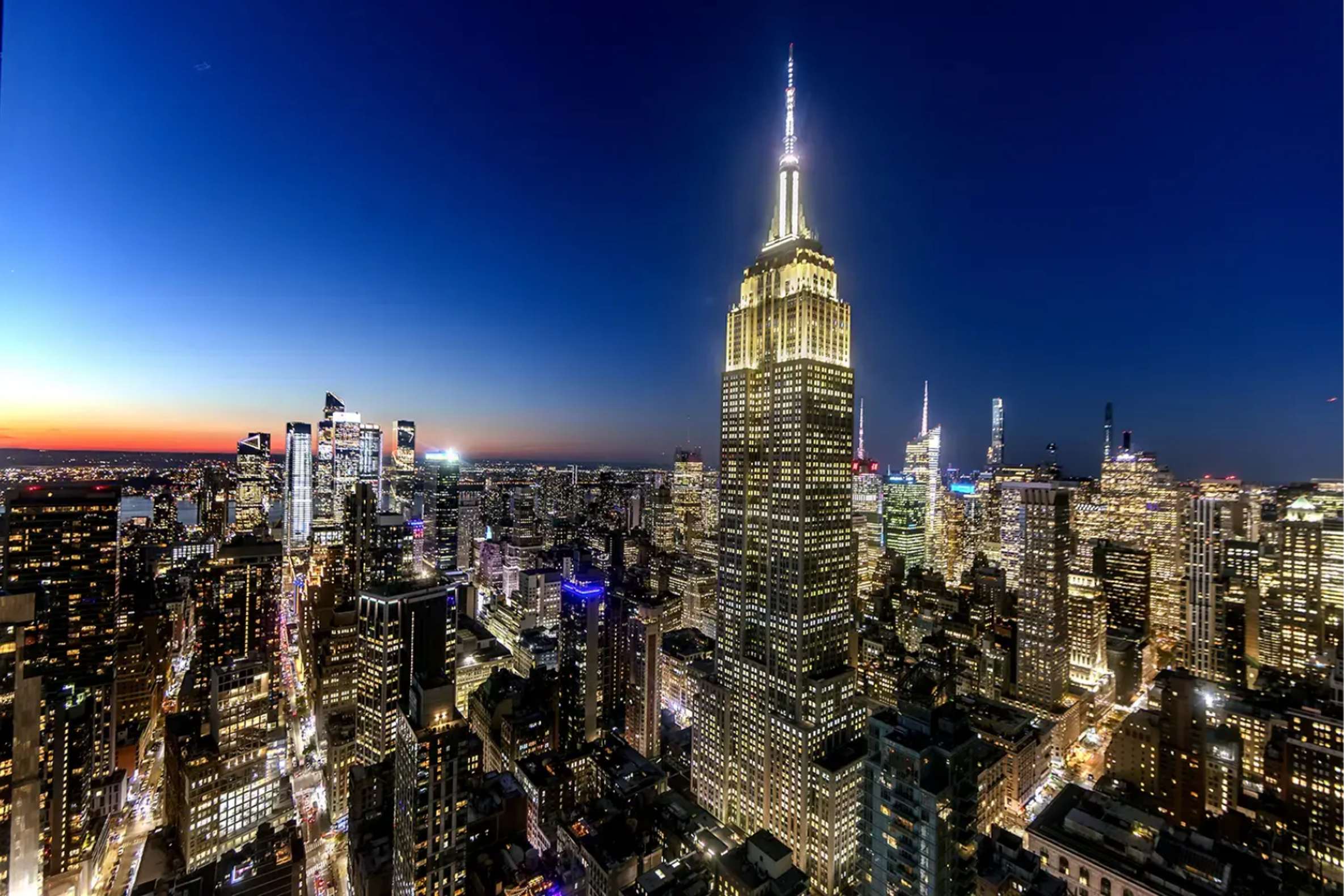
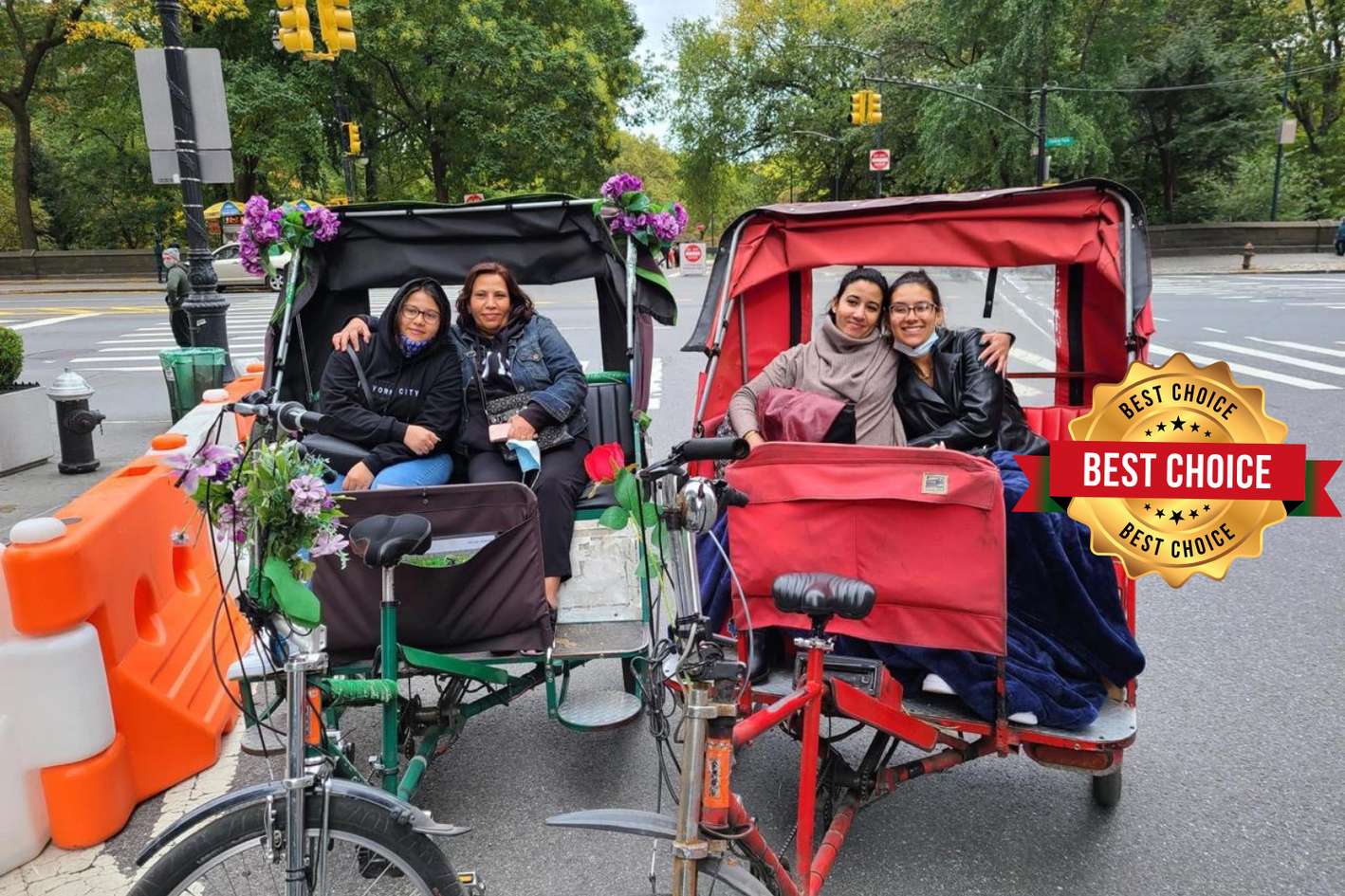
Swap crowded sidewalks for a blanket-lined seat through the park. Glide past Wollman Rink and real Christmas movie spots with a guide who knows every film story, then see the tree and Fifth Avenue windows the easy way. Book your pedicab ride before December evenings sell out.
"Booking our tour in advance made getting to Central Park so easy, no stress at all. We loved riding past all the famous movie scene spots!"


The park in the movies glows from tree to tree. The one at 59th Street runs on lamp posts, a lit rink and a skyline. What to expect, and which open-air ride to book, settles in the chapters below.
Central Park's paths carry standard lamp posts, so the festive glow comes from the rink, the market and the illuminated Midtown skyline instead.
Carriages run year-round and stay inside the park, and city law caps their fare on a posted sign of at least 6 by 8 inches, charged for the whole trip.
The best ride leaves between 3:30 and 4 pm: daylight park first, then city lights as dusk falls around 4:30 pm.
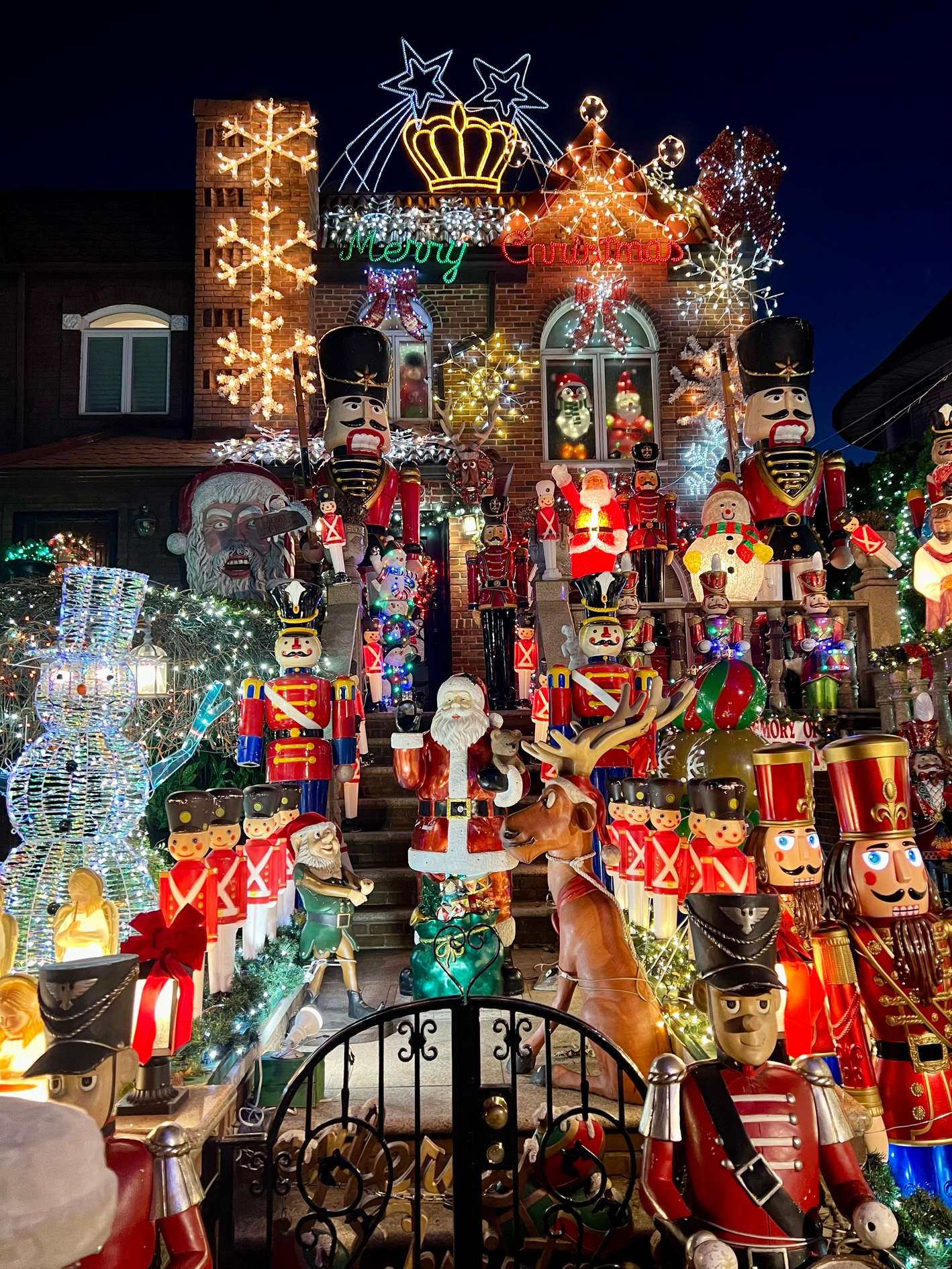
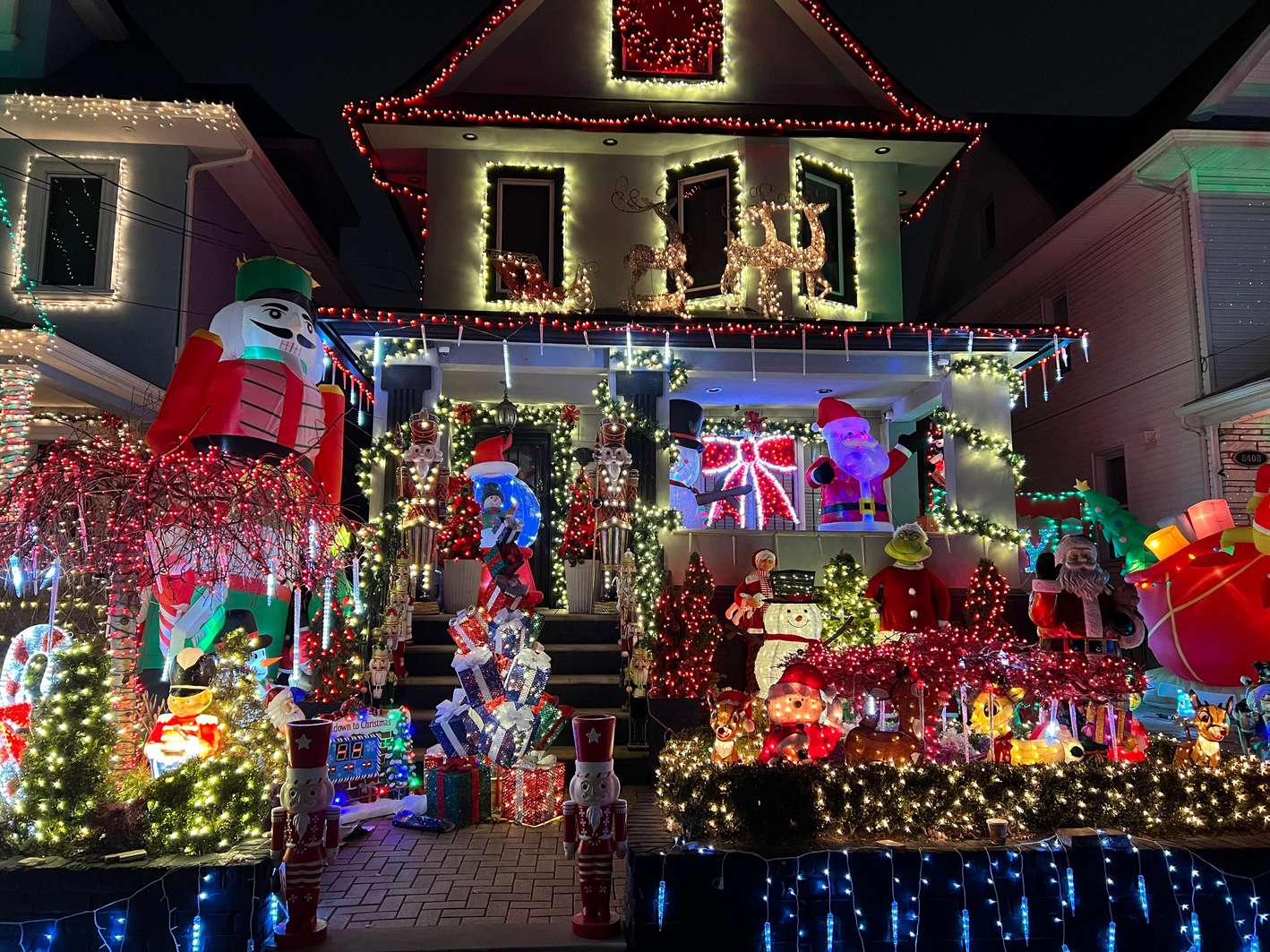
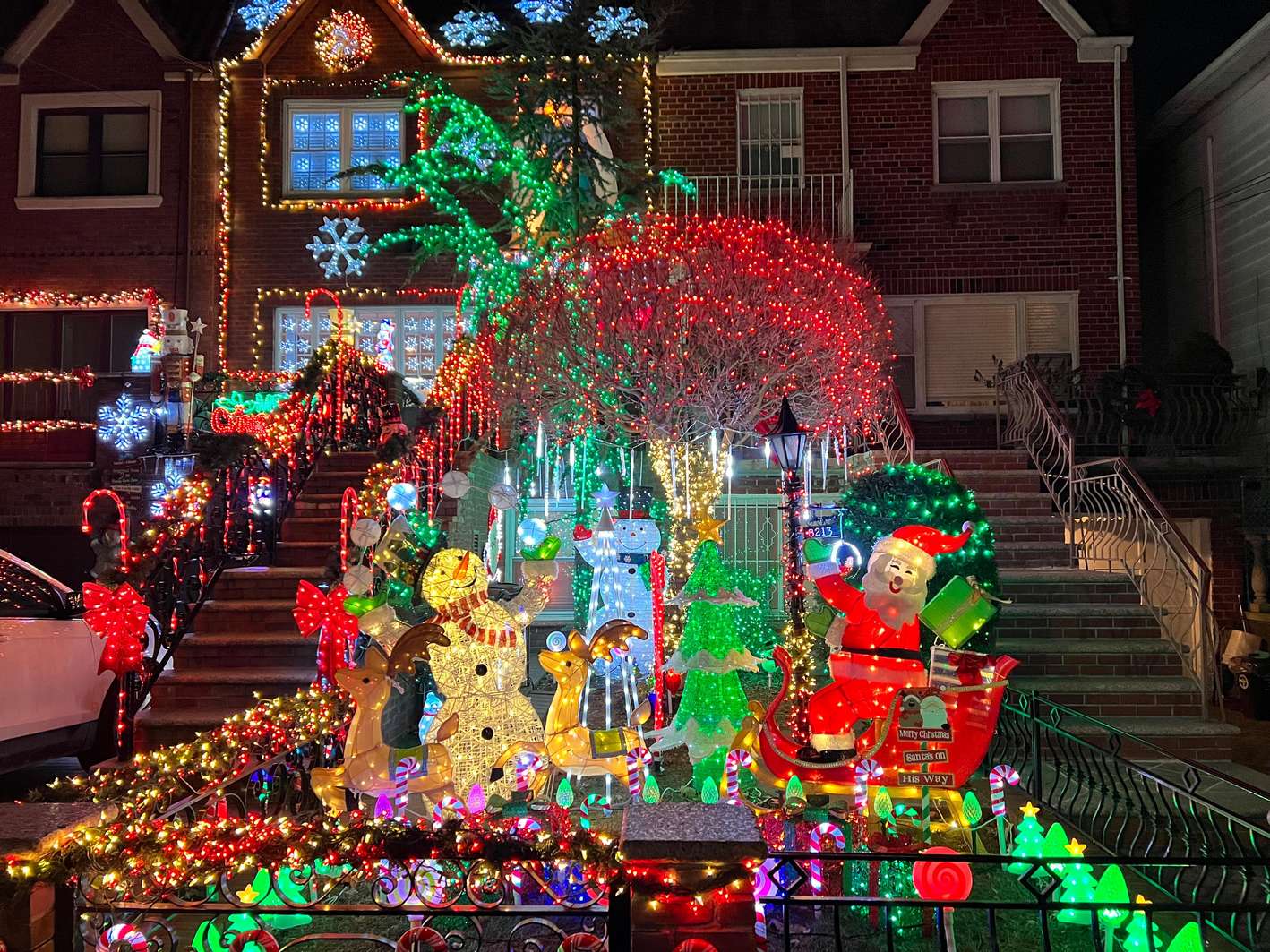
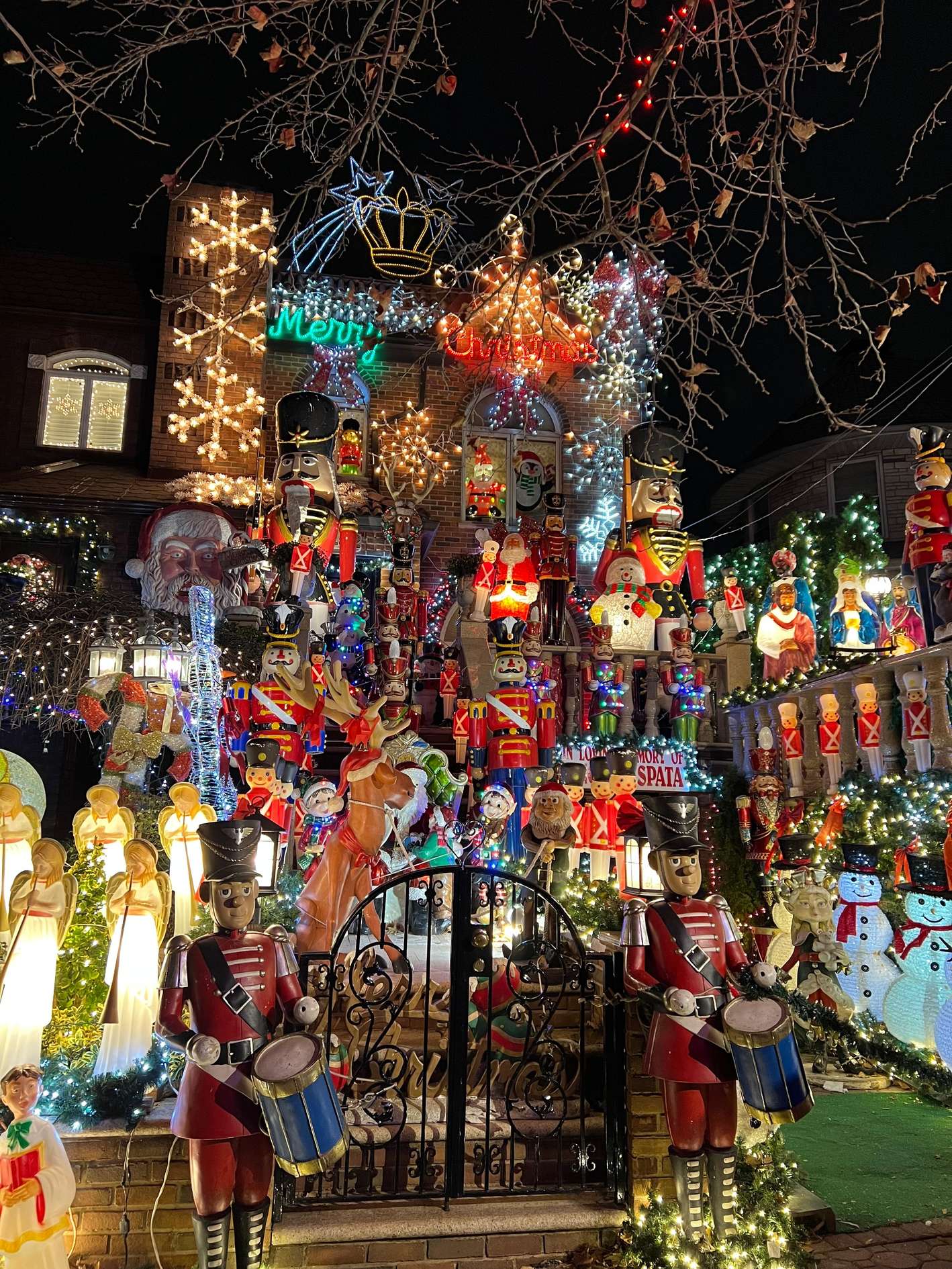
Dyker Heights in Brooklyn delivers the dense displays this park lacks, about 4 hours round trip from Manhattan with roughly an hour on foot.
Dress in warm layers, a hat and gloves, because the pedicab tour runs outdoors in all conditions and most of it is open-air. If a severe cold snap looks likely, book a slot you can cancel: this tour allows free cancellation up to 24 hours in advance.
The movie version of Central Park in December runs on string lights from trunk to trunk. The real one runs on lamp posts. Walk the interior paths after dark and the light comes from standard fixtures, and people who arrive expecting Brooklyn-style displays with bridges leave puzzled.
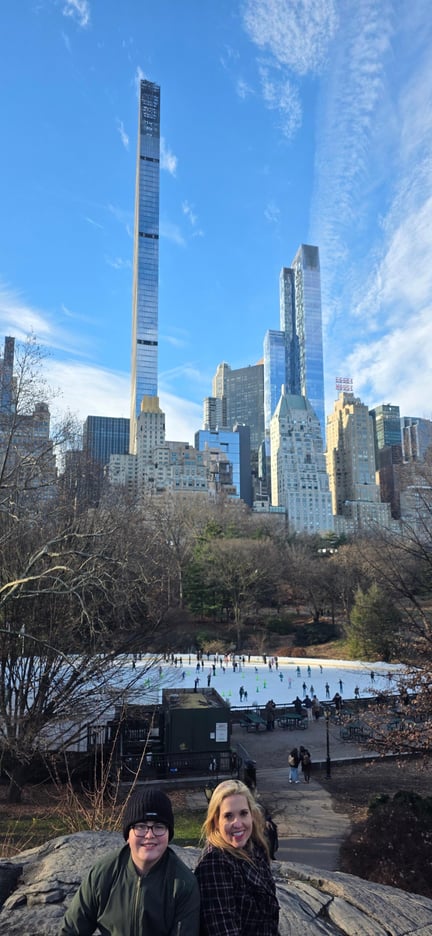
That does not make the park bare. The festive mood concentrates at the southern edge: Wollman Rink turns under the illuminated Midtown skyline, the Columbus Circle market hums at the southwest corner, and seasonal touches appear around the entrances.
What the park gives you is atmosphere framed by the city, quieter than the sidewalk crawl around Rockefeller Center and Fifth Avenue, where crowds move five to ten minutes per block in the evenings.
Both kinds of decoration exist in this city. Rows of glowing private houses live in Brooklyn, on a page of their own. Inside the park you get the rink, the skyline, a market, and movie scenes you can stand in, and the pedicab ride on this page ties them together in a single outing.
Three beliefs trip up first-timers, and the rows below sort the real park from the filmed one.
The paths run on standard lamp posts, and the festive glow lives at the rink, the market and the skyline instead
Dyker Heights in Brooklyn holds the dense residential displays; the park's holiday feel comes from Wollman Rink, the markets and the lit skyline
The film look comes from set dressing; the real filming spots, like Bethesda Terrace, are ordinary park landmarks you can visit
Once the picture is straight, the park's real appeal, quiet paths with the skyline doing the glowing, becomes much easier to plan an evening around.
Yes, the horses still work. Carriage rides operate year-round, and the holiday season is when they are busiest, so walk-up service at Central Park South often means standing in a line. Booking ahead online spares you the queue, which matters when the cold turns a 20-minute wait into a long one.
The money side is more orderly than most visitors expect. City law sets the maximum carriage rate, and every cab must post it on a sign at least 6 by 8 inches on each exterior side.
Carriage fares cover the whole ride at one rate, so the price does not climb with head count. The sign cannot be hidden or defaced, and the driver has to hand over a receipt if you ask for one.
Pedicabs follow a different rulebook. The city sets no pedicab rate, but the fare must run per minute at one fixed rate, shown on a sign on the outside of the cab, with a sealed digital timer on board.
Drivers cannot add mandatory tips, taxes or fees for extra passengers, and the rate cannot rise at the end of the ride.
A few of these details decide what you actually pay, and regulars know them by heart.
The cap is legal, and every cab must display it, so a driver quoting more is off script
A family of four pays the trip rate, so the per-person math people fear does not apply
The visible timer and posted per-minute rate cap what can be added at the end
Walk-up carriage queues grow longest in December, so reserve online before you arrive
Booking ahead is the one move that turns this chapter from rules into a short walk to your cab.

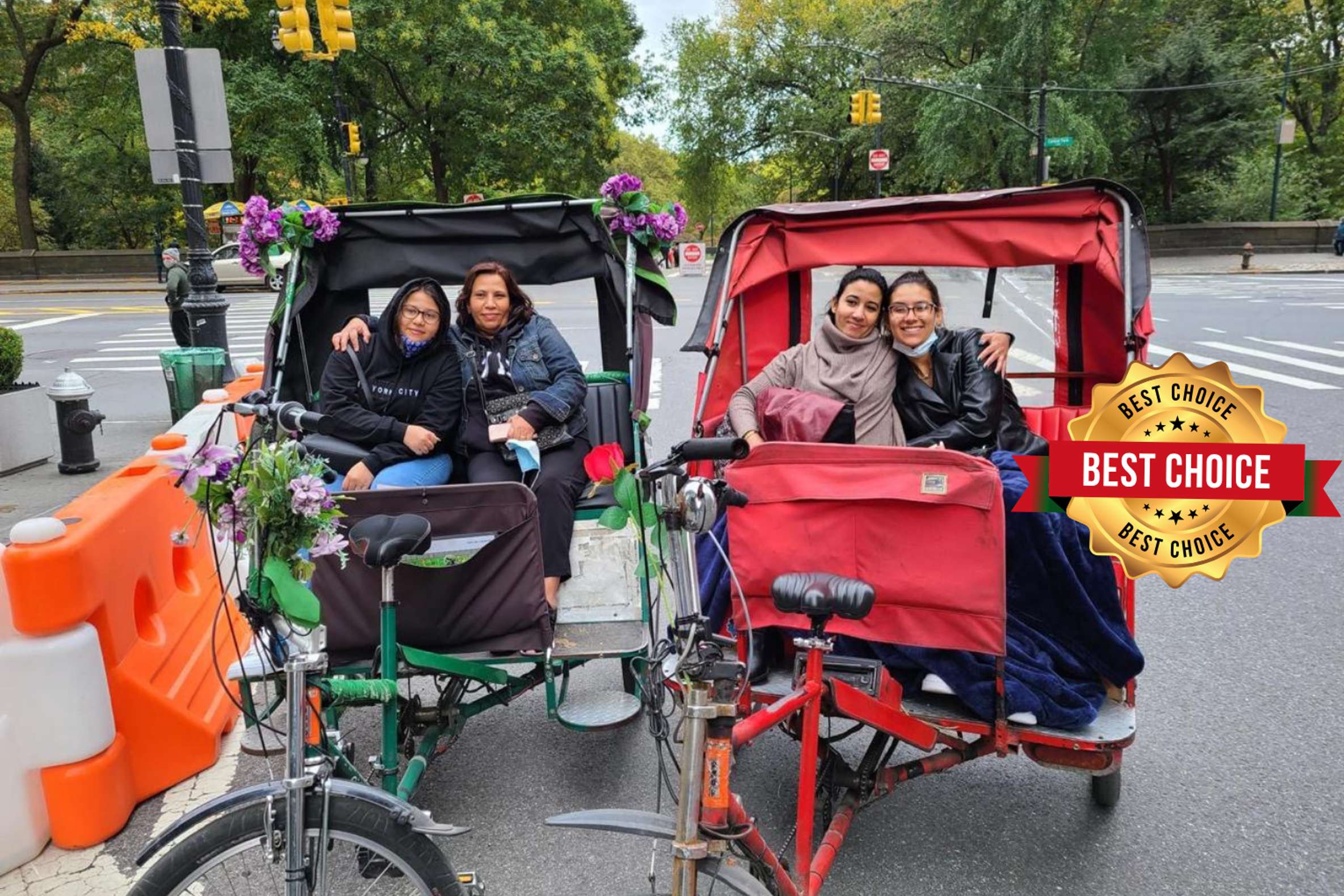
Both vehicles stay on the park drives, and they move differently through the evening. The carriage gives you the classic picture, slow and quiet, on routes limited to the park itself, so it never detours to Midtown's light displays.
The pedicab covers more ground and reaches spots the horses cannot, and on the loop drives it keeps to the far right lane with pickups only at signposted points. Capacity decides it for bigger groups.
Carriages take small parties too, so ask when you book. The two numbers behind that limit sit in one place, and they settle most group decisions at a glance. ::w1
So a couple rides together easily, and a family of five books a second cab or switches to a carriage. Time works the same way in both.
An hour covers the southern half of the park, taking in the Carousel, Wollman Rink, the Mall, Bethesda Fountain, Bow Bridge and Strawberry Fields. Two hours push north to Belvedere Castle, the Reservoir and Shakespeare Garden.
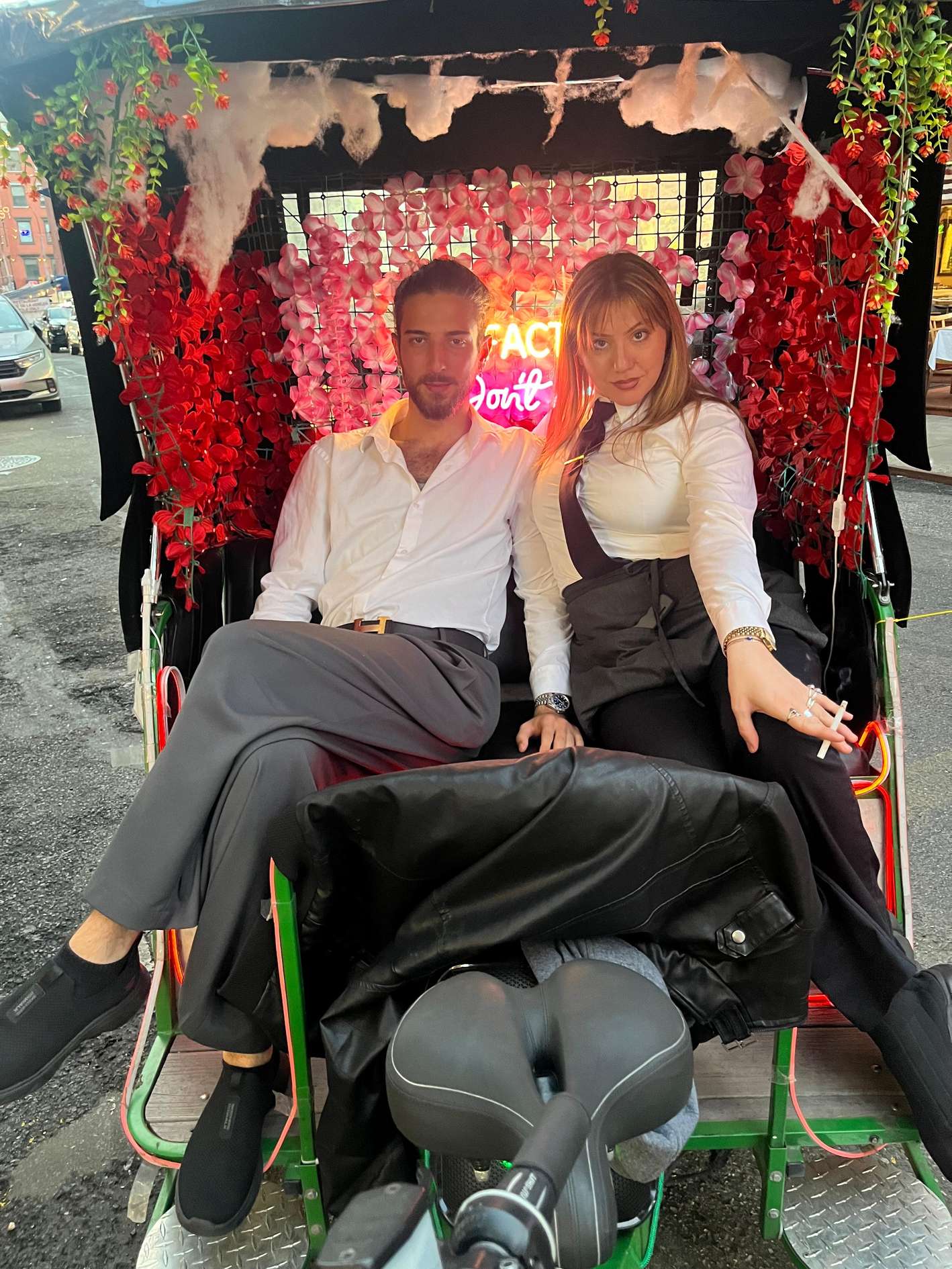
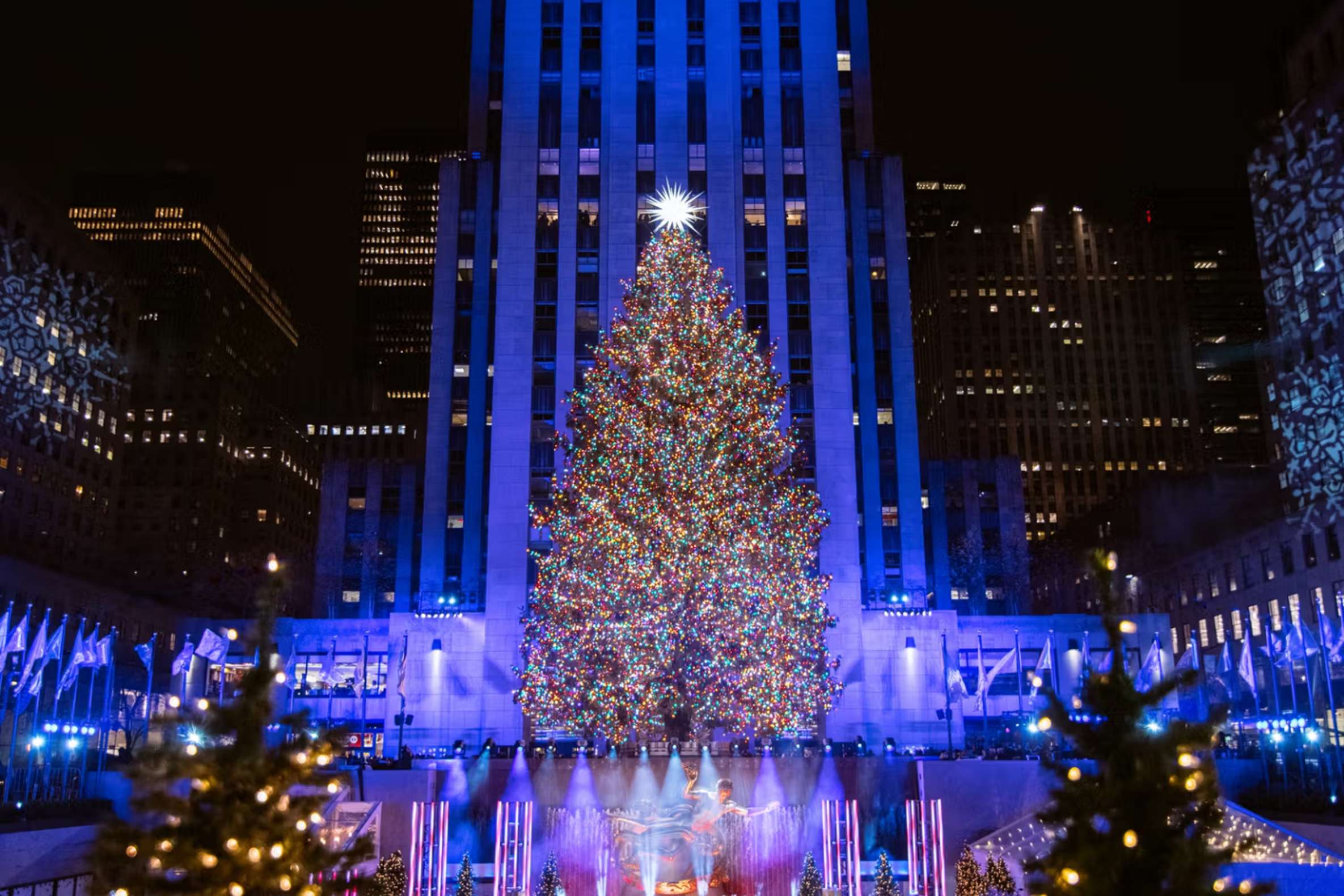
If movie scenes are the point, the NYC: Christmas Special Movie and Hotspots Pedicab Tour already stitches it together: 1.5 hours through Central Park's filming spots and out past the Midtown Christmas tree and the Fifth Avenue window displays, with hot drinks and Christmas music on board.
The southern corner of the park carries the whole highlight reel. Wollman Rink at 63rd Street draws skaters under the Midtown towers, and the elevated paths and rock outcrops around 62nd and 63rd Street hand you the overlook.
Two blocks south, Gapstow Bridge at 62nd Street faces the Central Park South skyline, the Plaza Hotel and the high-rises, best at dusk when the windows come on.
Then the films take over. Wollman Rink is where Harry and Marv plan their heist in Home Alone 2, and Gapstow Bridge and the Pond are where Kevin meets the Pigeon Lady.
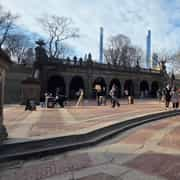
Bethesda Terrace and Fountain appear in both Home Alone 2 and Elf, first as Kevin's escape route, then in the scenes around Santa's sleigh. Pinebank Arch hosted the Elf snowball fight, and the Central Park Zoo walks through Buddy's first day in the city.
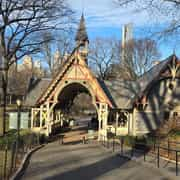
Farther north, the Charles A. Dana Discovery Center at Harlem Meer floats an annual flotilla of illuminated trees on the lake, which stays lit across the whole season. A one-hour ride reaches the southern cluster comfortably; the flotilla rewards a second visit on foot or a longer tour.

Riding is the part that catches people out. Walking keeps you warm on its own. An open ride asks more of your clothing, because you sit still while the breeze does its work, and December evenings in the park run from near freezing to the mid-40s by day.
Dress as if you were standing still on a pier. Thermal base layers, a fleece, and a windproof coat that fastens at the neck carry the load, with a warm hat, a scarf, insulated gloves and waterproof boots with grip underneath.
Bare fingers stiffen within minutes when you are holding a phone for photos, so gloves you can shoot in earn their keep.
The driver's lap blanket helps on top of your coat, and your own layers carry the ride; people who lean on the blanket alone spend the second half shivering. Boarding happens on street sidewalks and park drives that can be wet or icy, hence the boots with traction.
Everything worth packing for the ride, from the neck down to the soles, sits in one list.
One more detail people forget: batteries. Cold drains phone and camera batteries fast, and long night shots drain them faster, so keep a spare or a power bank in an inside pocket, close to body heat, and it will still be alive when the rink appears.
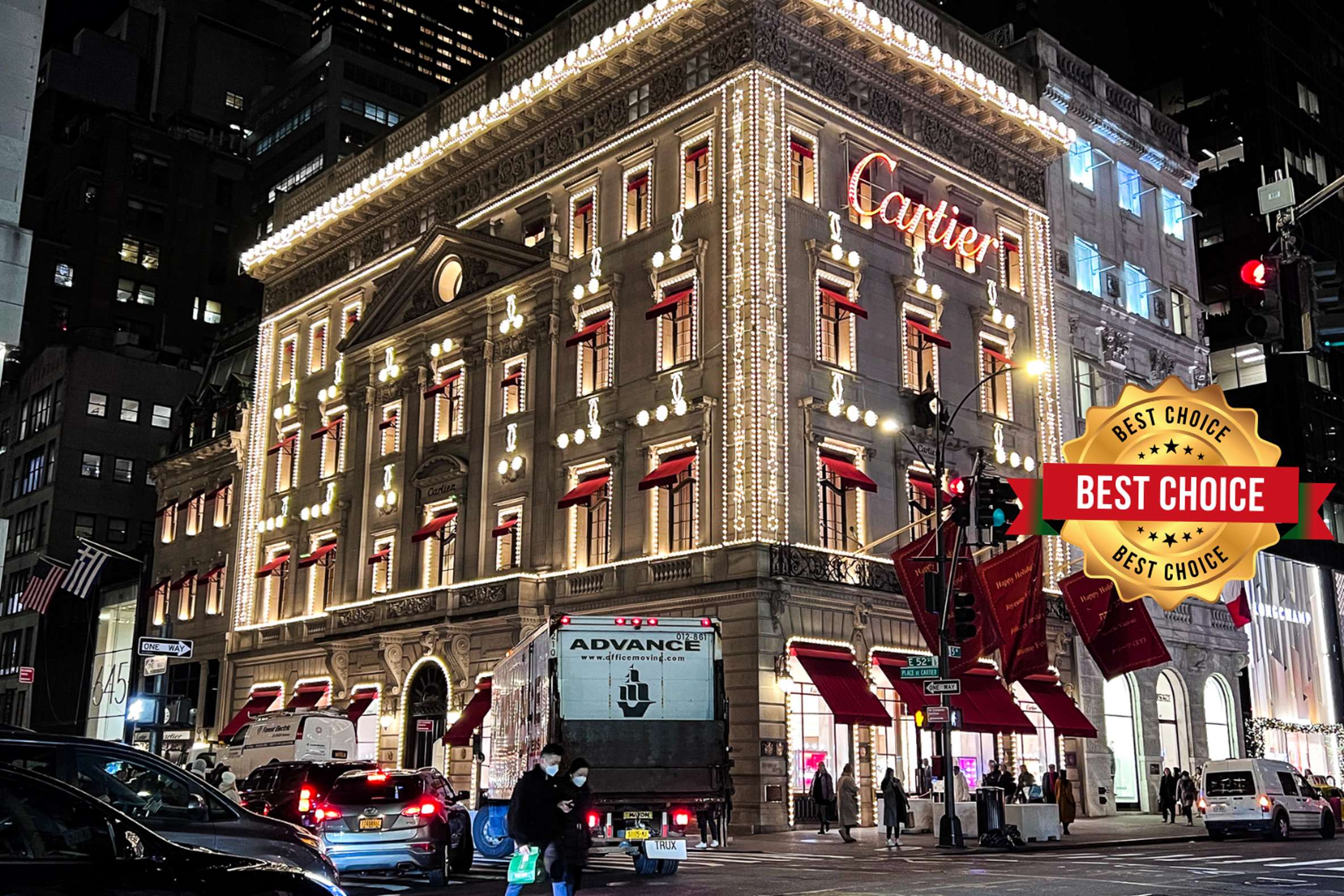
Late afternoon is the slot that gets everything. A departure between 3:30 and 4 pm buys you the park's landmarks in daylight and golden hour first, then hands you over to the city as the lights switch on around 4:30 pm dusk.
Sunset lands near 4:30 in December, so the whole transition happens inside a single ride.
Weather can intervene, but rarely. Carriage horses must stop working and return to their stables when the temperature drops to 18°F (-8°C) or below, a cutoff that hits a handful of nights in a normal December.
Pedicabs face no city temperature limit, though drivers follow police and park officials during emergencies. In practice, book the ride and expect it to run.
Christmas Day itself stays open. The park operates 365 days a year from 6 am to 1 am, with skating at Wollman Rink from 9 am to 10 pm and the zoo until 4:30 pm.
Two cautions: the rink closes early in the afternoon on December 26, and walk-up lines everywhere run longest on the holidays themselves.
The daylight-to-lights handover looks like this on a December afternoon.
Crowd levels swing with the calendar as much as with the hour.
December: 5 out of 5 for how busy it gets.
Tap a month to read it.
December tops the scale, which is why the midweek evening matters: same lights, a fraction of the sidewalk traffic.
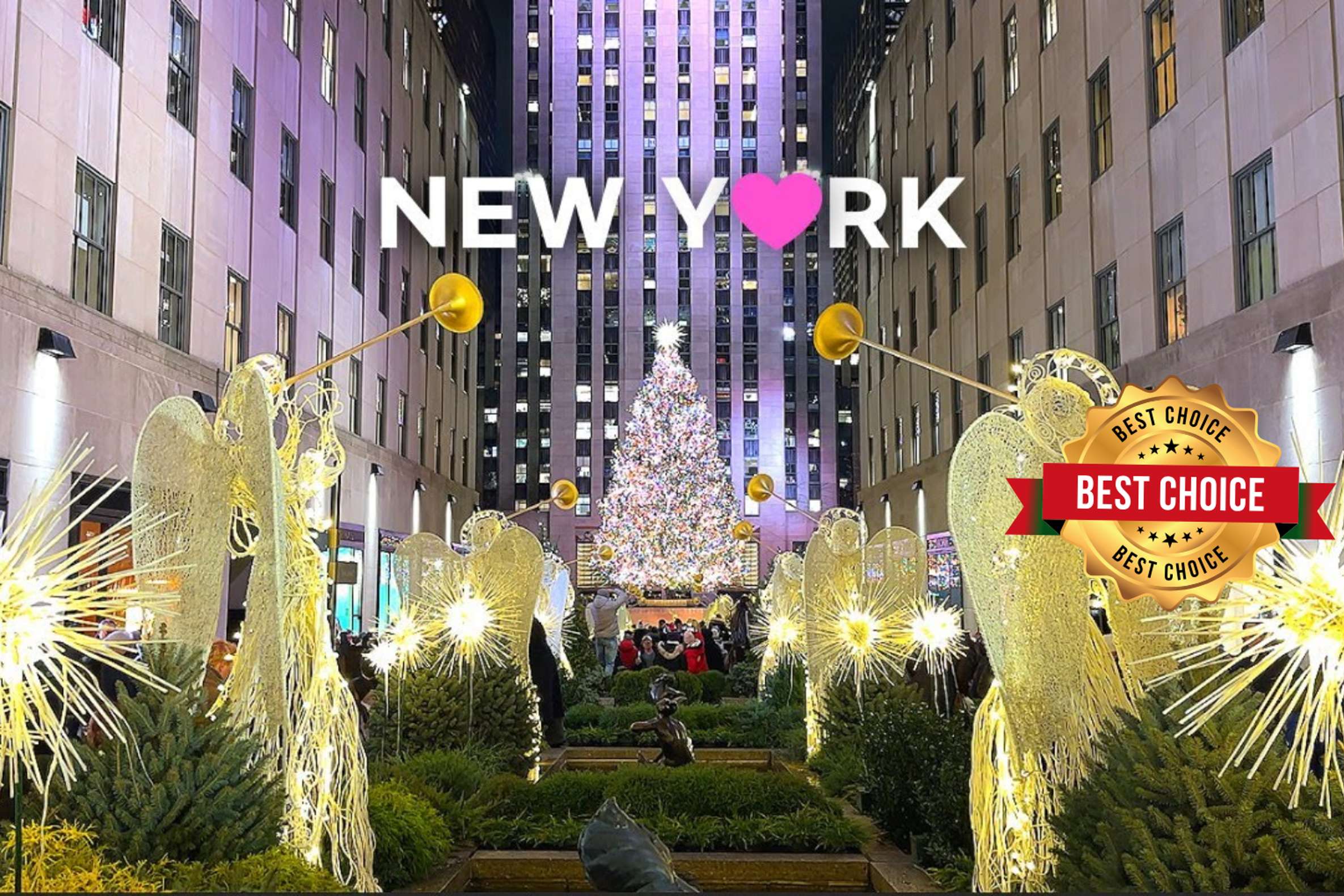
The ride ends at the southern edge and the evening does not have to.
The Columbus Circle Holiday Market sits at the park's southwest entrance and runs from late November through December 24, free to walk through with no tickets, about fifteen minutes on foot from Times Square. The 1, A, B, C and D trains stop right there.
When the cold wins, go indoors without losing the lights. The Shops at Columbus Circle suspend illuminated stars, about 14 feet across, above the atrium, which makes a warm half hour with hot drinks after an open-air ride. First-timers usually walk past the entrance without knowing it is there.
Farther afield, Bryant Park's Winter Village pairs a market with free-admission ice skating, and Union Square runs the city's largest holiday market with more than 175 vendors, both a short subway hop away.
Closer in, the park's own sights, the Obelisk, the Temple of Dendur, the Great Lawn, fill an afternoon if the ride leaves you wanting more green.
A handful of those sights sit minutes from where the rides run.
Pair the market with an early dinner and the evening lands complete without a second ticket.
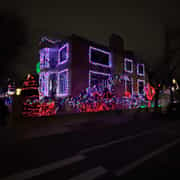
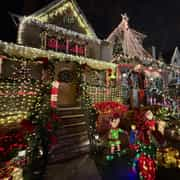
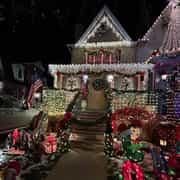
For sheer density of lights, Dyker Heights stands in its own league: professionally installed displays on ordinary houses, block after block, with tens of thousands of bulbs per lawn.
Midtown's corporate lights and store windows belong to a different category altogether. If the wall of lights is what you came for, this site's page on the best Christmas lights in Brooklyn covers the houses themselves.
Getting there is the cost. Dyker Heights sits far from Midtown, and the round trip runs about 4 hours door to door, with roughly an hour of walking on cold, hilly sidewalks once you arrive, because the lit houses cannot be seen from a bus window.
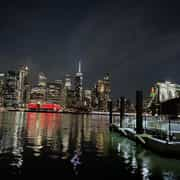
That is exactly why a guided tour earns its keep: the NYC: Dyker Heights Christmas Lights Bus Tour & Skyline Stop carries you from Midtown by heated bus, walks you through the best-lit streets with a guide, and stops at Brooklyn Bridge Park for the skyline on the way home.
The walking-tour version pairs the tree and the rink with the Brooklyn lights in one evening.
One date rule closes the plan, and it catches people every season.
So book early in the season, or at least before the first week of January, and the dense displays stay on your itinerary rather than in next year's plans.
Central Park at Christmas rewards the traveler who wants a lit rink, a skyline backdrop and movie scenes under real park lamps, best seen from an open pedicab in the late-afternoon slot.
Go expecting a quiet, festive ride, and dress as if you will sit still in the wind for an hour. For sheer light density, the bus to Brooklyn takes over from there.
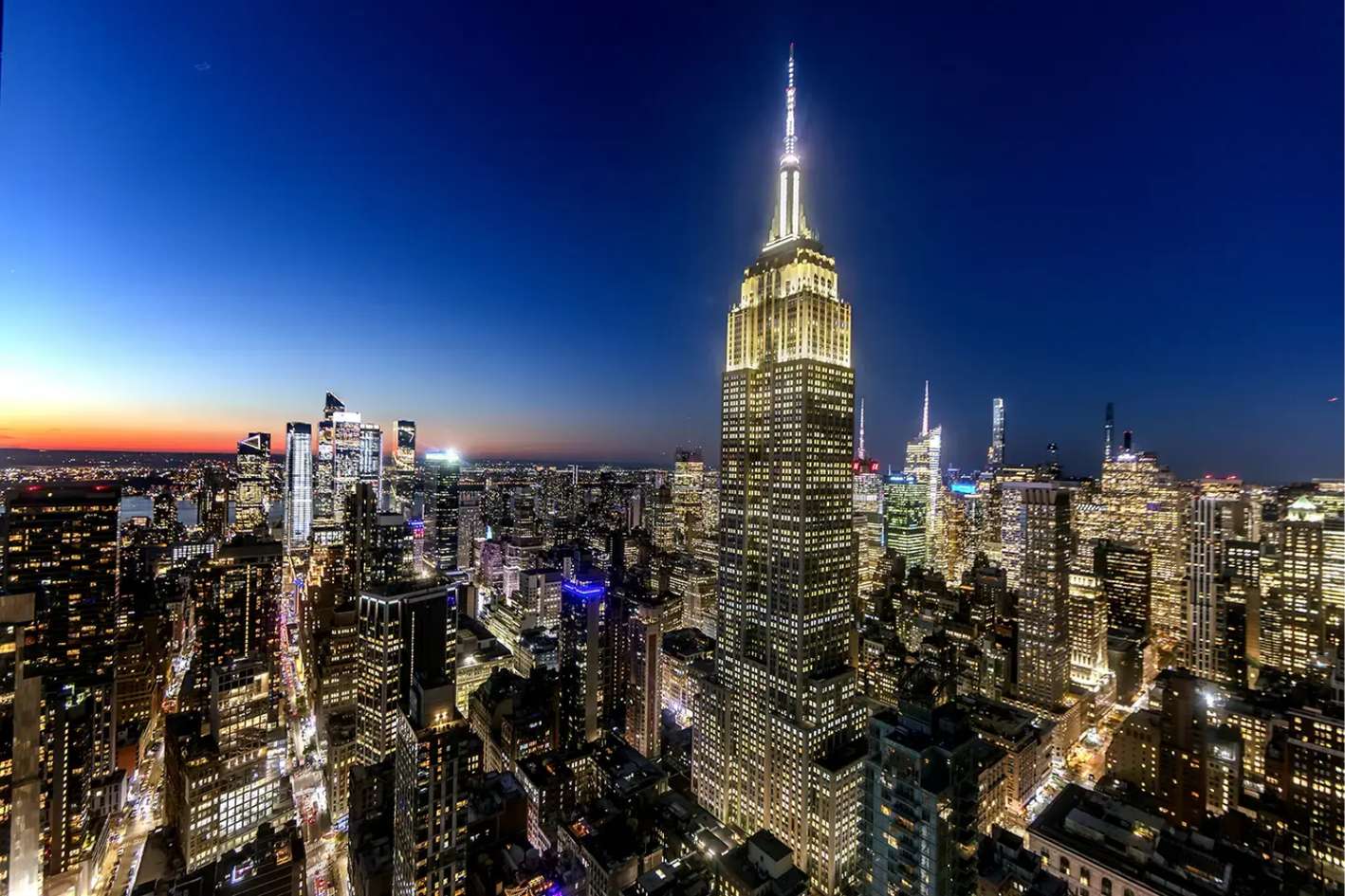
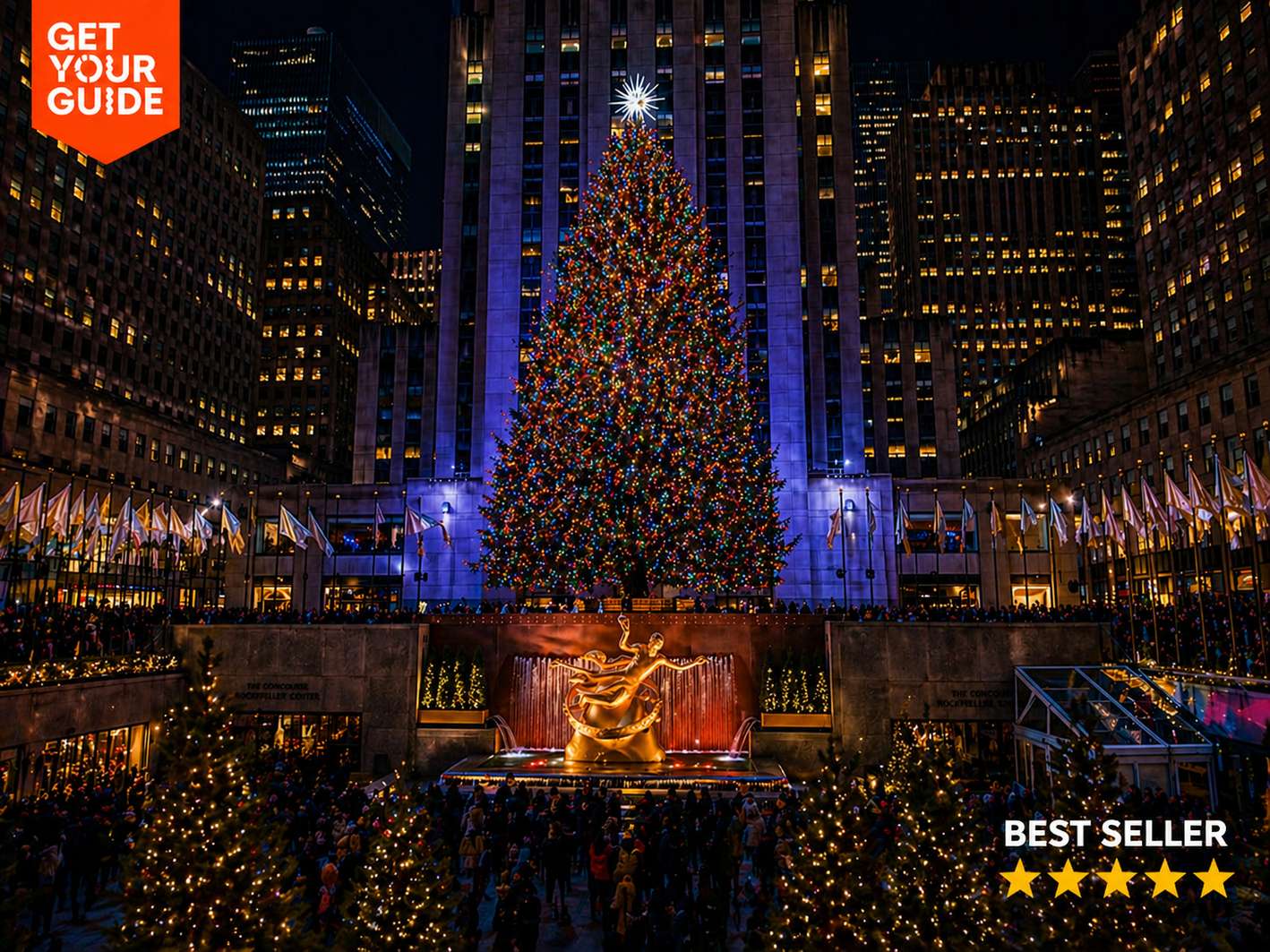
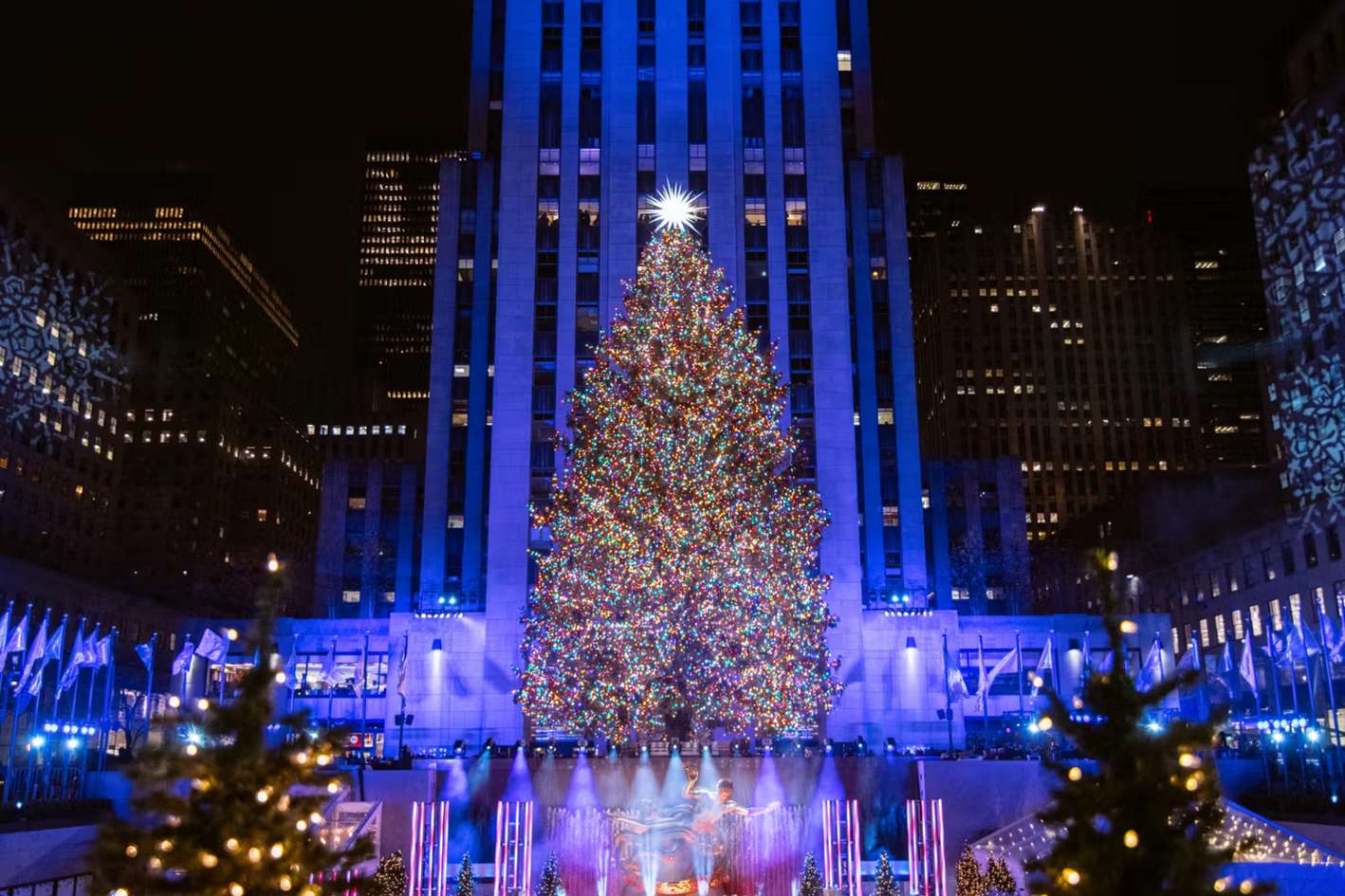
The city's most famous tree lights up the Wednesday after Thanksgiving and stays lit through early January.
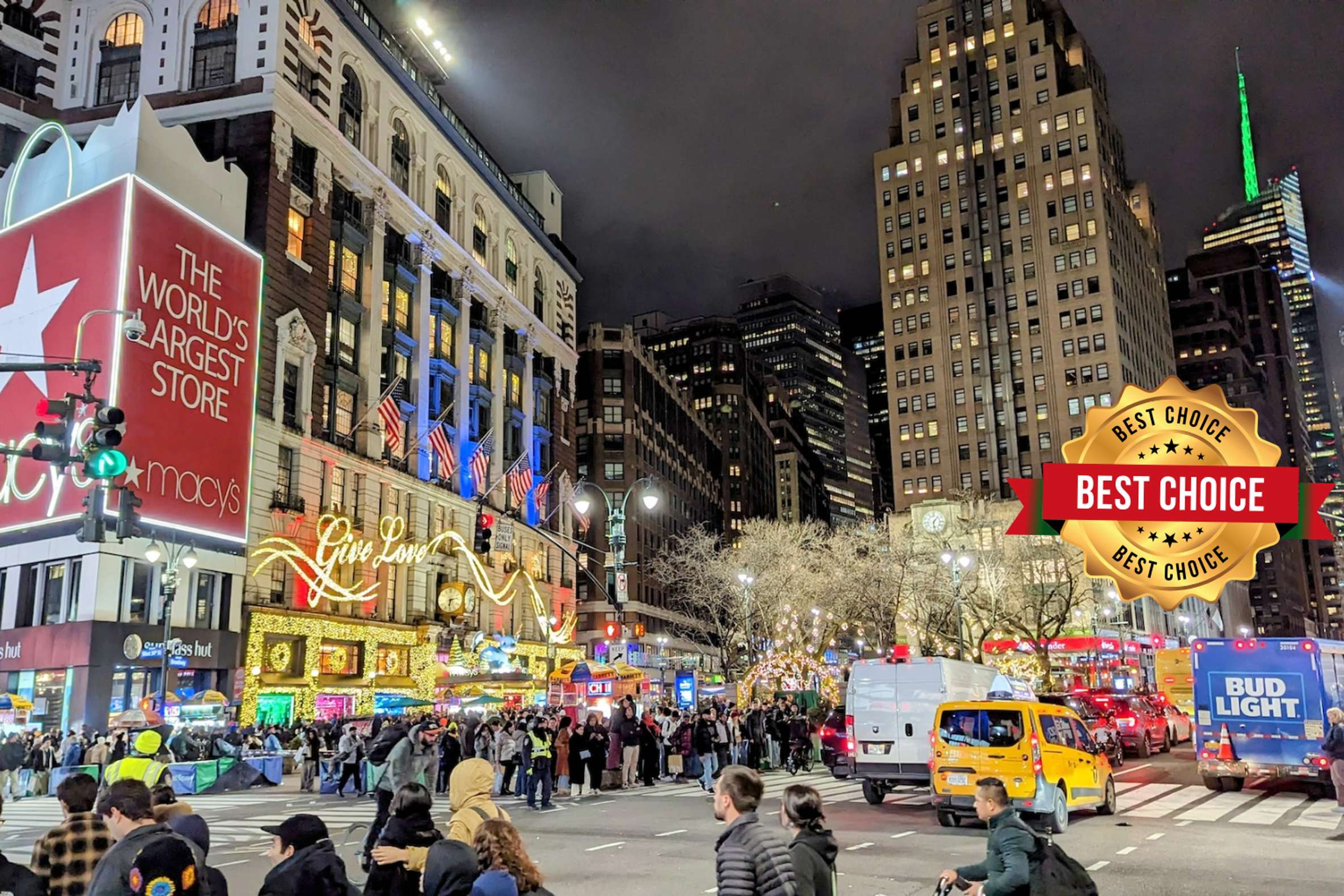
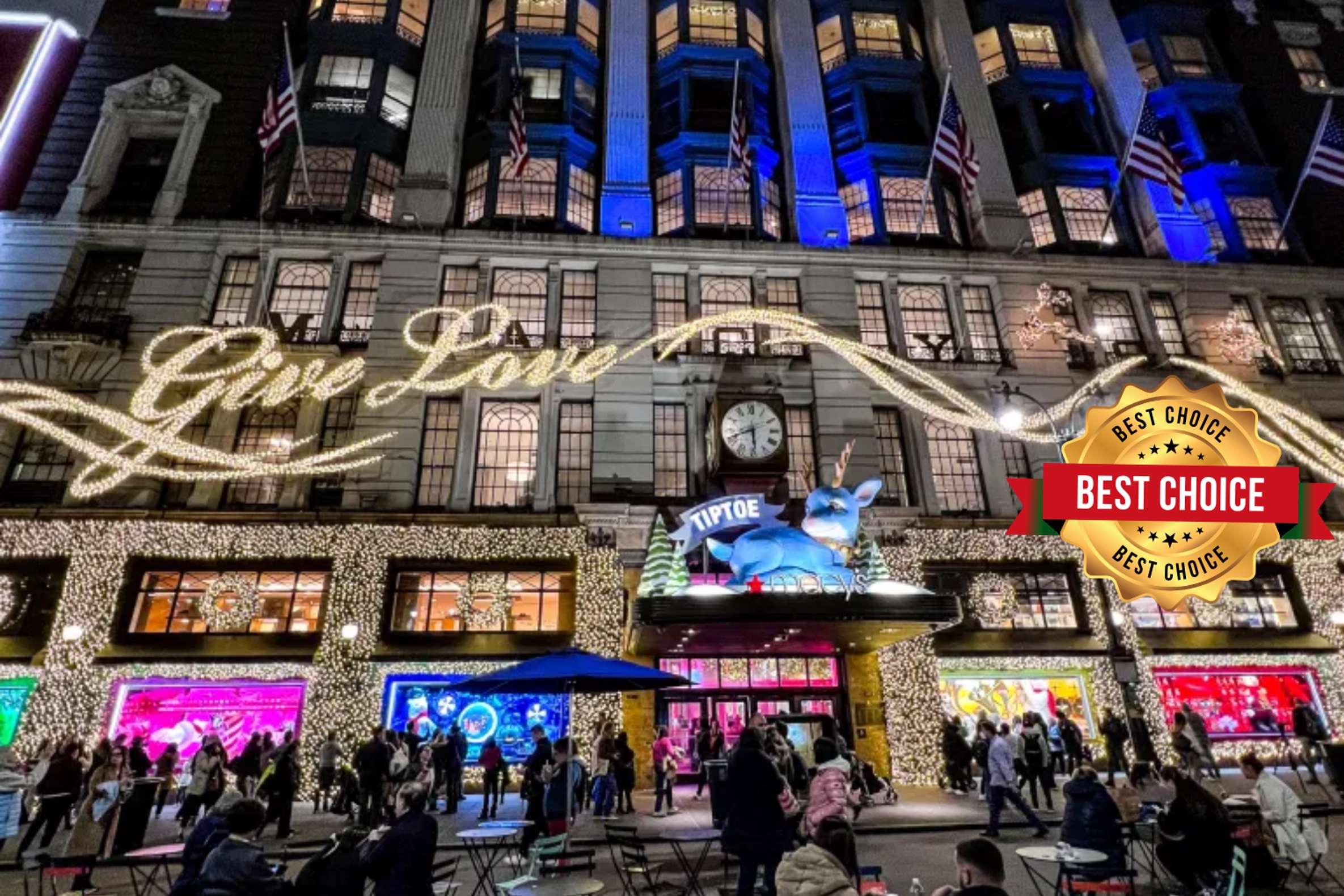
Read the guideOne department store facade replays its light show every 10 to 15 minutes, and the avenue's windows need no tickets.
Read the guideBrooklyn homeowners light their houses the weekend after Thanksgiving, and the densest blocks sit between 11th and 13th Avenues.
Read the guideWalking tours range from a 1.5-hour stroll through Dyker Heights to a 5-hour route joining Midtown with Brooklyn.
Read the guideThe nearest drive-through course sits about 62 miles from Manhattan and plays music through your car radio.
Read the guideCentral Park's holiday glow lives at Wollman Rink, the Harlem Meer flotilla and lit skyline views. The pages below cover every other kind of display, and the right one depends on how much walking and travel you want.
One giant tree, switched on once and lit every evening after
The plaza tree stays dark until the Wednesday after Thanksgiving, when a switch flips around 10 pm and the square fills with light.
From then through early January it burns from 5 am to midnight every day, and nobody charges you to stand under it. Come before 11 am on a weekday and you get it nearly to yourself.
Ceremony night is a different animal. Barricades close the streets from 46th through 52nd, viewing spots fill hours ahead, and walking slows to five minutes a block. If your trip dates line up, go for it; if not, the tree waits for you every evening.
A facade light show and dressed-up windows, repeated all evening
One Fifth Avenue department store projects its light show high on the facade, starting around 4:30 pm and repeating every 10 to 15 minutes until late. Because it runs up the whole building, sidewalk crowds cannot block it. The store windows between 34th and 59th Streets need no tickets and no reservations.
Weekday mornings let you study the window details while the sidewalks stay walkable, though the facade show waits for dark. Evening crowds pile up between 7:00 and 9:30 pm; after 9:30 they thin out and the shows keep running.
Private houses dressed in tens of thousands of lights, block after block
Dyker Heights puts decorated private houses on ordinary residential streets, and the displays switch on the weekend after Thanksgiving. Homeowners start turning them off between 9:00 and 10 pm, so plan to arrive by dusk and stay a few hours.
Bus tours from Manhattan run about 4 hours round trip. The houses cannot be seen from a bus window, so expect 45 minutes to an hour of walking on cold, hilly sidewalks. That walking is exactly why the displays land so close: you stand a few feet from the lawns and the giant Santas.
4.5 - 5 hours · ★ 4.7 (40)New York City: Dyker Heights Christmas Walking TourFrom $45 4 hours · ★ 4.7 (1,203)NYC: Dyker Heights Christmas Lights & Skyline View Bus TourFrom $69 4 hours · ★ 4.6 (2,450)From Manhattan: 4-Hour Dyker Heights Holiday Lights Bus TourFrom $63 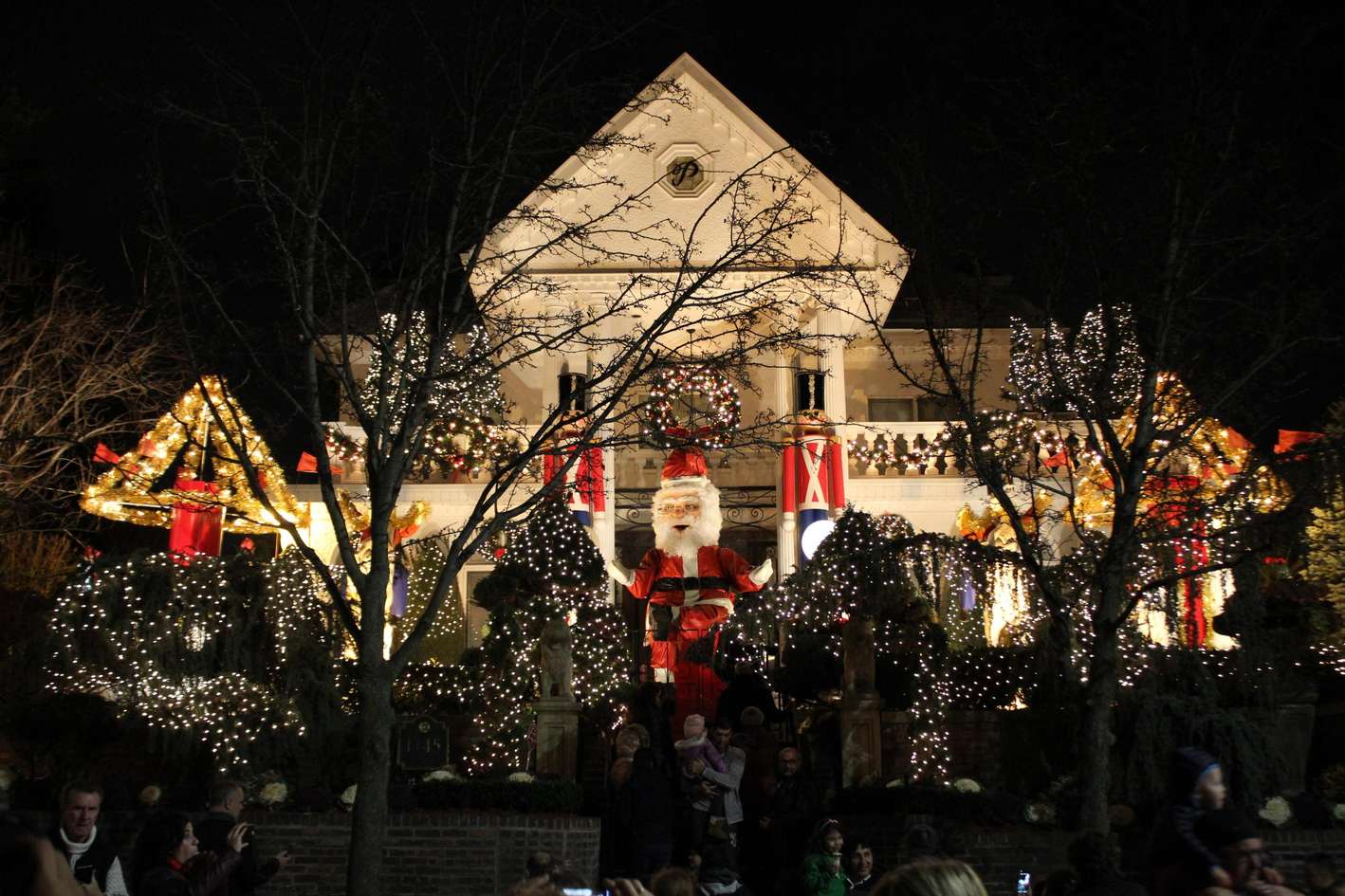 4 hours · ★ 4.6 (1,008)From Manhattan: Dyker Heights Lights Tour with Skyline ViewsFrom $49
Street-level photos and stories, led by a guide who knows the blocks

A walking tour puts you at street level, camera out, with a guide who knows which houses and corners matter. Some routes begin at the Midtown tree and rink and ride the subway out to Brooklyn; others stay in Dyker Heights for 1.5 to 3 hours across 2 to 3 miles on foot.
Cold decides this one. Expect temperatures somewhere between 25 and 40°F for the whole outing, and remember the lights start shutting off around 9 pm, so most walks run through the early evening. Midweek evenings give you the most room on the sidewalks.
3 hours · ★ 5.0 (3)Dyker Heights: Walking Tour of Thousands of Holiday LightsFrom $47 4.5 - 5 hours · ★ 4.7 (40)New York City: Dyker Heights Christmas Walking TourFrom $45 4 hours · ★ 4.7 (1,203)NYC: Dyker Heights Christmas Lights & Skyline View Bus TourFrom $69  3.5 hours · ★ 4.6 (29)NYC | French guided tour of Christmas in BrooklynFrom $79
A mile of synchronized lights from the warmth of your own car

Dedicated drive-through light shows sit outside the city. The closest runs in Sussex County, New Jersey, about 62 miles from Manhattan, where a mile-long course takes roughly 30 minutes and music plays through your radio. Everyone stays warm, and tired children can fall asleep mid-show.
The cost is driving time: allow about 88 minutes each way without traffic, longer on December evenings. No drive-through course exists inside New York City itself, and taking a car into the Brooklyn light blocks just means gridlock and closed streets.
A citywide shortlist of the best spots to see holiday lights, from park corners to whole neighborhoods.
The exact date the big Midtown tree gets switched on, plus when the plaza is open and busy.
The Fifth Avenue light show schedule, when the windows change, and the calmest hours to walk by.

The Brooklyn blocks where homes compete with tens of thousands of lights, and how to tour them.
A walking route that strings together holiday windows, markets, and lit landmarks on foot.
Drive-through light shows near the city you can enjoy from a heated car instead of the sidewalk.
What readers ask before booking a festive ride: how the park dresses for the season, what a ride involves, and where the big lights really are.
 New York City2026
The park gets a light holiday dressing. Wollman Rink glows beneath the Midtown skyline, a holiday market sits at the Columbus Circle entrance, and a flotilla of illuminated trees floats on the Harlem Meer. The interior paths keep their ordinary lamp posts, and no string-light show runs through the woods.
Yes. Horse-drawn carriage rides run in the park year-round, and the holidays are their busiest stretch, so walk-up visitors often queue. On bitter days, city rules send the horses back to their stables when the temperature hits 18°F (−8°C) or lower.
City law caps carriage fares and requires the rate on a sign on each side of the cab, charged per trip. Ask the driver for a receipt and you must get one, which keeps the haggling at Central Park South to a minimum.
The Christmas movie pedicab tour passes Wollman Rink, the spot Harry and Marv stake out in Home Alone 2, and rolls on to Midtown stops like the Rockefeller Center tree, St. Patrick's Cathedral, and the Saks Fifth Avenue windows. A guide tells the film stories along the way, and hot drinks come included.
Pedicabs cover more of the park and reach spots carriages skip. A one-hour ride takes in the southern half, from the Carousel and the Mall to Bethesda Fountain, Bow Bridge, and Strawberry Fields. Longer rides push north to Belvedere Castle and the Reservoir.
City law caps each pedicab at three passengers, children included. Operators also enforce an equipment limit on combined passenger weight, so a larger group splits across two cabs and rides together through the park.
December evenings in the park run from around 44°F down to freezing, and sitting still in an open cab makes the wind bite. Dress in a thermal base layer, a sweater, and a windproof coat, plus a warm hat, gloves, a scarf, and waterproof boots.
The pedicab tour operates in all weather, so a light snowfall just adds atmosphere as long as you dress for it. Pedicabs have no set cold-weather cutoff, and the city can ground rides only during declared emergencies.
Central Park keeps its holiday charm low-key, while Dyker Heights in Brooklyn packs hundreds of homes with professional light displays across several blocks. Guided bus tours from Manhattan handle the trip and give you about an hour walking among the decorated houses.
The park stays open 365 days a year, from 6 am to 1 am. On Christmas Day, Wollman Rink runs holiday skating hours from 9 am to 10 pm, and the zoo and Conservatory Garden open as usual during the day.
Holiday demand fills the Christmas movie pedicab tour quickly, so booking ahead is wise, and you can cancel up to 24 hours before for a full refund. December evenings are cold, so pick a date, dress warmly, and let the guide do the navigating.
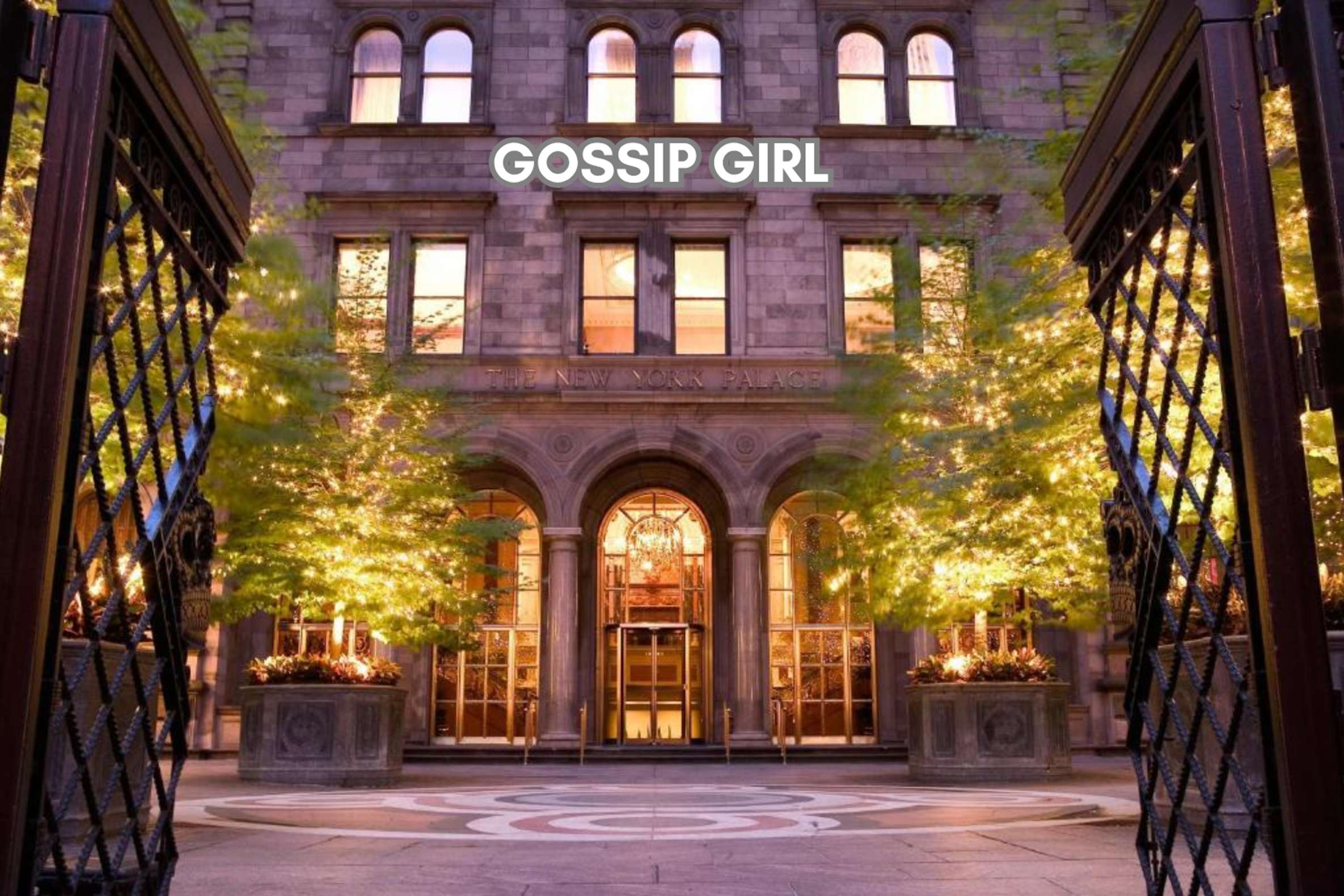
Roll past the Rockefeller tree and Wollman Rink from Home Alone 2 on a 1.5-hour holiday ride, with free cancellation up to 24 hours ahead.