
4.5 - 5 hours·Italian, English
4.7(40)
New York City: Dyker Heights Christmas Walking Tour
Free cancellationExploration of Dyker HeightsStory of Lucy Spata

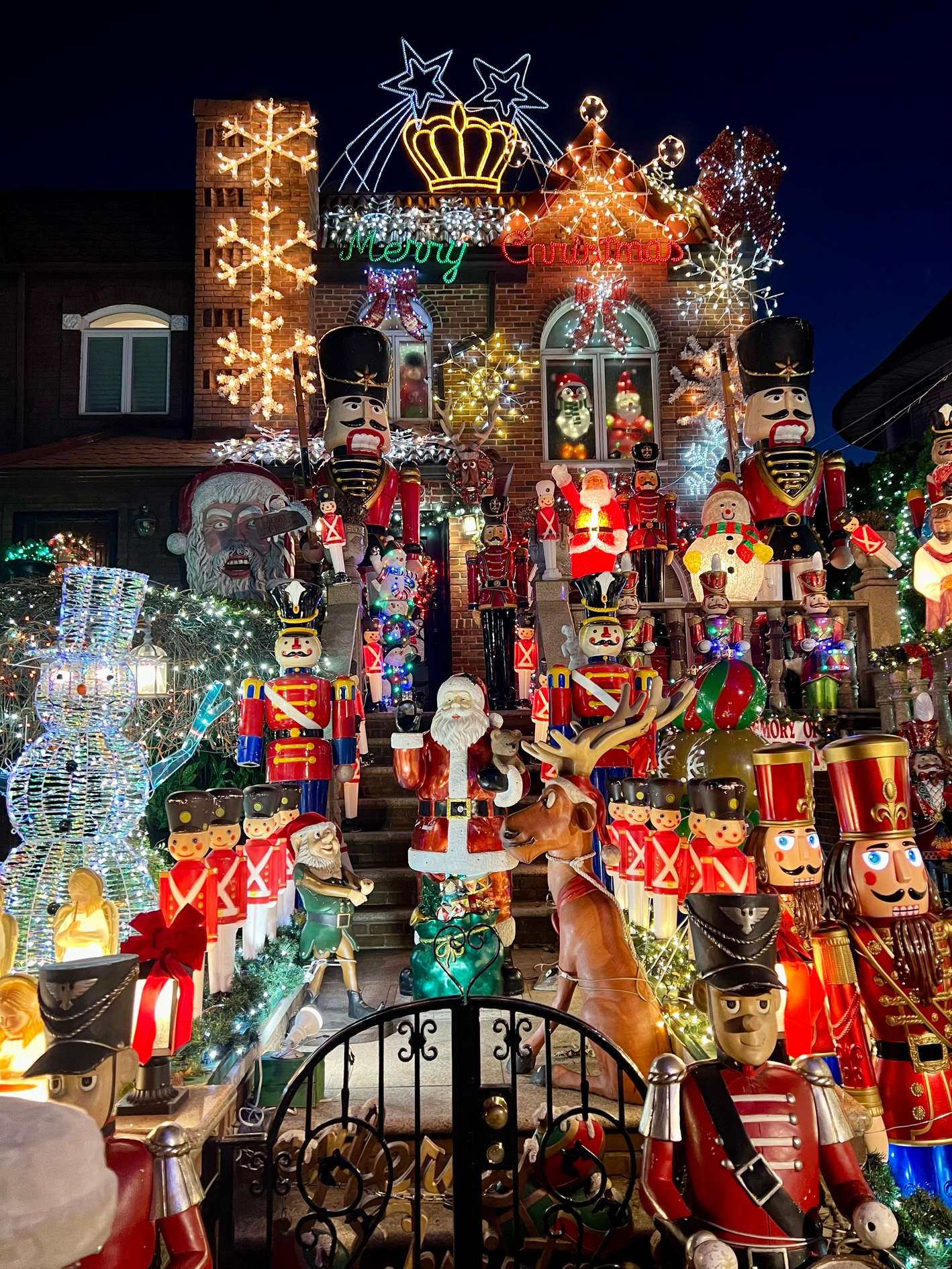
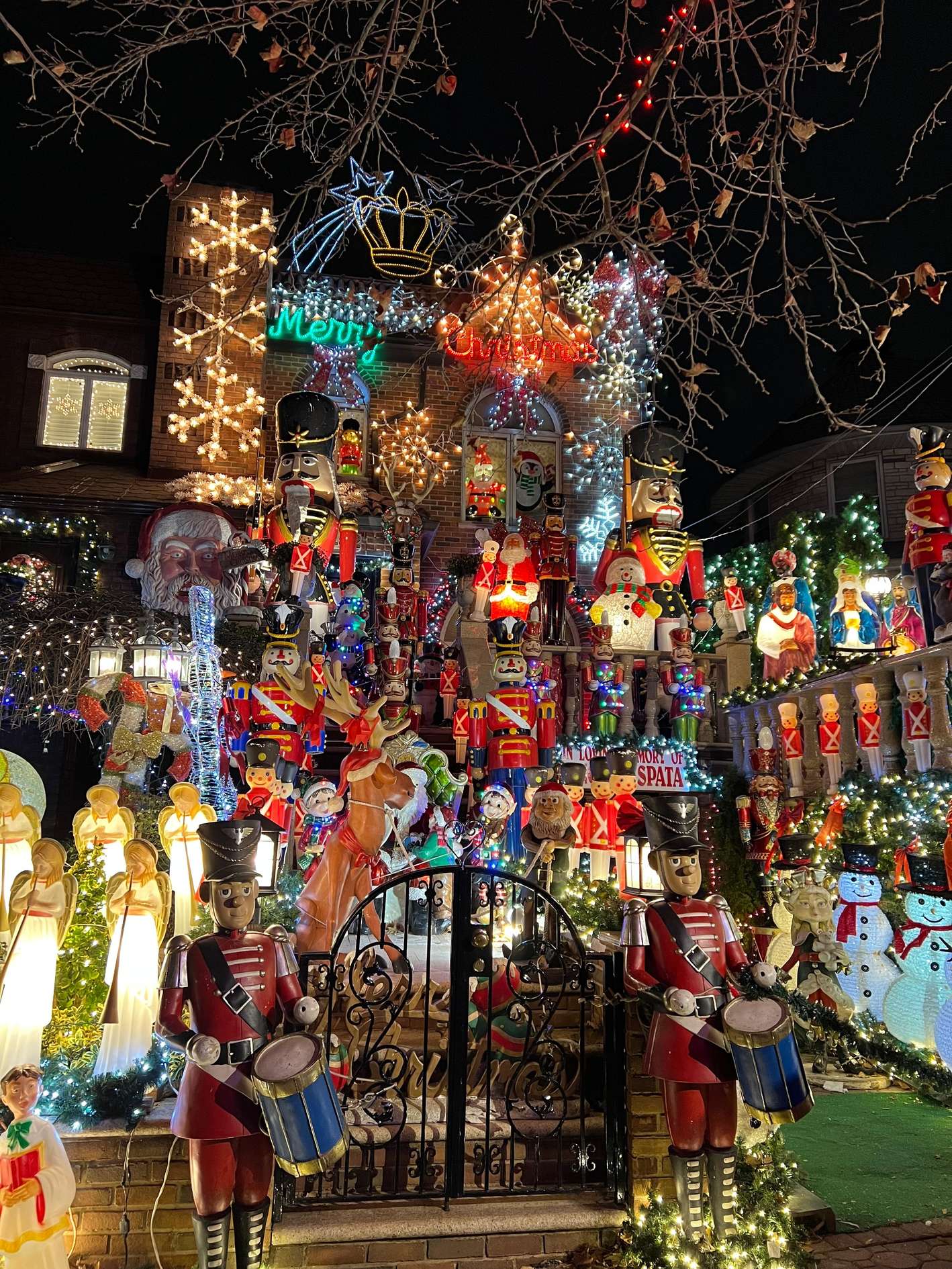
Skip the freezing subway and see Brooklyn's famous house lights the easy way. Ride a heated coach from Midtown Manhattan straight to Dyker Heights, walk the most decorated blocks with a local guide, and finish with a photo stop at the Manhattan skyline. Guides share the stories behind every display, so you find Lucy Spata's house and the brightest streets without a wrong turn. Book your seat before December weekends fill up.
"A really lovely outing! Our guide Stefan, or should I say Michael, haha, was great. Honestly, everything was wonderful and I can only recommend it."


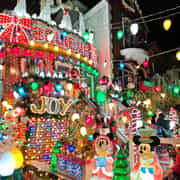
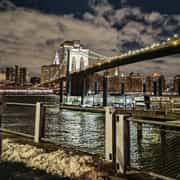


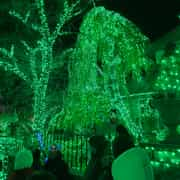
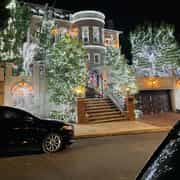
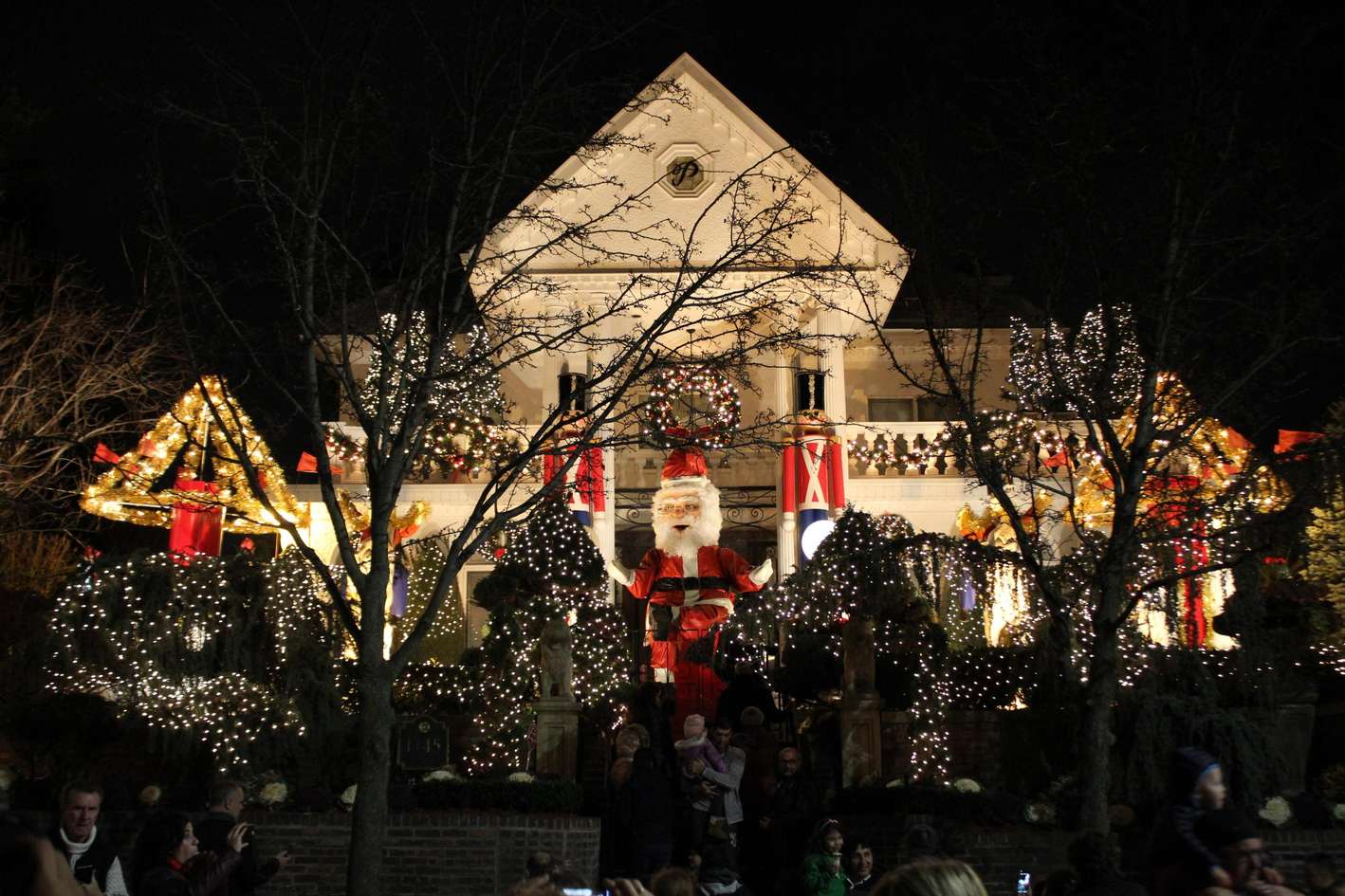


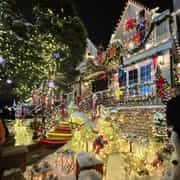
The most famous decorated houses in New York sit on ordinary residential blocks in Dyker Heights, and the biggest ones go dark by 10 pm. Arrive at dusk on a midweek evening and the whole night falls into place; arrive late on a Saturday and it barely gets started.
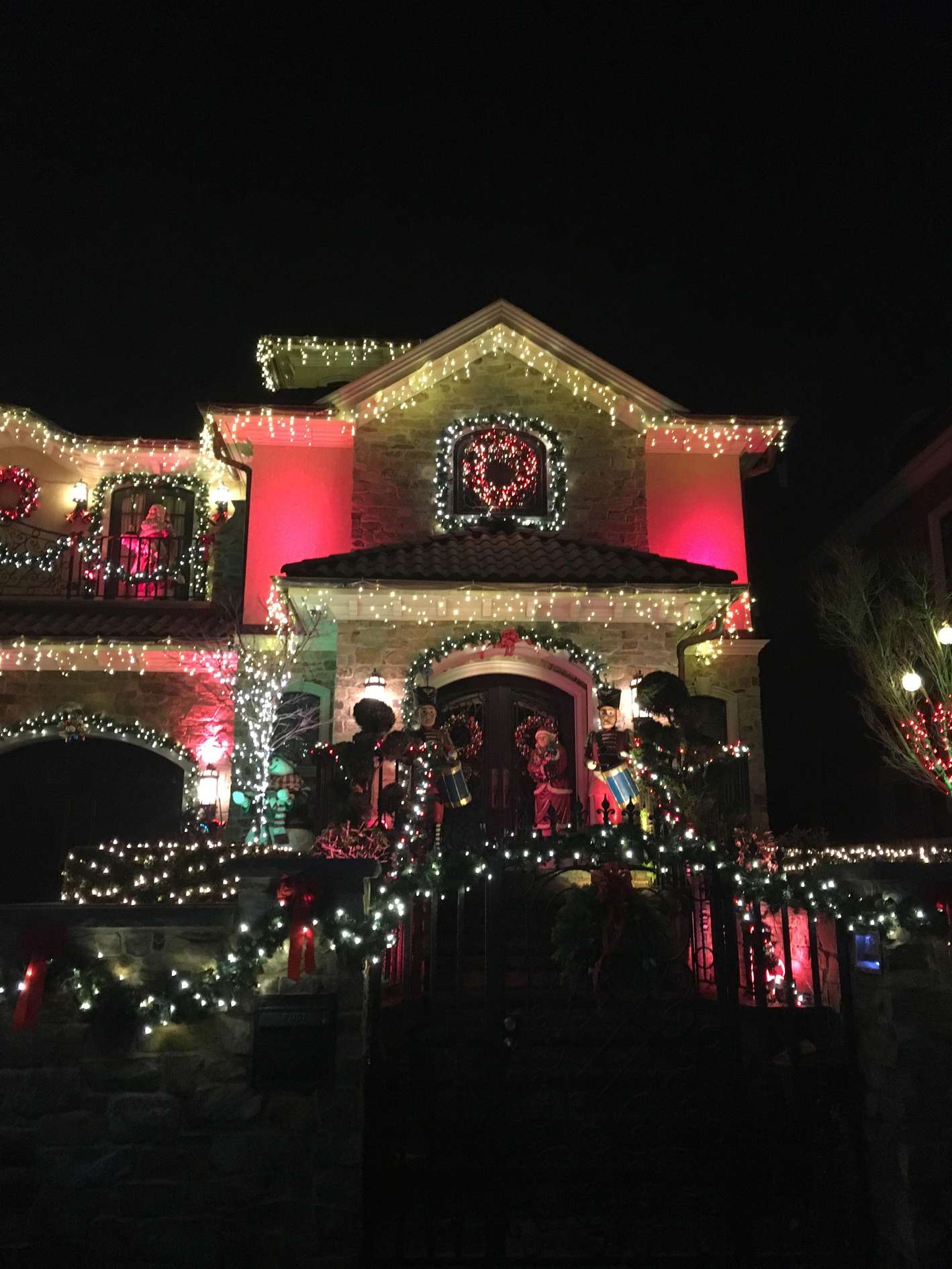
Dyker Heights is the main event: free house lights clustered on 11th to 13th Avenues between 83rd and 86th Streets.
Displays turn on at dusk around 4:30 pm, and the biggest homes start going dark between 9 and 10 pm.
A heated bus tour from Manhattan takes about four hours door to door and books out two weeks ahead on December weekends.
The subway works too: the R train to 86th Street, then a 15-to-20-minute uphill walk in the cold.
Dress in full winter layers; the blocks have no restrooms, no benches, and nowhere warm to duck into.
Book an early evening tour or arrive around dusk between 4:30 pm and 6 pm, when the lights come on and the sidewalks are still walkable. If you visit after 9 pm, expect thinner crowds but fewer lit houses, and plan to walk the core blocks first.
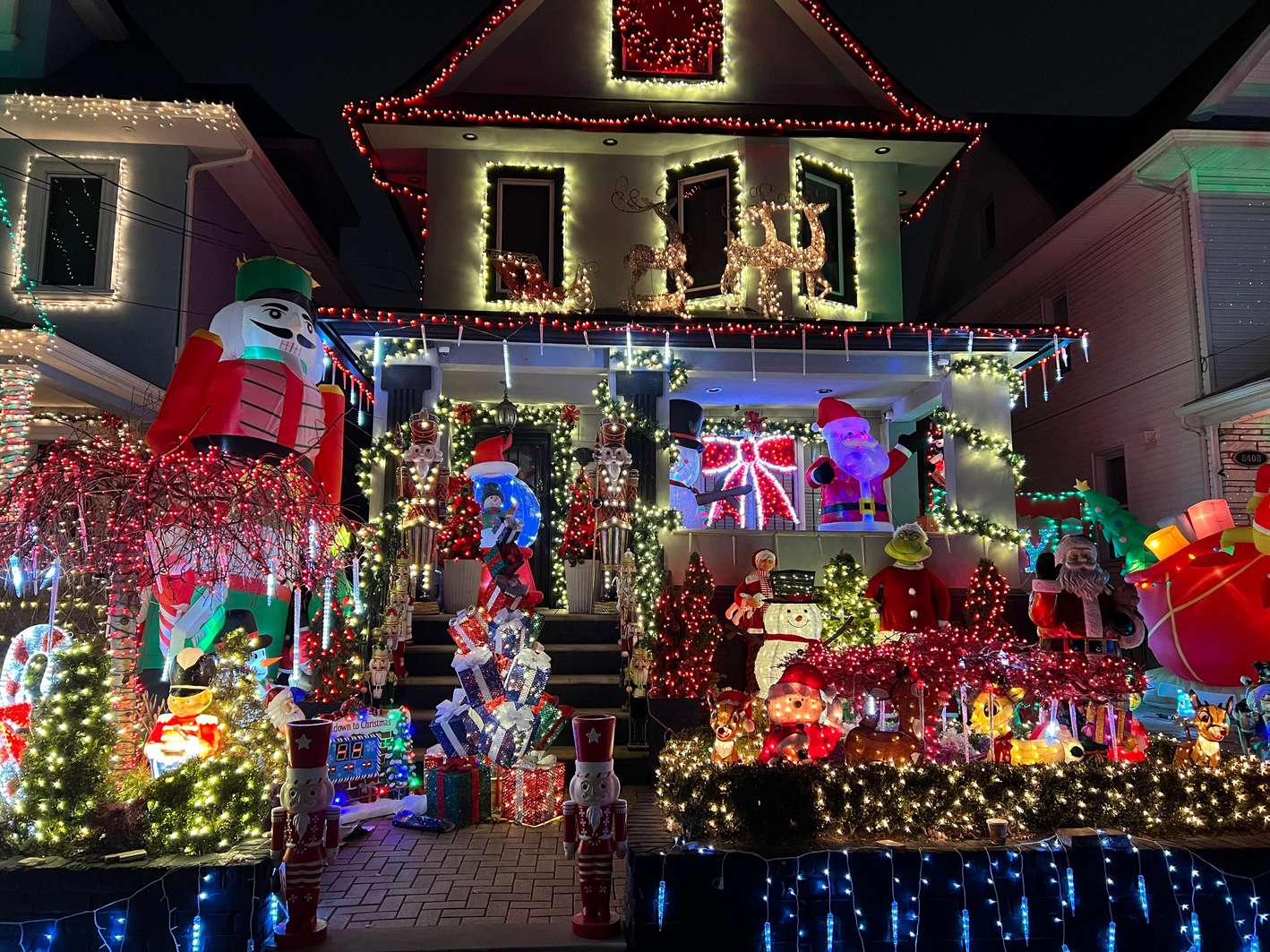
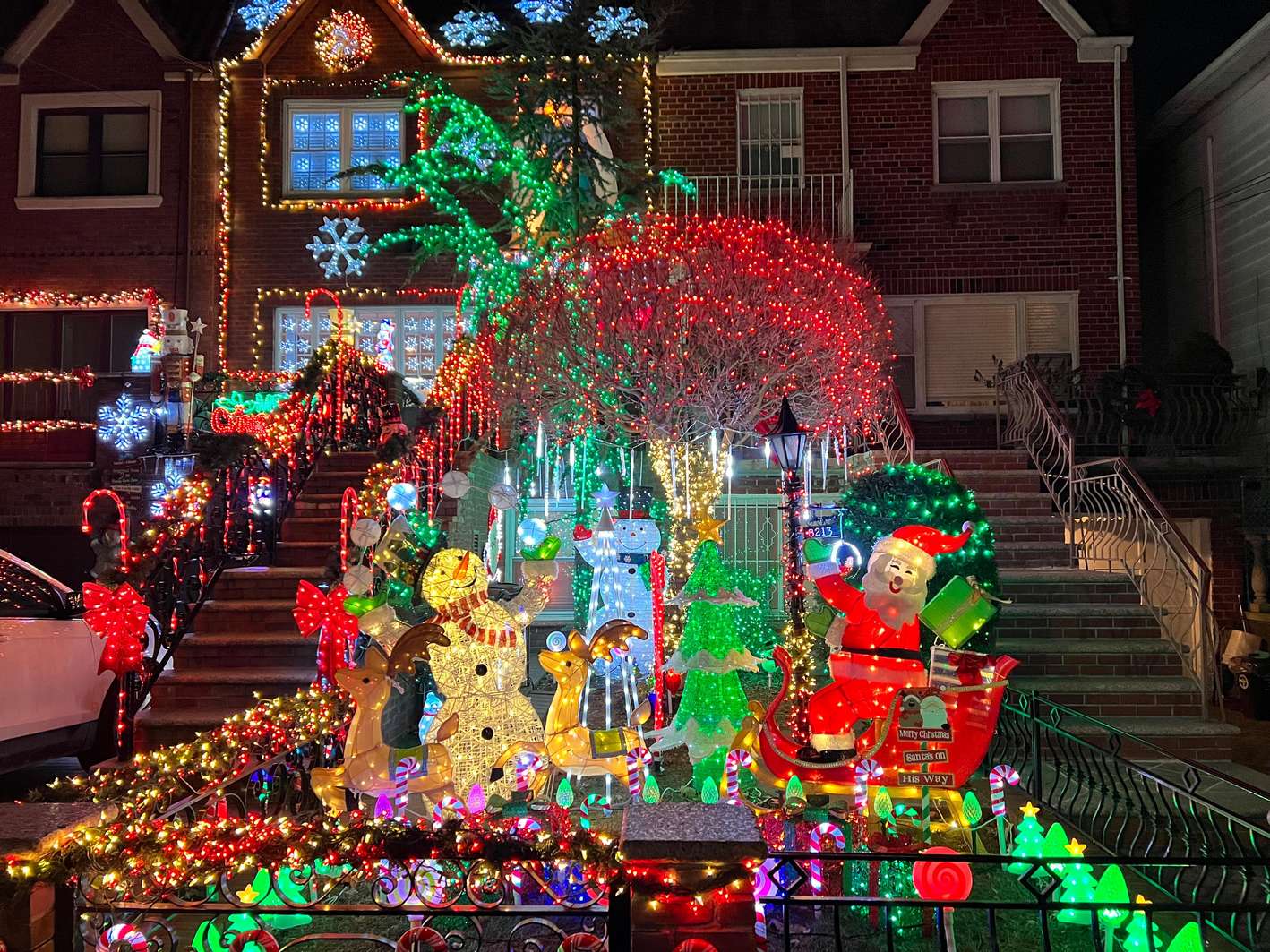
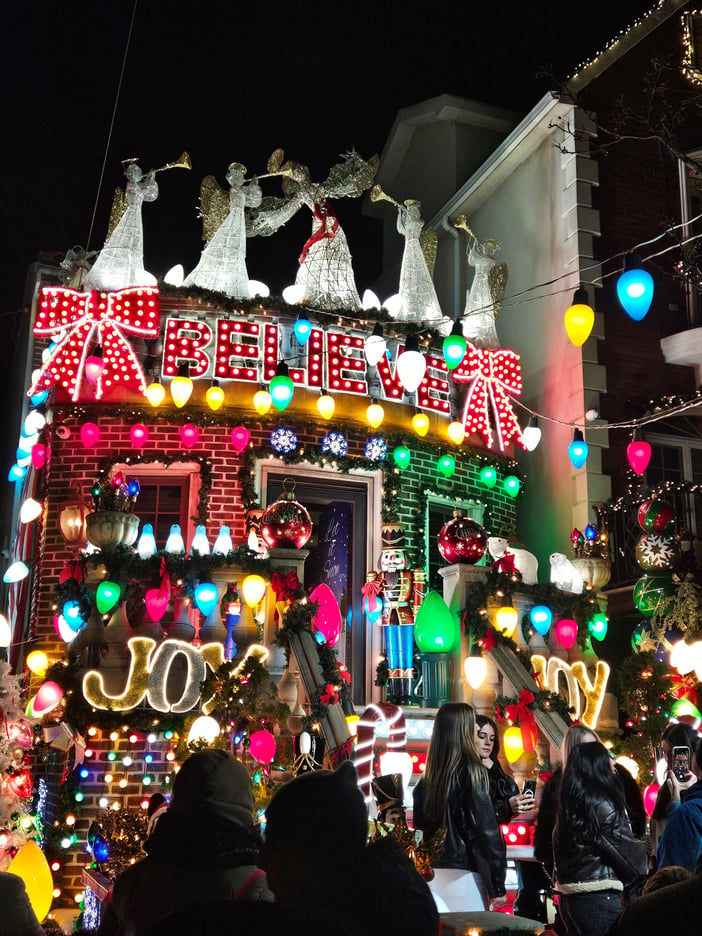
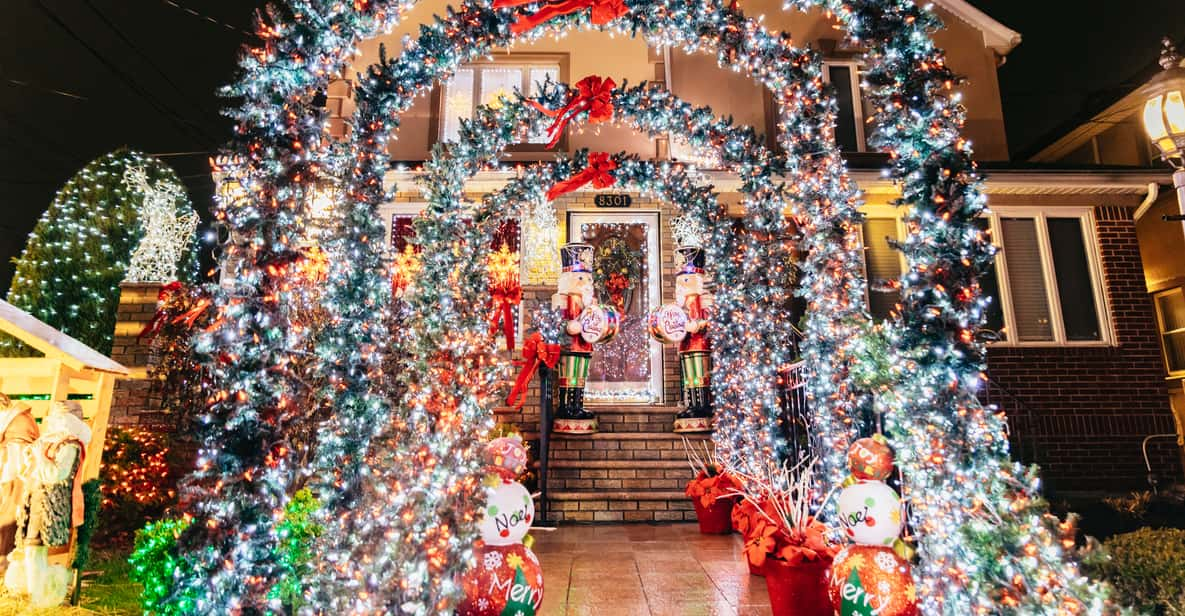
One neighborhood answers the question, and it is Dyker Heights. A hundred or more homes there blanket roofs, lawns, and fences with inflatables, animatronic figures, and tens of thousands of lights, paid for by the homeowners themselves in a friendly contest with the neighbors. The biggest displays cost their owners a small fortune every December.
On a map, the borough splits into four worthwhile stops. Dyker Heights carries the massive house lights. The DUMBO waterfront adds animated projections, trees wrapped in twinkle lights, and the skyline across the river. The botanic garden runs a ticketed walk-through light trail, and southeast Brooklyn hides a few single-house spectacles.
DUMBO comes second, and it is a different animal: projections thrown nightly onto the Manhattan Bridge and building facades, lit sidewalk trees, and the skyline doing the real work across the river. Brooklyn Botanic Garden runs its ticketed trail as a third option.
Southeast Brooklyn holds the outliers. Mill Basin's waterfront mansions run robotic, music-synchronized displays, and a single house at Flatlands Avenue and East 93rd Street has a custom animated setup with a life-size Santa and a full reindeer stable.
Dyker Heights remains the heart of Brooklyn's holiday lights; the rest are add-ons or reasons for a second trip.
The choice turns on three things: a ticket, an arrival time, and the ground under your feet. Dyker Heights is free public street, no booking, best hit at dusk between 4:30 and 6 pm, and it asks you to share narrow, hilly sidewalks with everyone else.
DUMBO costs nothing either, runs its projections from 4 pm to 11 pm, and sits one subway stop from Manhattan, though the old cobblestones are uneven.
The garden trail is the only one with a ticket and a timed entry, and the only one with a flat, wheelchair-friendly path.
The three options line up like this:
| Dyker Heights | DUMBO Waterfront | Garden Lightscape | |
|---|---|---|---|
| Display style | Massive residential house lights | Projections, lit trees, skyline | Ticketed one-mile light trail |
| Best arrival | Dusk, 4:30 to 6 pm | Sunset to 11 pm | Timed 15-minute entry window |
| Transit from Manhattan | R or D train, then a long walk | One subway stop | No subway at the garden |
| Crowds | Narrow hilly sidewalks at peak | Weekday evenings quietest | Capped, staggered entry |
| Walking surface | Hilly residential sidewalks | Uneven cobblestones | Flat, accessible path |
Families with strollers or wheelchair users often find the garden trail the easiest night out of the three, since entry is staggered in 15-minute windows and crowds stay capped. Anyone chasing the over-the-top lawn spectacle the television shows belongs in Dyker Heights, and dusk is the arrival time that decides the evening there.
The core of the display sits between 11th and 13th Avenues from 83rd to 86th Streets, with the densest cluster on 82nd to 84th Streets.
Start on 84th Street, where the two most famous houses face each other almost directly across the road.
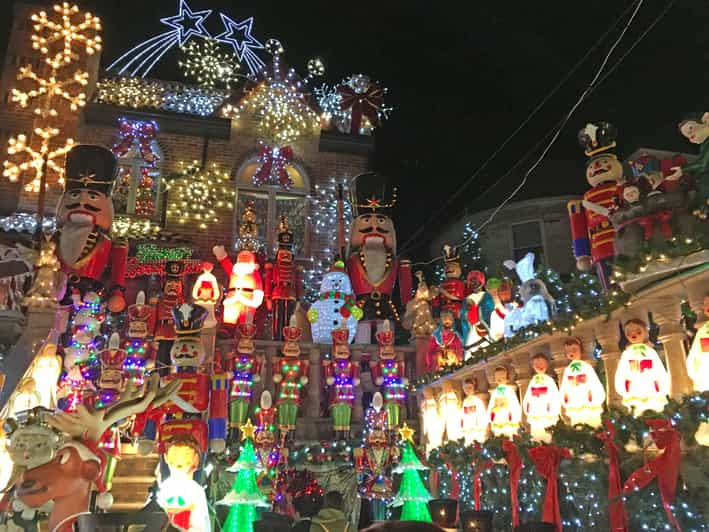
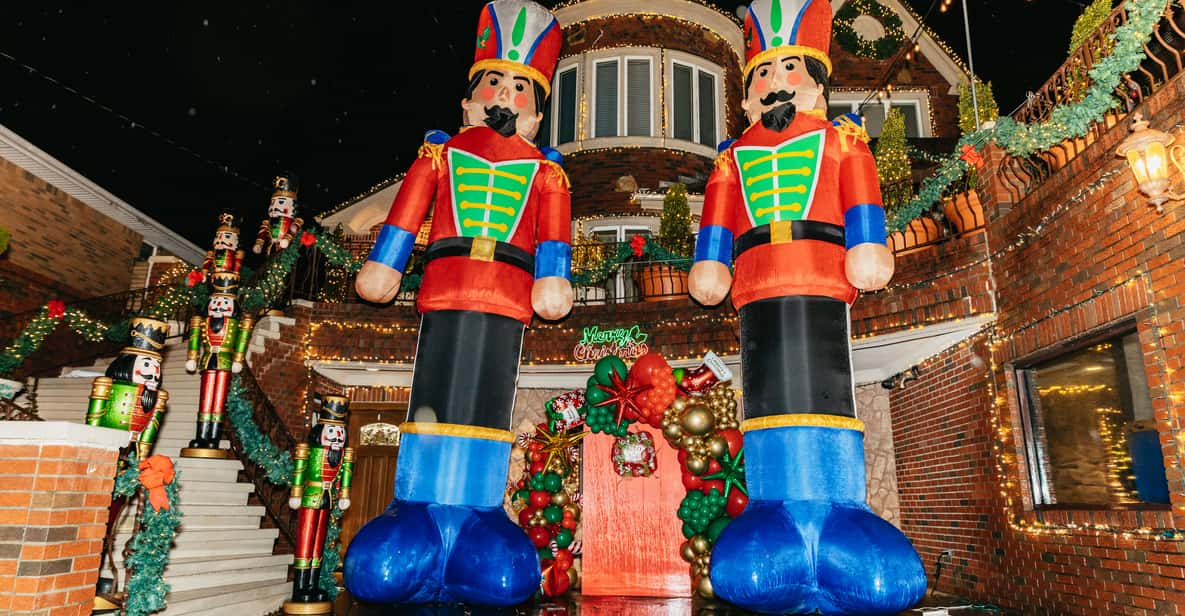
Lucy Spata's home at 1152 84th Street started the whole tradition in the 1980s, and she decorates it with glowing angels every year in memory of her mother. Across the street, Florence Polizzotto's place at 1145 84th Street has run an animatronic Santa, 30-foot-tall nutcrackers, and miniature amusement rides.
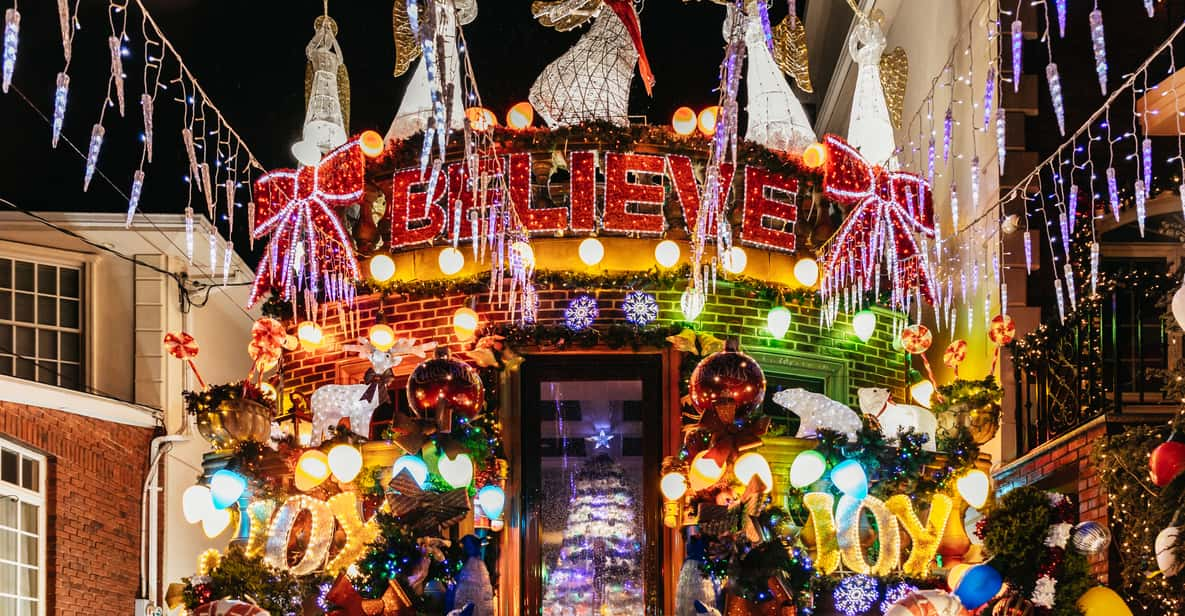
Then go hunting. The Forest of Lights at 1134 83rd Street wraps its front trees in color from trunk to tip, the Mangano house at 1023 83rd Street spells out Believe and Joy in illuminated signs, and the Let It Snow House at 8401 10th Avenue runs an actual snow machine most nights.
The addresses are what stop you from wandering the wrong blocks.
These are private homes. Stay off the lawns, keep noise down, don't block driveways, and photograph from the sidewalk. Some houses collect charity donations through boxes or QR codes.
Glowing angels each year, in memory of her mother; the house that began the tradition in the 1980s
Animatronic Santa, 30-foot nutcrackers, miniature rides; faces the Spata house
The Forest of Lights, trees wrapped from top to bottom
The Let It Snow House, with a working snow machine at night
Knowing those four addresses in advance turns a wander into a plan. Walk 84th Street first while the crowds are thinnest, then branch onto 83rd and the avenues off it as the evening fills up.
The lights run on the homeowners' timers, and there is no official switch-on date to consult. Displays reliably launch the weekend after Thanksgiving, though that first weekend only about one house in five is lit.
From dusk around 4:30 pm the blocks come alive, and the crowds swell to their heaviest between 5 and 9 pm Dusk between 4:30 and 6 pm is the window that decides the evening.
The evening splits into four stretches, and each one feels different on the ground:
Sidewalks still have room to walk
All major houses lit, crowds at their peak
Crowds thin as the biggest houses go dark
Displays wind down before the midnight cutoff
The hour you pick shapes everything else: a dusk arrival gets you the switch-on with room to walk, while a 9 pm arrival gets empty sidewalks and houses going dark around you.
Pick your night the same way. Monday through Thursday are calm, with walkable sidewalks and light traffic. Friday through Sunday bring the crush: tour buses, bumper-to-bumper cars, and shoulder-to-shoulder crowds, worst on Saturday and Sunday between 5 and 9 pm.
Across the calendar the pattern is simple: November hums, December is the storm, and early January stays lit while the crowds vanish. The lights remain up through the first week of January, past New Year's Day. Midtown's windows and tree work on their own clocks, covered in the page on the Manhattan tree lighting night.

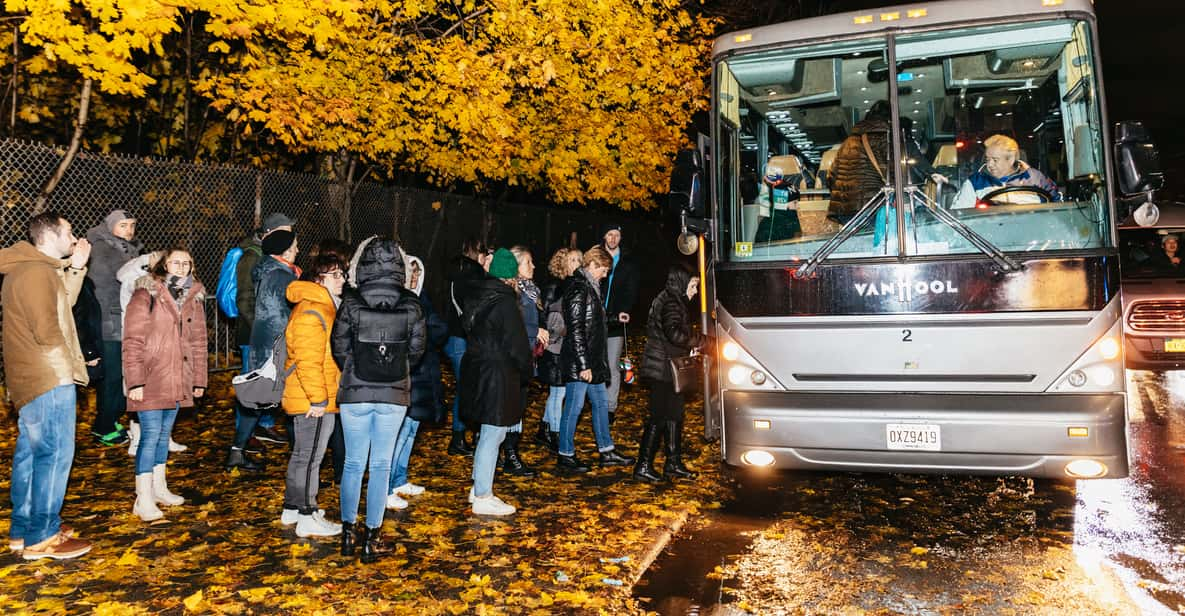
Three ways in, and each one changes the evening. The easiest is a heated round-trip coach, which is why tours like the NYC: Dyker Heights Christmas Lights Bus Tour & Skyline Stop run four hours out of Midtown with a guide, a bathroom stop, and a skyline photo stop on the way home.
The bus handles the navigation, the cold, and the scheduling; you trade spontaneity for it.
The subway is the budget route. The R train to 86th Street or the D train to 79th Street runs about 45 minutes to an hour from Midtown, then comes the part people underestimate: a 15-to-20-minute walk, close to a mile, uphill through dark residential streets.
It is a safe walk, busy with other visitors, but it is cold, and the return ride means an app car because yellow cabs rarely cruise these blocks.
The weekend X28 express bus drops within a few minutes' walk of the displays if you want transit without the long walk.
Driving yourself is the trap on the good nights. Several decorated blocks close to through traffic, police move cars along, and parking on 13th or 14th Avenue is nearly impossible at peak. The coach wins on warmth, and it books out about two weeks ahead in December.
Read that last row twice before choosing to drive. On a quiet early-December Tuesday the car works fine; on a Saturday in mid-December it costs you the best houses while you circle for a space.

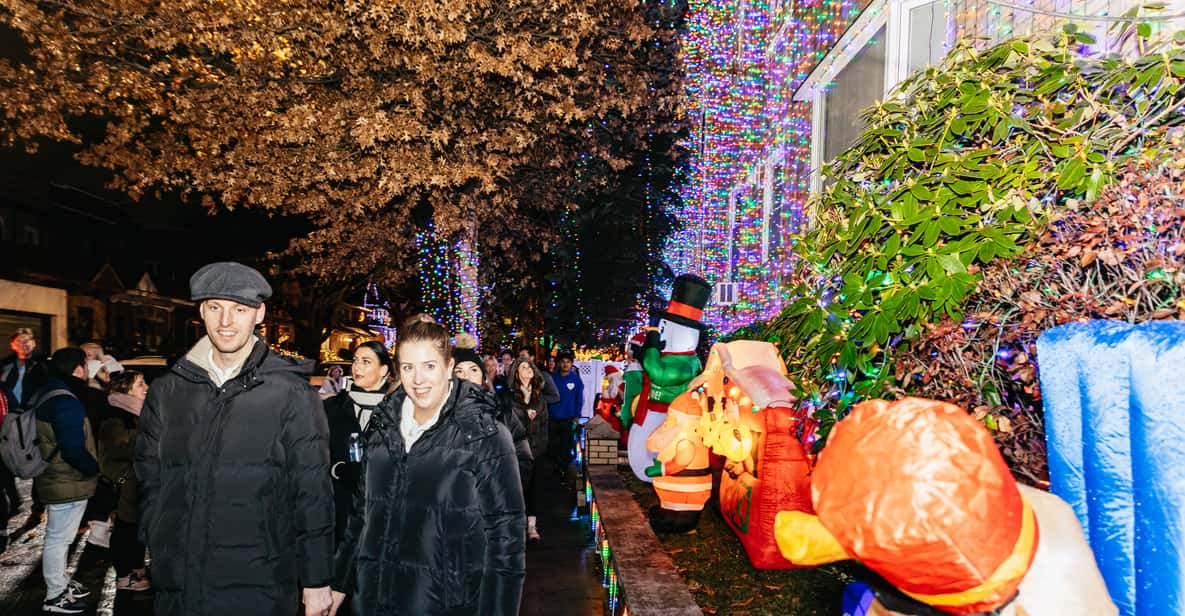
Honest answer: no, and the guides say so themselves. The lights sit on public residential streets, free to anyone with a map and warm boots. What a guide buys you is the half-dozen houses actually worth the trip, plus the stories.
A walking tour like the Brooklyn: Dyker Heights Walking Tour of Top Christmas Lights meets near the subway in Bay Ridge, then walks you straight to the best displays while explaining the unwritten neighborhood codes and the story behind Lucy Spata's house.
The trade-offs are real. The guided version runs 1.5 hours at a brisk pace through roughly 3 miles of blocks, in the cold the whole time, and the operators themselves say it does not suit young children or slow walkers.
Going alone costs nothing but subway fare and lets you linger at whatever house you like. Going with a tour like the Brooklyn: Dyker Heights Walking Tour means someone else has already found the houses worth crossing town for.
That row is the whole decision. Pay for the guide when you want the story and the shortcut to the best blocks; save it and walk your own map when you want to linger.
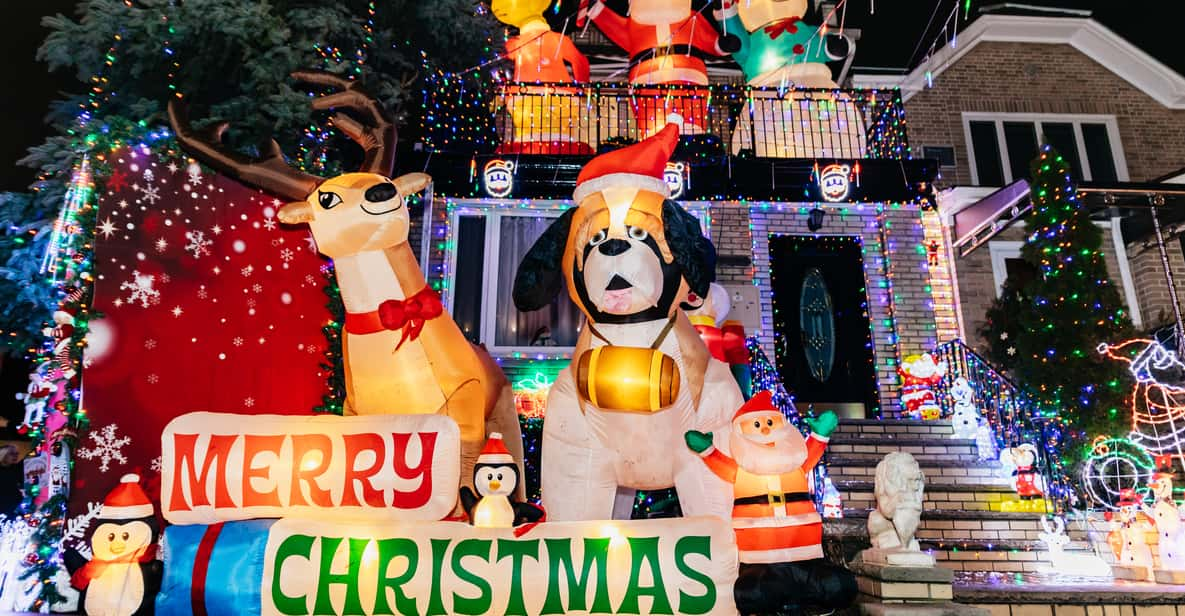
December nights in Brooklyn sit between 25 and 40 degrees, with wind on the open blocks, and you will be standing and walking in it for an hour or more.
Dress for it like you mean it: thermal base layers, an insulated coat, a knit hat, gloves, a scarf, and flat weather-resistant shoes or winter boots with thick wool socks against the cold pavement.
Plan the bathroom before you arrive, because the display blocks have none.
Public restrooms sit back in Bay Ridge along 4th Avenue and 86th Street, the Dyker Heights library branch at 13th Avenue and 82nd Street is the closest warm indoor stop, and Tasty Pastry on 13th Avenue pours hot drinks until 8 pm on Saturdays.
Hot chocolate exists on the blocks. Residents sell it from stands outside their homes, and it beats the trucks, which regulars say charge a lot for a mediocre cup. A thermos from your hotel is the local move.
And for the photos: cold drains phone batteries fast, so keep a power bank in an inside pocket, turn off Night Mode when handholding, and shoot during the blue hour just after sunset for the best balance.
The layering list above is worth one more read before you leave the hotel, because there is no shop on the blocks and no door to warm up in once you are standing in front of the houses.

Yes, and it costs one subway stop. The F train from Midtown reaches York Street in under 20 minutes, dropping you beside the Manhattan Bridge Archway, where massive animated holiday projections play nightly on the bridge, the BQE wall, and building facades from 4 pm to 11 pm.
Sidewalk trees glow in twinkle lights, a holiday tree stands in the Archway plaza with a mailbox for letters to Santa, and the Brooklyn Flea runs a weekend market underneath with mulled wine and gifts.
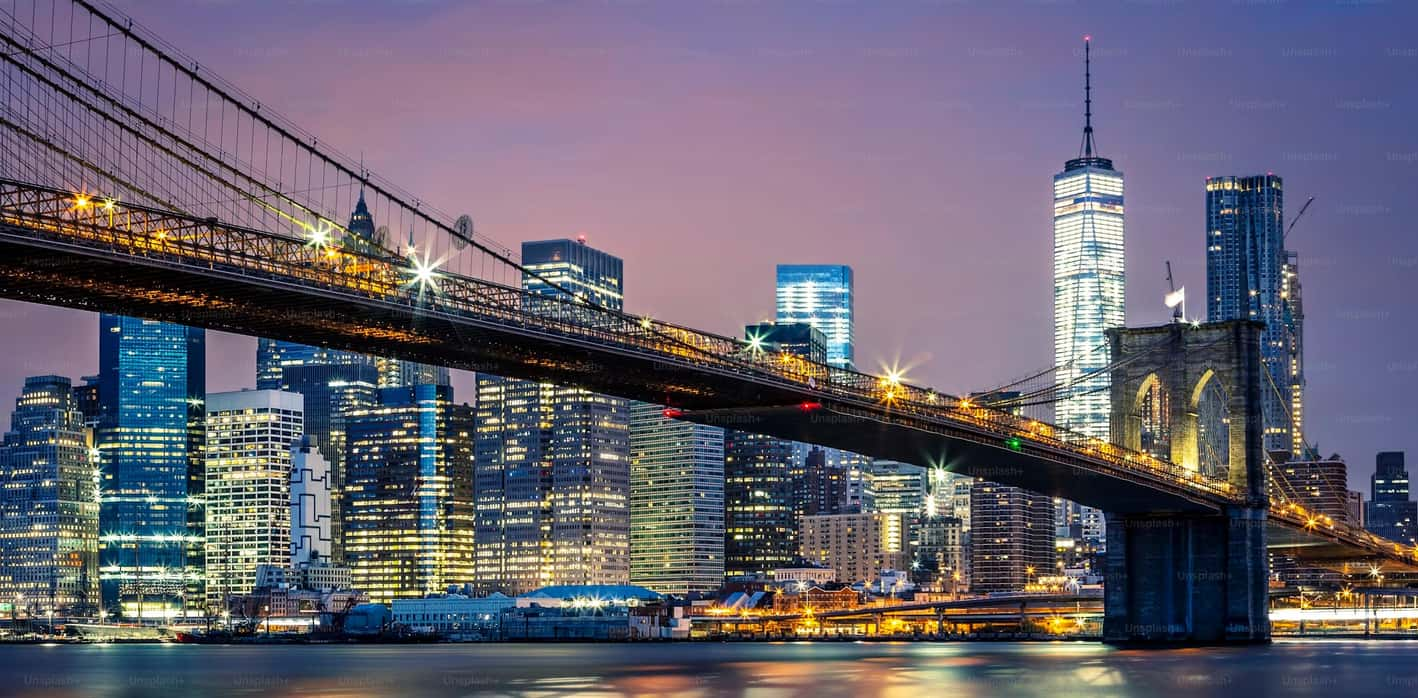
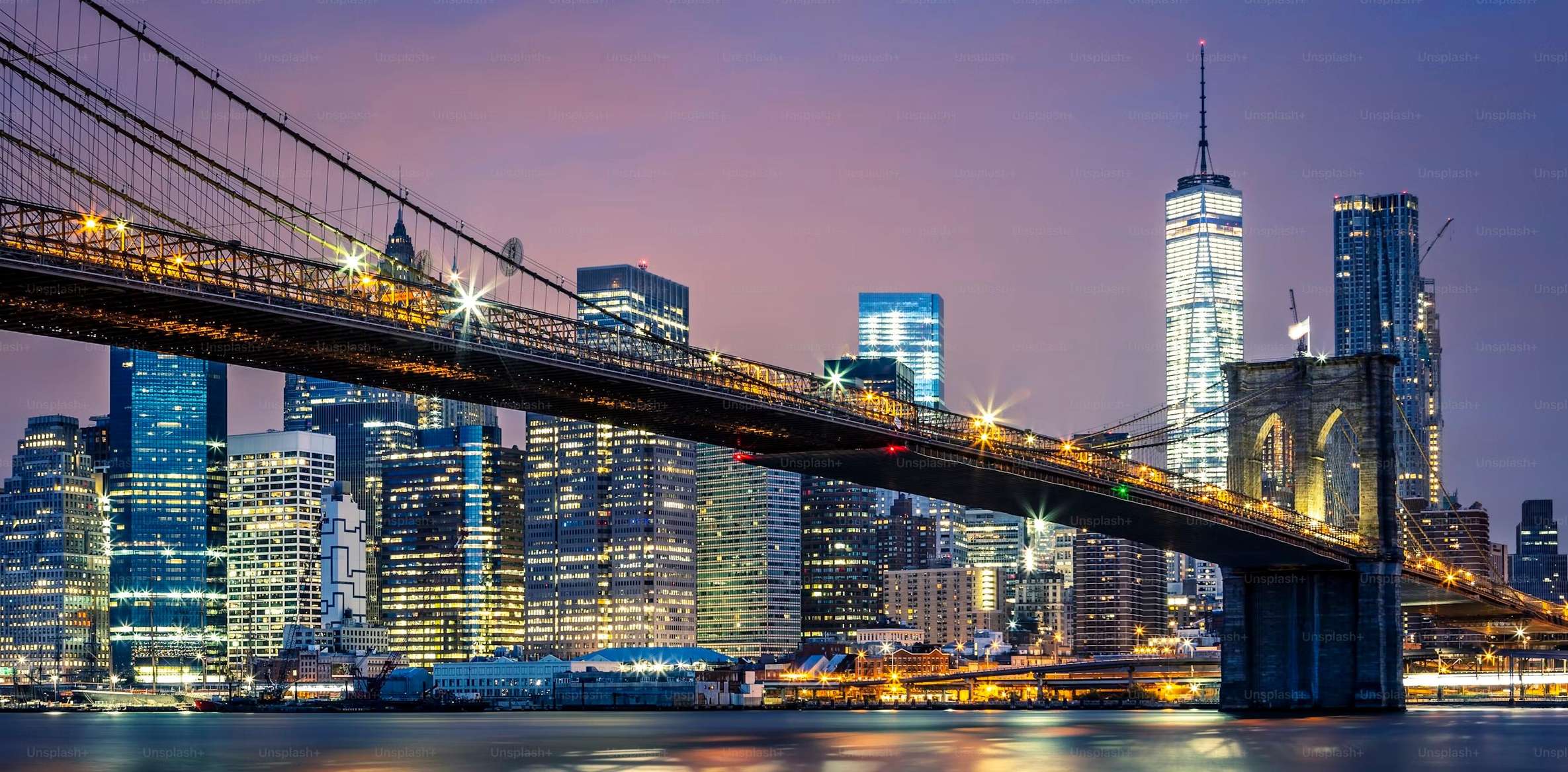
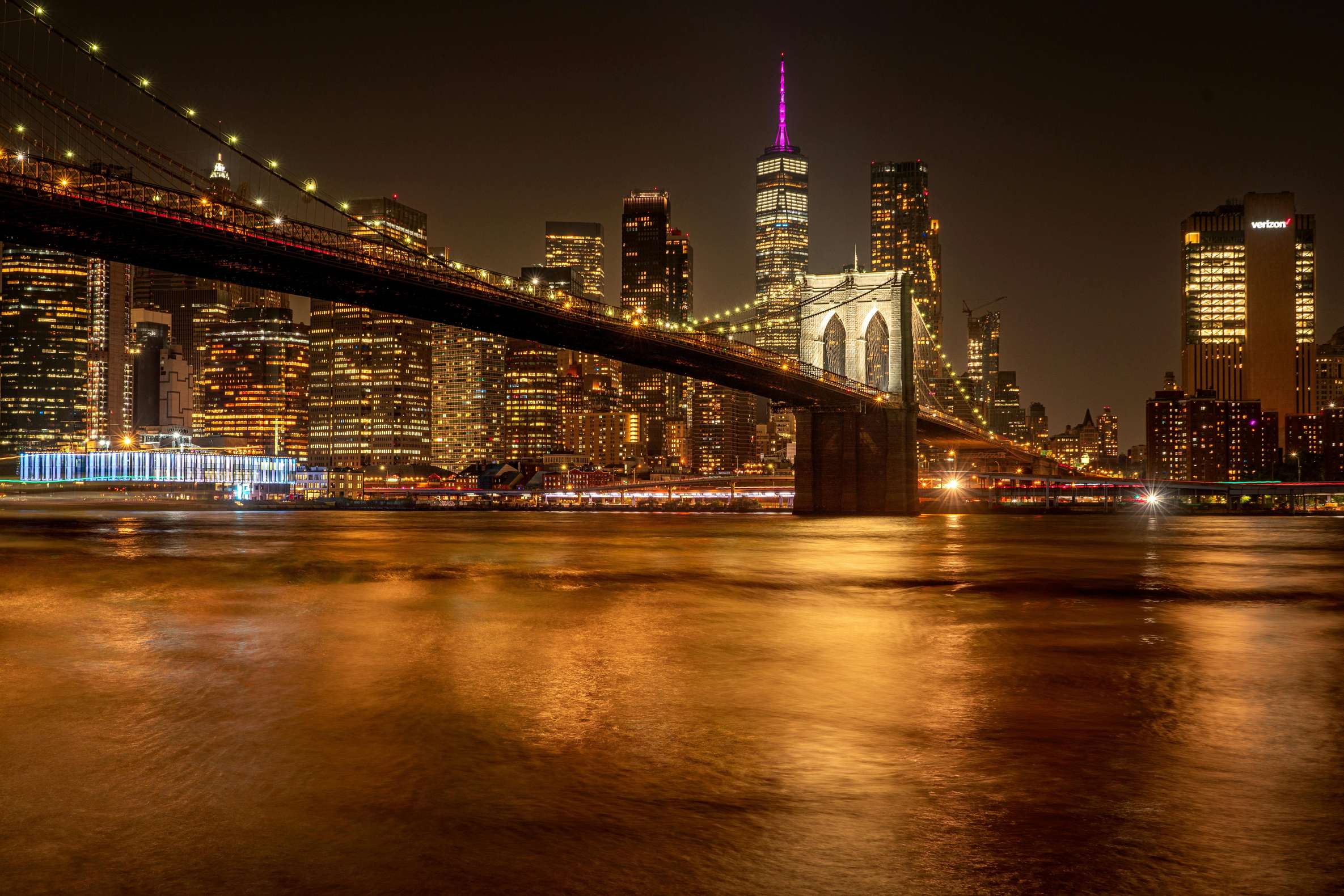
The real backdrop is free and enormous: Brooklyn Bridge Park does almost no decorating, because the lit Manhattan skyline and the two bridges across the river are the display. Weekday evenings are the quiet ones.
Two things to respect: the cobblestones on Water, Main, and Front Streets are uneven and slippery when wet, and the wind off the East River makes the waterfront feel sharper than the thermometer says.
When the cold wins, heated cafes sit steps from the Archway, including a chocolate shop on Water Street for proper hot cocoa.
Most Dyker Heights bus tours finish here or at the park for the skyline photo, which is the pairing that works. DUMBO pairs with Dyker Heights best on a tour that does the driving; on your own, make it a separate evening.
The garden's winter trail is the ticketed option on this list, and it works differently from everything else here.
Lightscape runs a one-mile walk-through path of light installations from November 20 to January 3, and it controls its own crowds: you pick a 15-minute entry window when you buy, and capacity is capped so the path never packs tight.
An Anytime Entry ticket skips the fixed window if you want flexibility on a chosen night.
This is the option for anyone the residential sidewalks defeat. The trail is flat and fully accessible for wheelchairs and strollers, and wheelchairs can be borrowed at the entrance with a photo ID. Sensory-friendly early entry runs at 4 pm on a couple of December dates for visitors who need a calmer room.
One logistics note: no subway line stops at the garden itself, so budget the last walk from the nearest station. It is a designed, curated evening, and the timed ticket is the thing that can stop the visit.
Walking up without a timed ticket on a December weekend Entry windows sell out; buy your 15-minute slot online before the evening, or pick a weeknight
Treat the garden night as its own outing with its own booking, the way you would a show. The street lights wait for no one; this one at least tells you in advance when to show up.
Budget four hours for the trip from Manhattan, with slack for traffic.
A tour like the NYC: Christmas Lights Sightseeing Tour, Dyker Heights, and Dumbo fills those hours in a fixed shape: pickup in Midtown, commentary on the drive out, arrival as the displays switch on at dusk, then 45 to 60 minutes on foot through the core blocks before reboarding the warm coach.
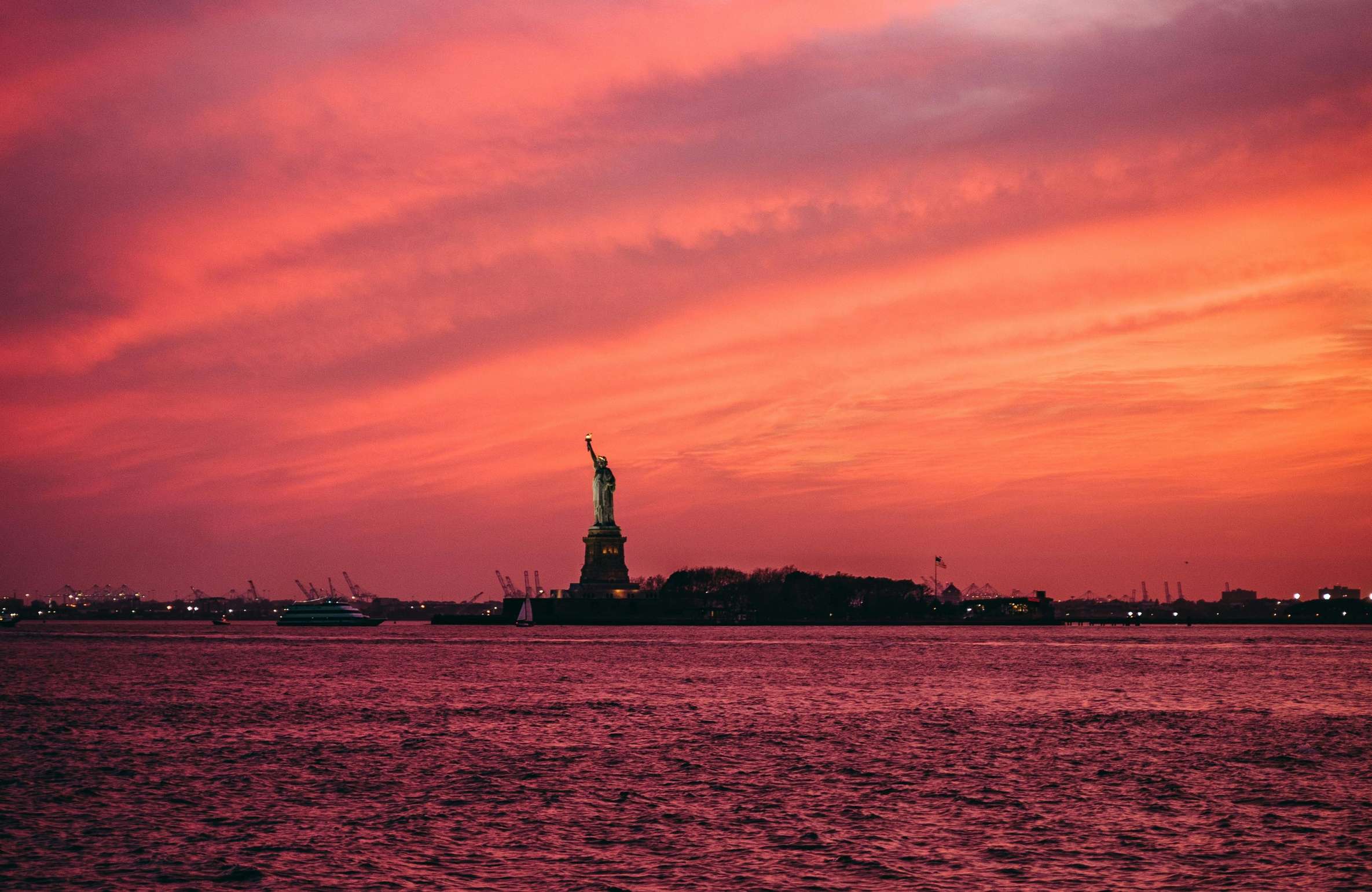
Most itineraries add the skyline on the way home, a photo stop at Brooklyn Bridge Park or DUMBO with the lit Manhattan skyline and the Brooklyn Bridge across the water. Back in Midtown by late evening, which leaves the Bryant Park winter market or a late dinner as an optional tail.
The lights themselves are weatherproof. Displays stay illuminated in rain and snow, and the tours run rain, shine, or snow, cancelling only for genuinely severe weather; most tickets refund fully if you cancel 24 hours ahead.
The walking hour is the part that defines the night, so the layers from earlier in this guide are not optional. The bus never shows you the houses; every good tour ends on foot.
The full arc, from hotel door to hotel door:
Guides tell New York stories on the drive out
Roughly 45 to 60 minutes on foot through the core blocks
The houses cannot be seen from the bus, so the walk comes first
Panoramic views of the Manhattan skyline and Brooklyn Bridge
About four hours door to door, longer in December traffic
Picture that last row honestly: a little after 10 pm, warm again, with the best photos already on your phone. That is the version of the night that works, and it holds together only if the walking hour happens at dusk.
Bay Ridge turns the outing into a full evening. The neighborhood sits between the subway and the lights, and locals pair the walk with dinner at Skinflint's pub, which keeps its own classic indoor holiday decorations up all season, or at Tanoreen and Lioni's for a sit-down meal before or after the blocks.
Eating in Bay Ridge also solves the restroom problem an hour before it becomes one.
For one more skyline angle, end on the Brooklyn Bridge walkway: join the elevated promenade from Centre Street near the Brooklyn Bridge, City Hall station, and the path hands you views of the skyline, downtown Brooklyn, and the East River the whole way across. The walkway is the free finale to an already full evening.
And the borough rewards a second visit. Mill Basin's robotic waterfront mansions and the animated house at Flatlands Avenue and East 93rd Street sit outside the walking-tour radius but make a destination of their own on a quieter night.
December fills every option at once, so a second trip in early January, when the lights still burn and the crowds have gone home, is the version regulars come back for.
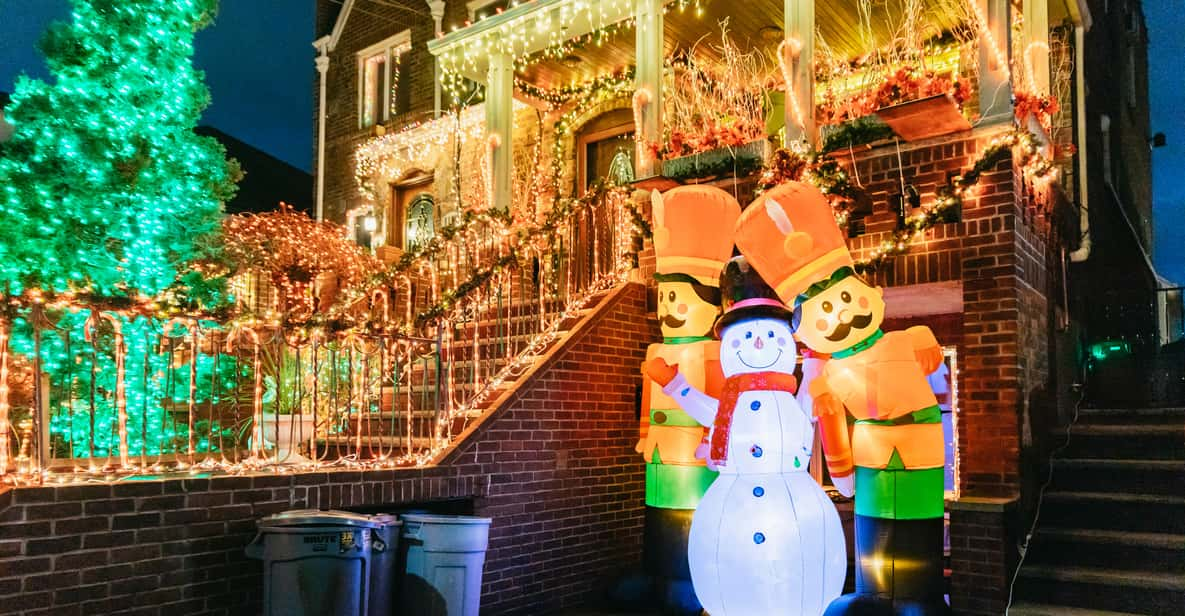
Brooklyn's house lights earn the trip, and Dyker Heights is the night to plan around. Go at dusk on a midweek evening, dress for standing still in freezing air, and let a heated tour or a good map carry the logistics.
Skip it only if walking an hour in the cold is off the table; the garden trail is the seated-back alternative.
The big tree lights up the Wednesday after Thanksgiving, and the switch flips close to 10 pm.
Read the guide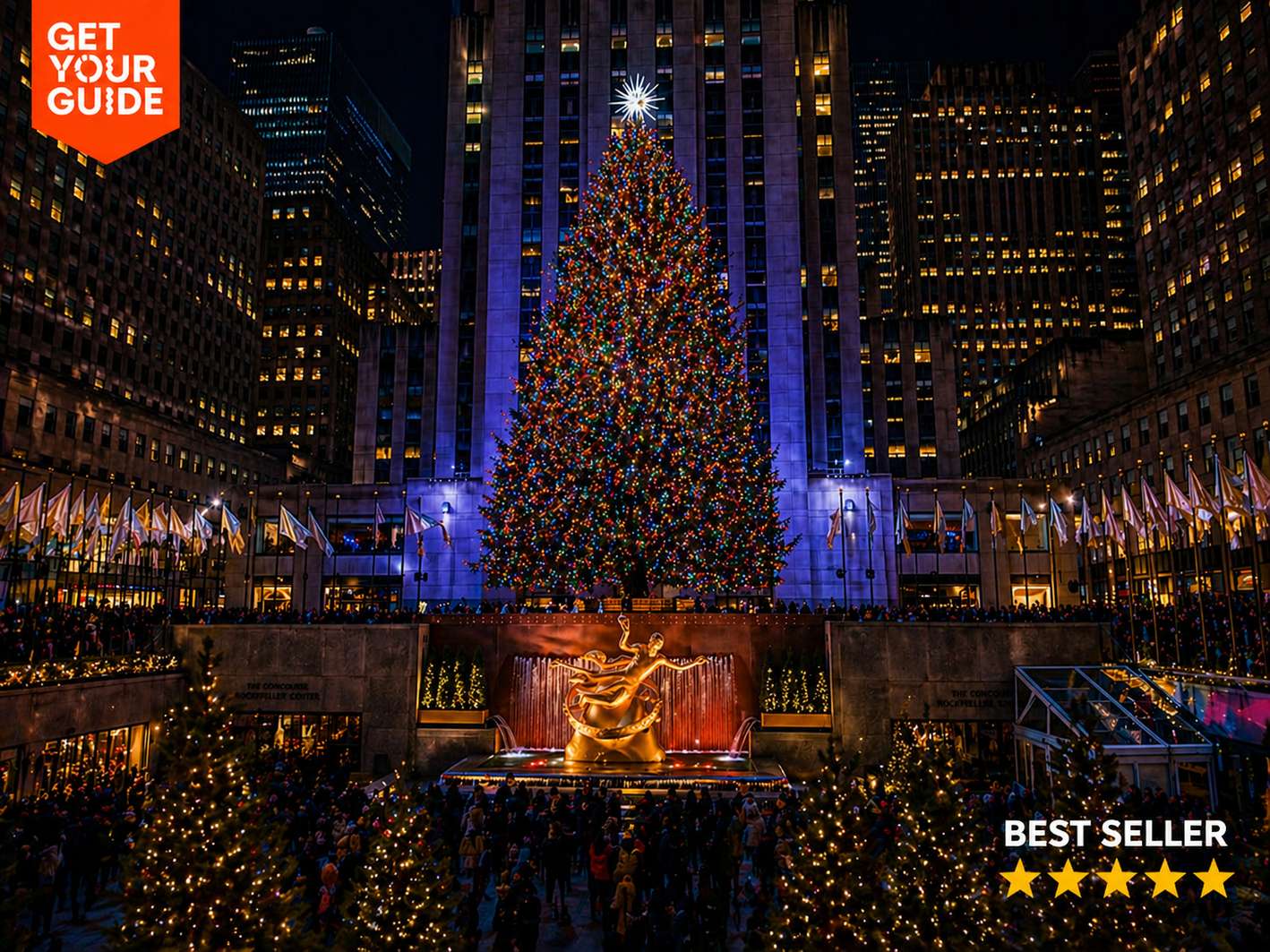
Store windows and a building-size light show run nightly from late afternoon to around 10 pm or later.
Read the guide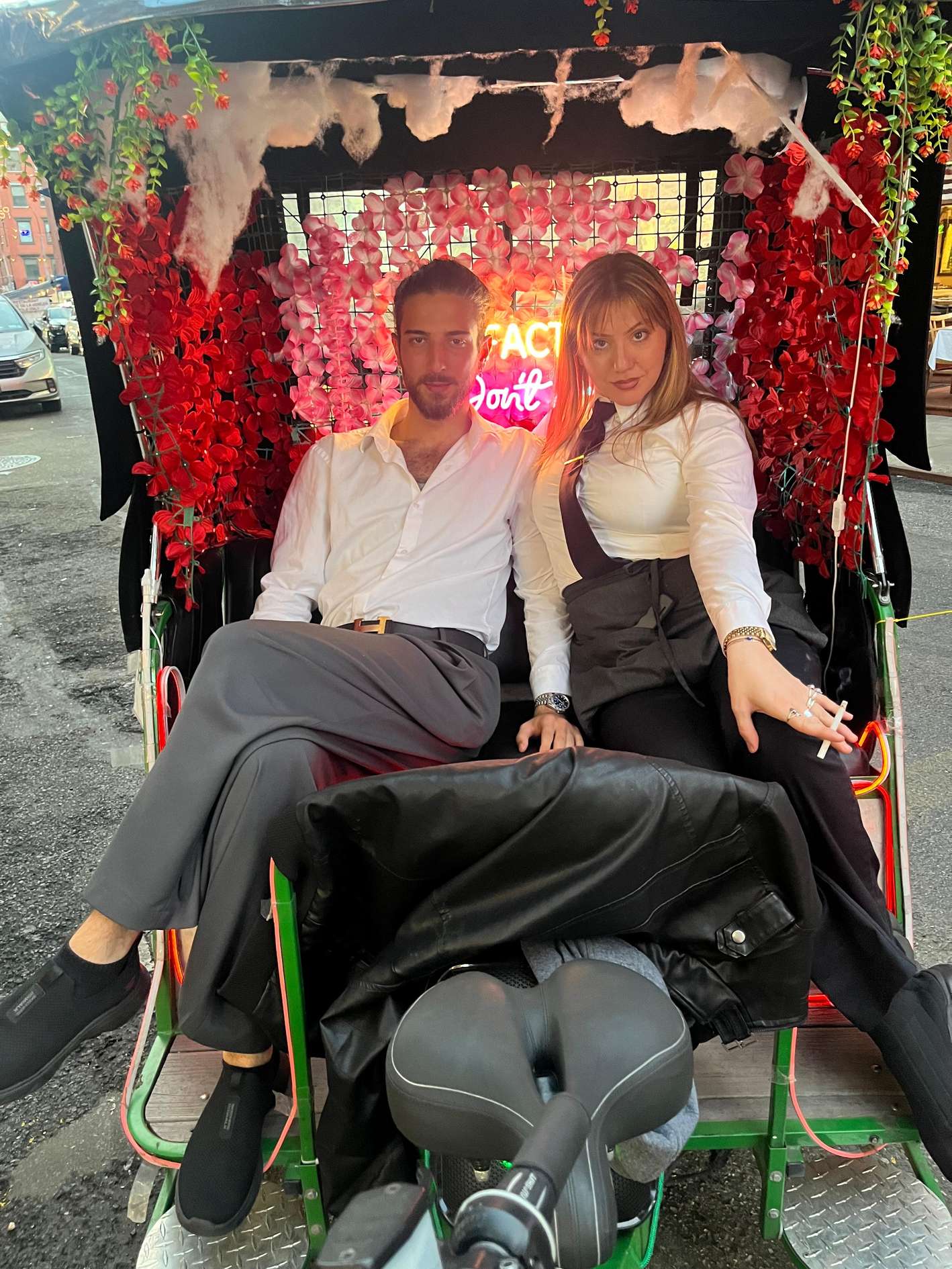
The park glows by accents: a rink, a flotilla of lit trees on a lake, and skyline views, seen best from a carriage.
Read the guideGuided walks cover Midtown windows and markets, or the Dyker Heights houses on foot, 2 to 3 miles at a time.
Read the guideDrive-through courses at regional stadiums and parks take about 30 minutes, with music synced to your car radio.
Read the guideBrooklyn's houses are one choice in a season full of them. Here is how the other famous light nights differ, so you can split your trip with a clear head.
One night a year the city's most famous tree gets its switch flipped on live television.
The tree goes dark all season until one evening in early December. On ceremony night the switch flips close to 10 pm, streets around the plaza close to cars, and security checkpoints slow every arrival. People who want a spot wait there for hours beforehand.
The simpler play is any other night. Once the ceremony is done, the tree glows daily from 5 am to midnight, and a weekday morning around 5 am shows it with the plaza nearly empty.
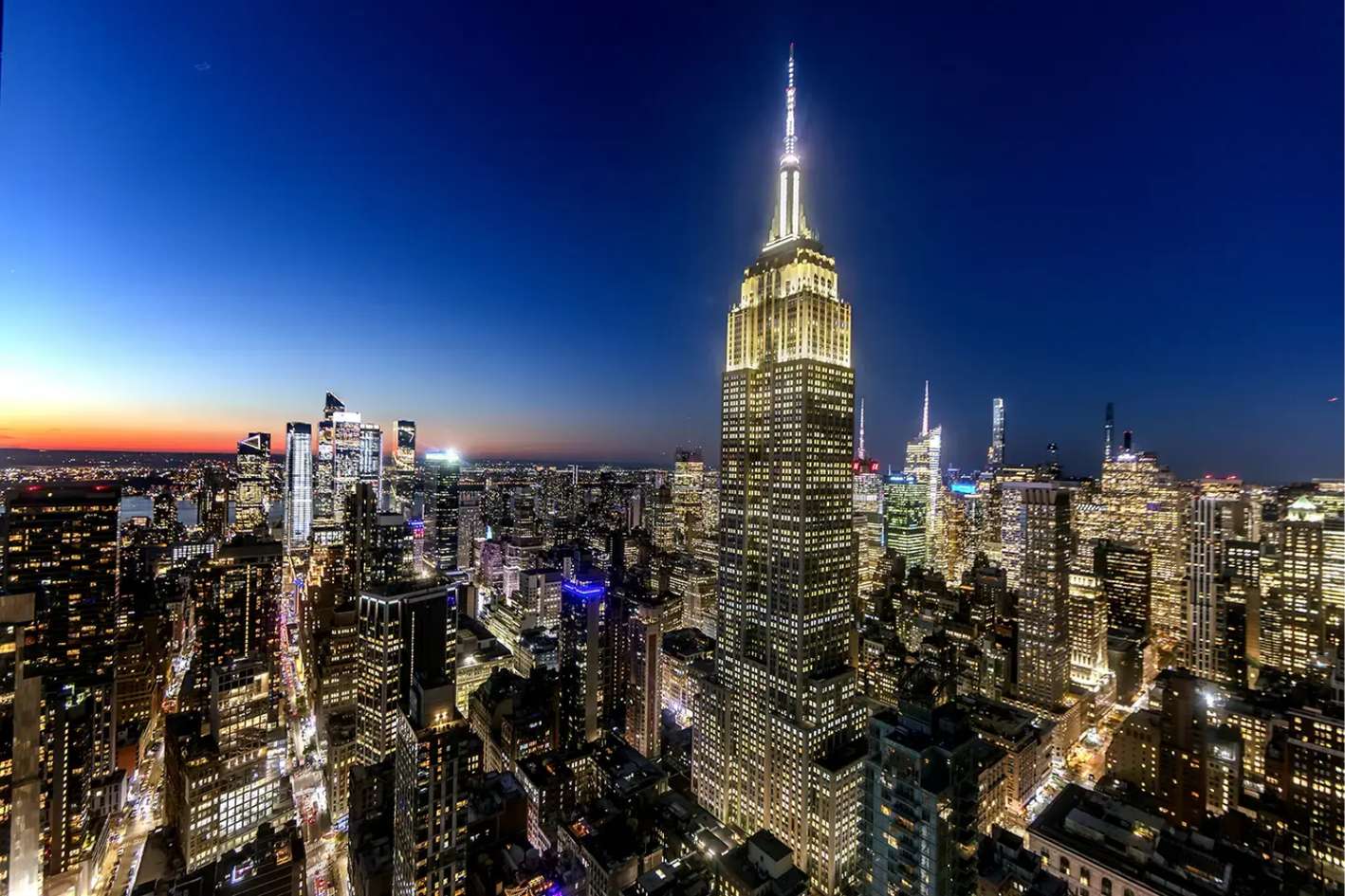
A facade-wide light show that replays every 10 to 15 minutes until late in the evening.
The department store on Fifth Avenue projects its light show high up the facade, so sidewalk crowds cannot block it. The cycle lasts a few minutes and replays every 10 to 15 minutes from around 4:30 pm until 10 pm or later on some nights.
For the ground-floor windows up close, go on a weekday morning, before the sidewalks jam. After 9:30 pm the crowds thin out too, and the facade show is still running.
A seated, blanket-on-your-lap ride past movie spots and the rink, with the skyline behind.
Central Park has no canopy of string lights. Its holiday charm comes in smaller pieces: the illuminated rink on the south edge, a flotilla of lit trees floating on the Harlem Meer, and the Midtown skyline glowing over the treetops.
A carriage ride or a pedicab keeps you off the crowded sidewalks. Both are regulated: carriages stop working when the temperature drops to 18 degrees Fahrenheit, and a pedicab takes three passengers with a combined weight limit.
Book a departure between 3:30 and 4 pm to get daylight on the landmarks and the city lights as dusk falls.
Street-level tours that put you right at the displays, camera at eye height.

A bus window hides the Dyker Heights houses completely, so every good tour ends on foot. A dedicated walking tour goes further: 2 to 3 miles through the decorated blocks, with a guide who knows which homes matter, including the house that started the tradition in the 1980s.
Know the cost in cold. You stay outside up to 3 hours in temperatures between 25 and 40 degrees, walking at a brisk pace, and the guides themselves say the route does not suit young children. Most homeowners switch their displays off between 9 and 10 pm, so book an early evening start.
3 hours · ★ 5.0 (3)Dyker Heights: Walking Tour of Thousands of Holiday LightsFrom $47 4.5 - 5 hours · ★ 4.7 (40)New York City: Dyker Heights Christmas Walking TourFrom $45 4 hours · ★ 4.7 (1,203)NYC: Dyker Heights Christmas Lights & Skyline View Bus TourFrom $69  3.5 hours · ★ 4.6 (29)NYC | French guided tour of Christmas in BrooklynFrom $79
Miles of animated LED scenes viewed entirely from inside your own warm car.
If your image of holiday lights is a slow drive past glowing tunnels and dancing penguins, that exists, and it sits outside the city at fairgrounds, a stadium, and a state park. The courses run about 30 minutes, some broadcast synchronized music through your radio, and everyone stays inside the vehicle the whole time.
Do not try this in Brooklyn. Dyker Heights closes several decorated blocks to through cars, police move drivers along, and street parking on the good nights is scarce.
A heated bus tour from Manhattan gets you the residential spectacle with none of the driving, and the drive-through parks wait for a day when you rent a car.
Planning lights beyond Brooklyn? This guide maps the top spots to see Christmas lights across New York City.
Get the exact date and evening schedule for the Rockefeller Center tree lighting so you can plan your nights.
Fifth Avenue's store windows and light shows pair well with a Dyker Heights trip. Here is how to see both.
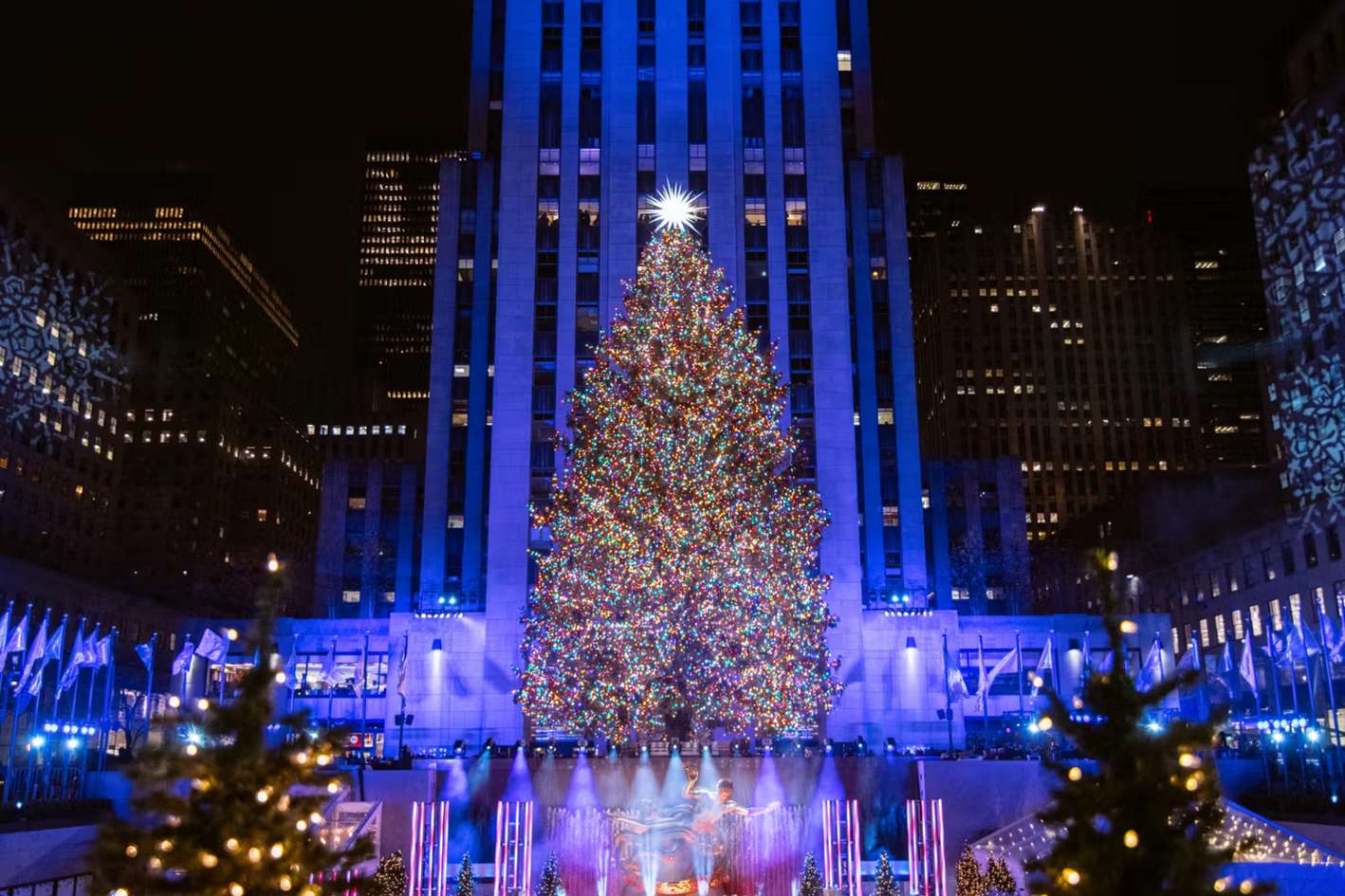
See Central Park glowing from a horse-drawn carriage, with tips on what to wear and when to book a ride.
Prefer to walk? This tour guide covers holiday windows and markets you can see on foot in Manhattan.
Want to stay warm? Drive-through light shows near the city let you enjoy millions of lights from your car.
Short answers to what people ask before heading to the houses.
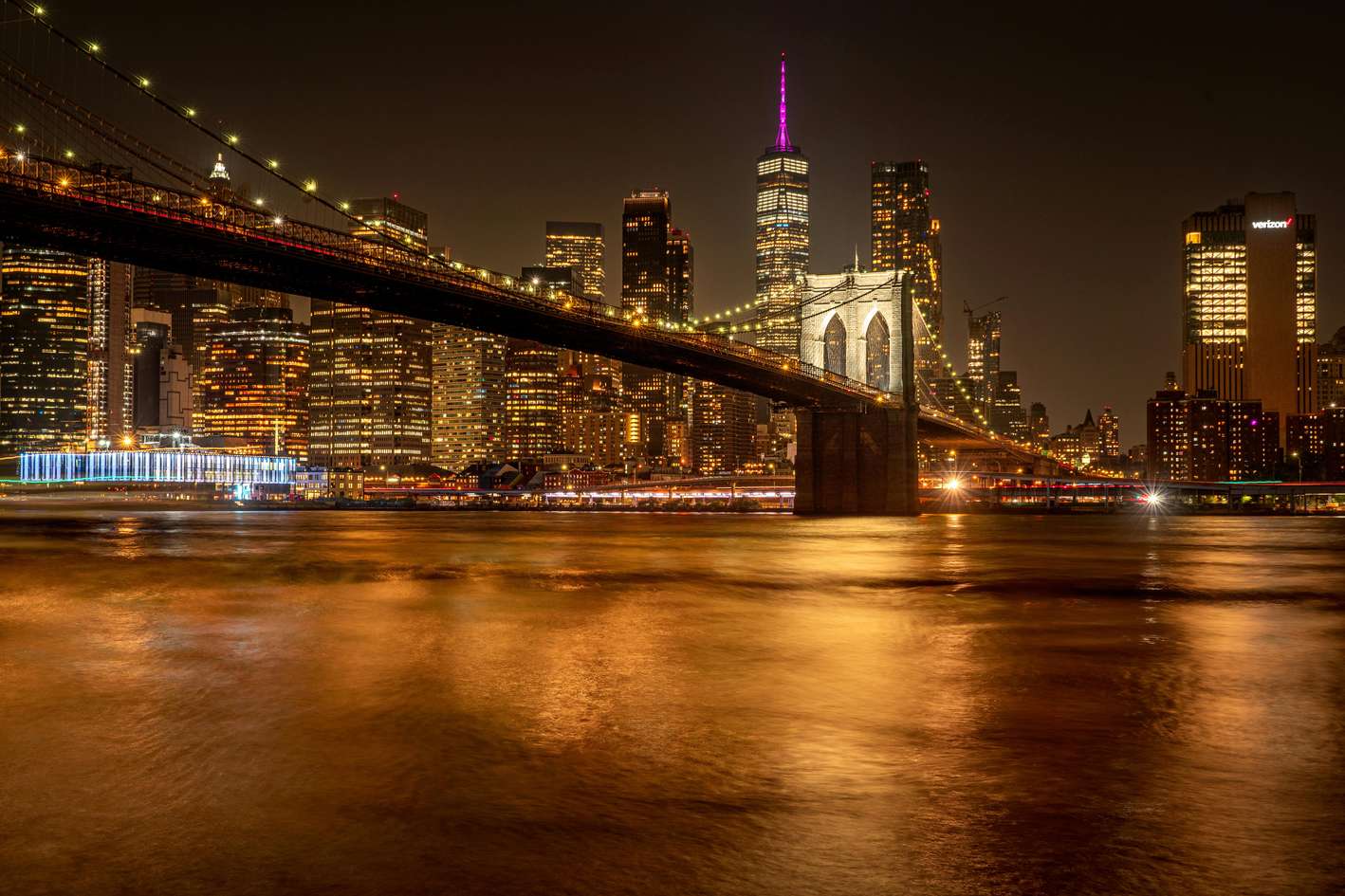 New York City2026
Dyker Heights, in South Brooklyn, holds the borough's most famous displays on private houses. Mill Basin has waterfront mansions with robotic, music-synced lights, and Bay Ridge runs its own residential displays along Narrows Avenue and Ridge Boulevard.
The core blocks sit between 11th and 13th Avenues from 83rd to 86th Streets. Lucy Spata's home and Florence Polizzotto's display face each other on 84th Street.
Yes, the lights sit on public residential streets and cost nothing to walk past. Some homeowners set out donation boxes or QR codes for charity.
There is no official date, since homeowners decorate on their own. Displays reliably launch the weekend right after Thanksgiving.
Dusk between 4:30 pm and 6 pm is the calmest window, right as the displays switch on. Crowds peak between 5 pm and 9 pm on weekend nights.
Most homeowners start switching off between 9 pm and 10 pm as their timers expire. After 9 pm the sidewalks thin out, but the best houses go dark block by block.
You can reach Dyker Heights on your own by subway and walk the blocks for free. A guided tour handles the navigation and drops you near the decorated homes, which helps on freezing nights.
The D train to 79th Street and the R train to 86th Street both connect Manhattan to the neighborhood, followed by a 15-to-20-minute walk. An organized round-trip bus tour skips the transfers and the cold walk entirely.
Evenings drop between 25 and 40 degrees Fahrenheit with wind while you stand around. Wear a thermal base layer, an insulated coat, a hat, gloves, and flat waterproof shoes with thick socks.
The displays stay lit in rain and snow, and tours run rain, shine, or snow. Only extreme weather cancels them, so pick a date and book ahead with a backup in mind.
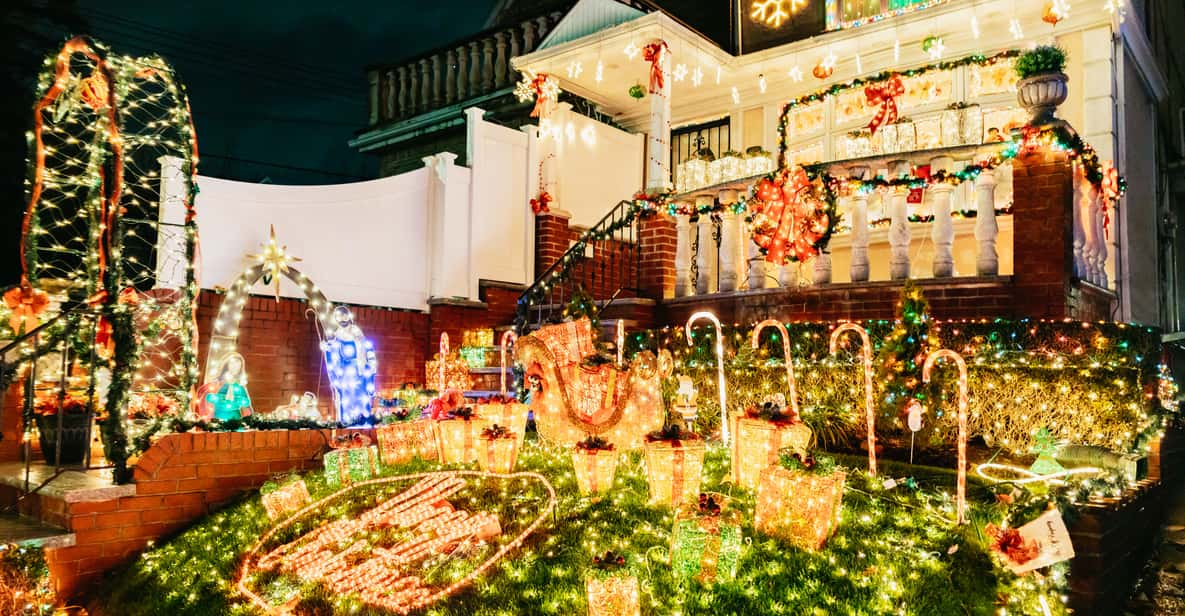
Ride from Midtown to the glowing Dyker Heights houses and finish with a photo stop at Brooklyn Bridge Park, and cancel free up to 24 hours ahead if plans change.